How Much Does Radon Mitigation Cost in Connecticut?
Getting an elevated radon test result can feel like a lot to take in, especially when you're not sure what comes next. Radon mitigation is likely your next step, and it's completely normal to wonder what it's going to cost before you call a contractor. The price isn't the same for every home, and several factors specific to your property will shape the final number. Understanding those factors is the best way to feel prepared and confident going into the process.
Connecticut homeowners are no strangers to radon concerns, largely due to the state's granite-rich bedrock, which creates conditions where radon can accumulate at higher-than-average levels. Radon is a naturally occurring radioactive gas that seeps up from the ground, and according to the US Environmental Protection Agency (EPA), long-term exposure is the second leading cause of lung cancer in the United States. Mitigation is the right move for your family's safety, and in my experience, homeowners feel a lot more confident going into it when they understand what shapes the cost.
A few key factors influence what you'll pay for a radon mitigation system:
- Foundation type and complexity
- Radon concentration levels and soil permeability
- Interior vs. exterior pipe routing
- Electrical work requirements
- Post-mitigation radon testing
- Hiring a licensed radon contractor vs. DIY
Each of these factors can meaningfully affect your final quote, so let's take a closer look at each on
Foundation Type and Complexity
Your home's foundation type is one of the most significant factors in determining the scope of a radon mitigation job. A standard poured concrete basement is generally the most straightforward to work with, while crawl spaces, slab-on-grade foundations, and mixed foundation types each come with added complexity. More complex foundations often require additional suction points, longer pipe runs, and more labor hours to get a system properly installed.
Homes with multiple foundation types are especially common in older Connecticut neighborhoods, and they often require a customized approach. A crawl space, for example, may need a sealed vapor barrier installed in addition to the mitigation system itself. Every additional step adds to the total cost, but it also ensures the system performs the way it's supposed to.
Every home has a unique foundation layout, and a properly designed system has to account for that, not just the square footage. I've seen smaller homes cost more to mitigate than larger ones simply because of a more complicated foundation. When you get a quote, make sure the contractor does a thorough walk-through of your home's foundation before giving you a number.
Radon Concentration Levels and Soil Permeability
The severity of your radon readings directly influences what kind of system and fan your home will need. Homes with very high radon levels may require a more powerful fan or a more robust setup to bring concentrations below the EPA's recommended action level of 4 pCi/L. A standard fan may be sufficient for moderate levels, but a high-capacity fan designed for tougher conditions will cost more.
Soil permeability is another piece of the puzzle that often gets overlooked. Dense, compacted soils like clay make it harder for a system to draw radon from beneath the slab, sometimes requiring a more capable setup. In contrast, loose, porous soils like gravel or sand tend to be more cooperative with the system.
Your contractor should perform a diagnostic suction test before finalizing the system design. In my experience, two homes on the same street can have very different mitigation needs simply because of what's underneath the foundation. Skipping this diagnostic step is one of the most common mistakes I see, and it can lead to an underpowered system that doesn't do its job.
Interior vs. Exterior Pipe Routing
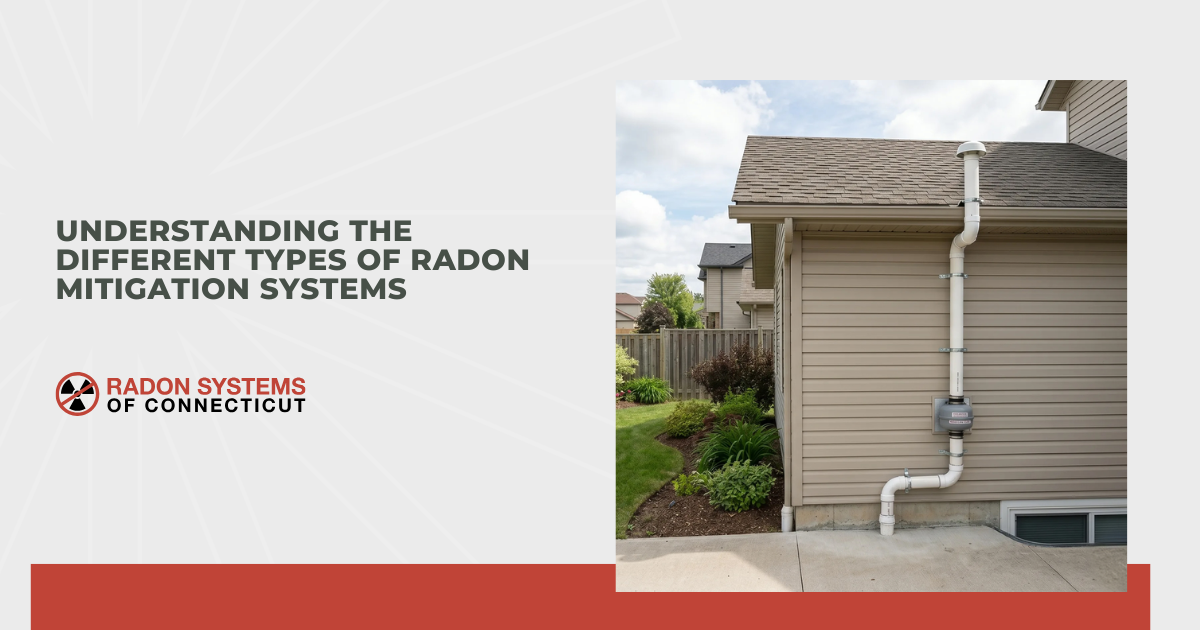
After a suction point is created beneath your slab, the mitigation pipe has to be routed out of the home, and you'll generally have two options: through the interior or along the exterior. Interior routing hides the pipe inside walls or through closets, giving your home a cleaner, more discreet appearance. It takes more time and precision to install, which typically means higher labor costs.
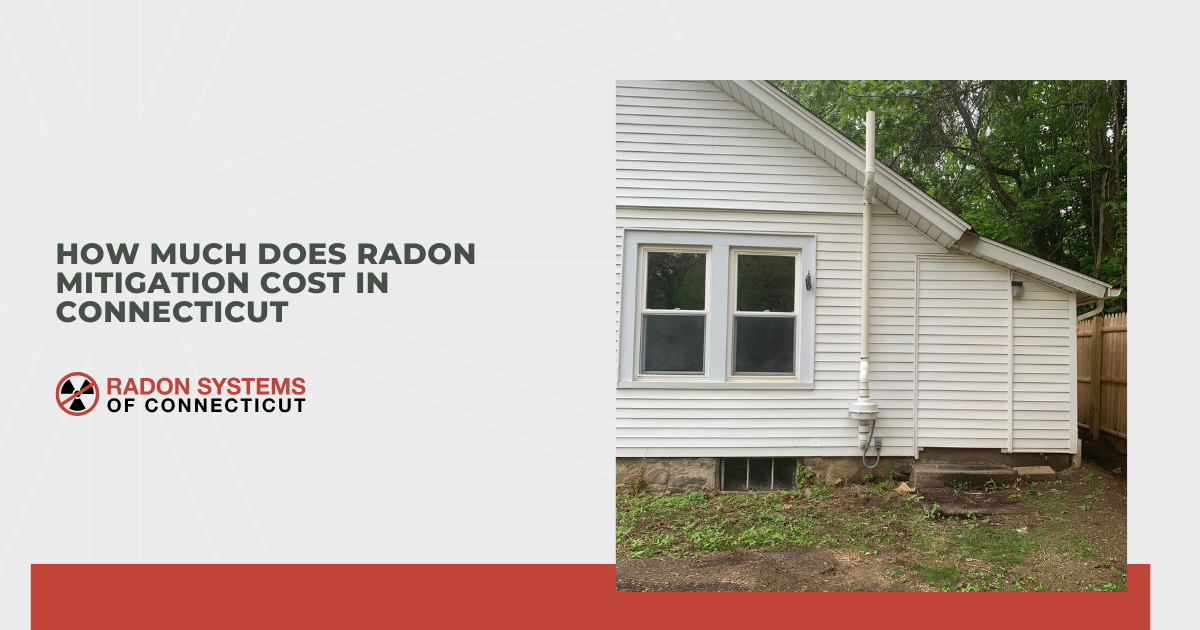
Exterior pipe routing runs the pipe along the outside of your home and exhausts it above the roofline. It's faster to install, which often makes it the more budget-friendly option. The trade-off is that the pipe will be visible on the outside of your home.
Many homeowners don't mind exterior routing at all, especially when the pipe is placed along a less prominent side of the house. If aesthetics are a priority for you, it's worth discussing interior routing with your contractor upfront. Either way, the most important thing is that the pipe exhausts radon safely away from your home's living spaces.
Electrical Work Requirements
Radon mitigation fans need a power source to operate, which means a dedicated electrical outlet needs to be accessible near the installation point. If your home already has an outlet in the right location, this won't add to your cost. But if one needs to be installed, you may need to factor in the cost of hiring a licensed electrician.
This is one of the most commonly overlooked costs in a radon mitigation project. Many homeowners receive their initial quote and are caught off guard when electrical work comes up during installation. Asking your contractor about electrical requirements upfront can help you avoid any surprises on your final invoice.
The cost of adding an outlet can vary depending on how accessible your electrical panel is and how much work is involved in running a new circuit. In some cases, a nearby existing outlet can be used, which keeps costs down. It's a straightforward conversation to have before the project begins, and a good contractor will bring it up without you having to ask.
Post-Mitigation Radon Testing
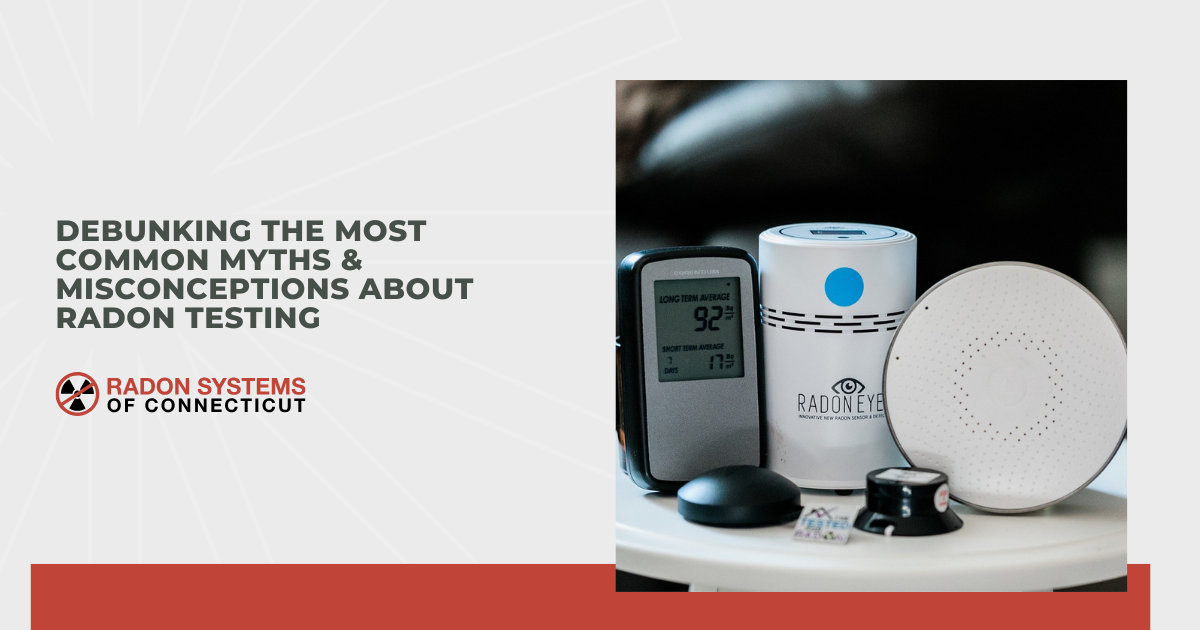
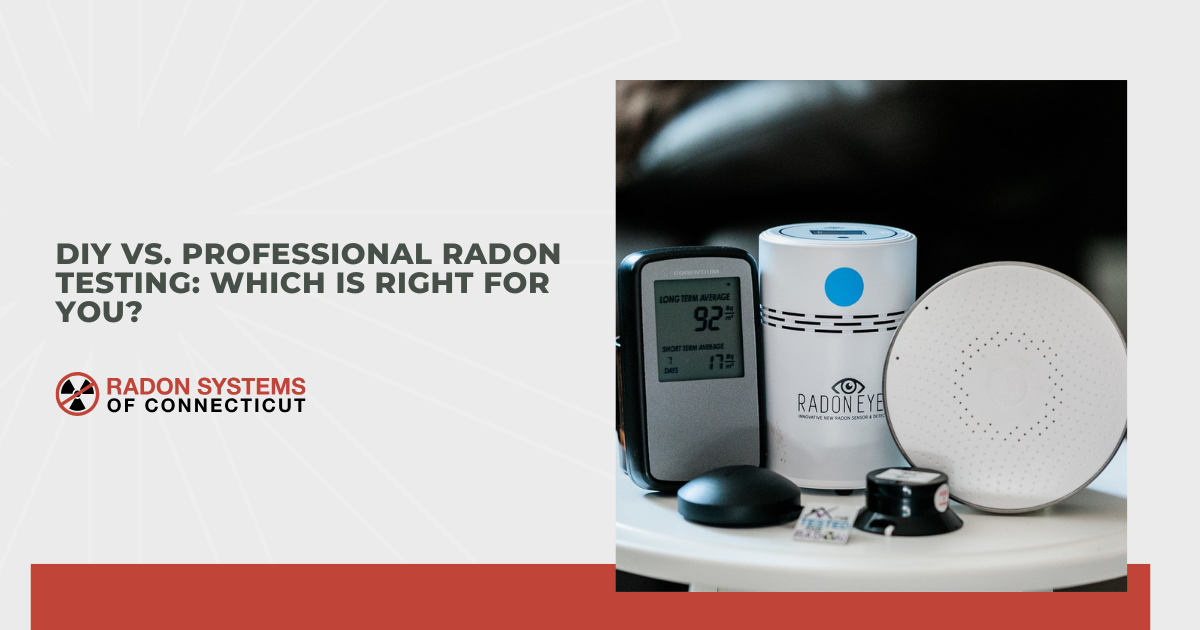
A radon mitigation system isn't considered complete until you've confirmed it's actually working. After installation, a follow-up radon test is necessary to verify your levels have dropped below the EPA's action level of 4 pCi/L. Without this step, you're essentially guessing at whether the system is doing its job.
Some contractors include post-mitigation testing in their installation quote, while others charge for it separately. It's worth asking about this before any work begins so there are no surprises on your final invoice. Either way, the cost of a follow-up test is a small price to pay for the peace of mind that your home is safe.
If levels are still elevated after the initial test, your contractor should be able to adjust the system to address the problem. I always include a follow-up test as part of our process because it's the only way to give homeowners the real confidence they're looking for. Don't skip this step; it's the most important part of the whole project.
Hiring a Licensed Radon Contractor vs. DIY
DIY radon mitigation kits are available, and they do cost less upfront. The problem is a system that's improperly designed or installed may not bring your radon levels down to a safe range, which means you've spent money and still have a problem to resolve. Radon mitigation involves working with your home's pressure dynamics, and without the right diagnostic tools, it's difficult to know if a DIY setup is truly effective.
In Connecticut, radon mitigation contractors are required to be licensed through the Connecticut Department of Energy and Environmental Protection (DEEP). Working with a certified professional means your system is designed to code, installed correctly, and typically backed by a warranty. It also means you'll have proper documentation of the work, which can be valuable if you ever decide to sell your home.
I always recommend getting at least two or three quotes from licensed contractors before committing to one. Comparing estimates helps you make sure you're getting a fair deal, but try not to make your decision on price alone. A contractor who's transparent, thorough, and willing to answer your questions is worth every penny.
Conclusion
Radon exposure is a serious health risk, but it's also a manageable one. Understanding what drives mitigation costs puts you in a much better position to ask the right questions, compare quotes, and make a decision that works for your home and your budget. Connecticut has no shortage of qualified, licensed contractors who can help you get your levels to a safe range. You've already taken the most important step by doing your research.