How to Choose the Right Radon Mitigation System for Your Home

Russell Monges • May 14, 2026
How to Choose the Right Radon Mitigation System for Your Home

I take radon levels in my home very seriously. As a parent, I feel a deep responsibility to keep my family safe, and that includes keeping the air we breathe clean. After testing our basement and discovering elevated radon, I knew I had to invest in a radon mitigation system. I learned you need to match the right option to a home’s specific structure, foundation type, and radon levels. 


Let’s walk through exactly how I chose the best radon mitigation system for us, and how you can, too:


  • Know your radon levels and home structure
  • Understand the main types of radon mitigation systems
  • Consider key factors when selecting a system
  • Evaluate installation and maintenance requirements
  • Hire a qualified radon mitigation professional

Here’s my step‑by‑step guide through the essential decisions: from decoding radon test results and home foundation types, to comparing mitigation system types, considering energy and noise factors, and selecting a certified installer. I promise you'll feel confident choosing a radon mitigation system for your specific home and keep your family safe.


Know Your Radon Levels and Home Structure

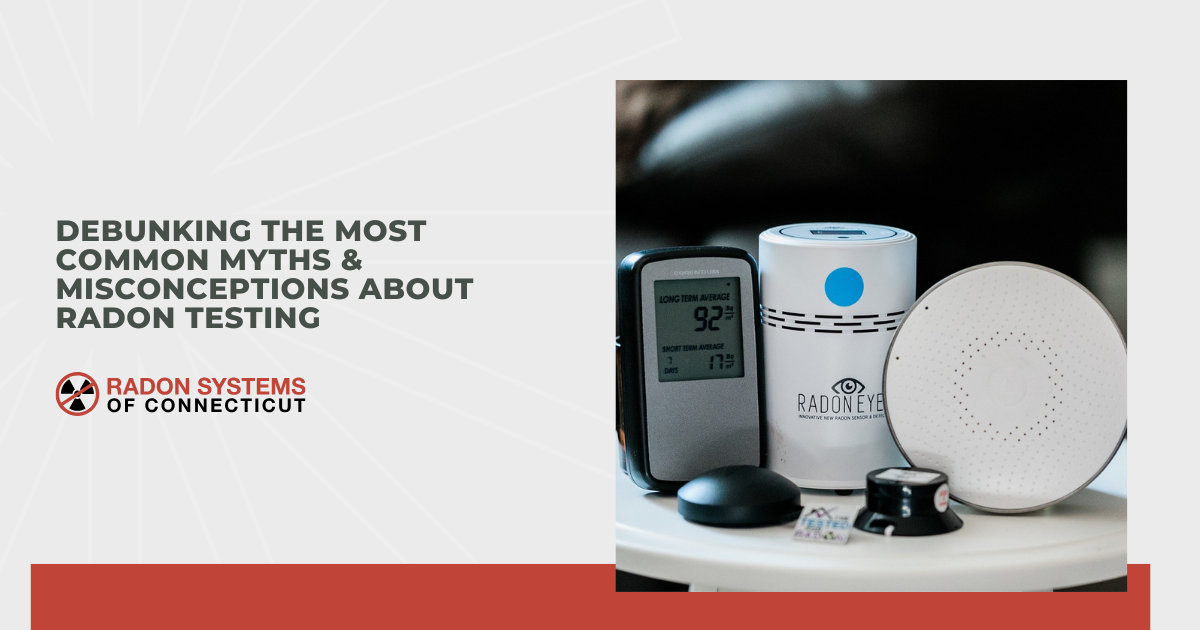
A proper radon test is the only way to know your baseline, and it directly informs what mitigation system you need. I ordered a long-term test kit, left it in my basement for 90 days, and felt a mix of anxiety and relief when the results finally came in. Here’s what to consider based on your foundation type:


  • Basement (Unfinished or Finished): Soil gas depressurization systems work best here. Concrete floors in basements are often porous, making radon entry likely.
  • Crawl Space: Homes with crawl spaces need encapsulation or crawl‑space ventilation systems to lower radon before it enters the living areas.
  • Slab-on-Grade: If your home sits on a concrete slab, soil‑pipe depressurization using piping through the slab is often the way to go

Understand the Main Types of Radon Mitigation Systems

Picking the best system for your home is easier if you know how each one works, and why it fits your scenario.


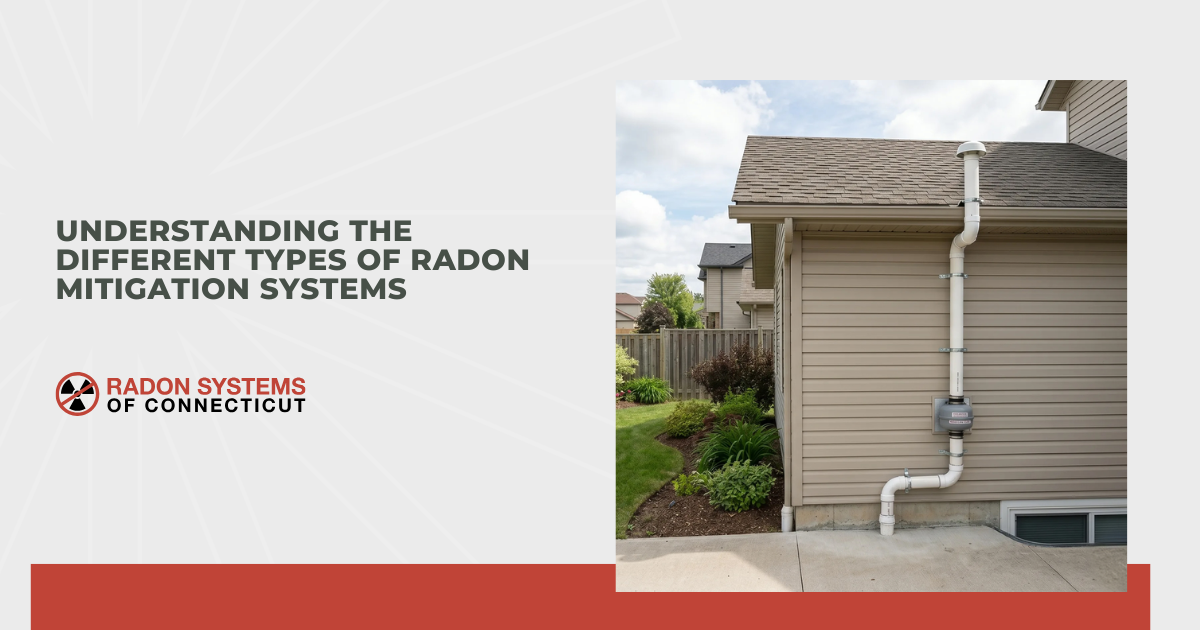
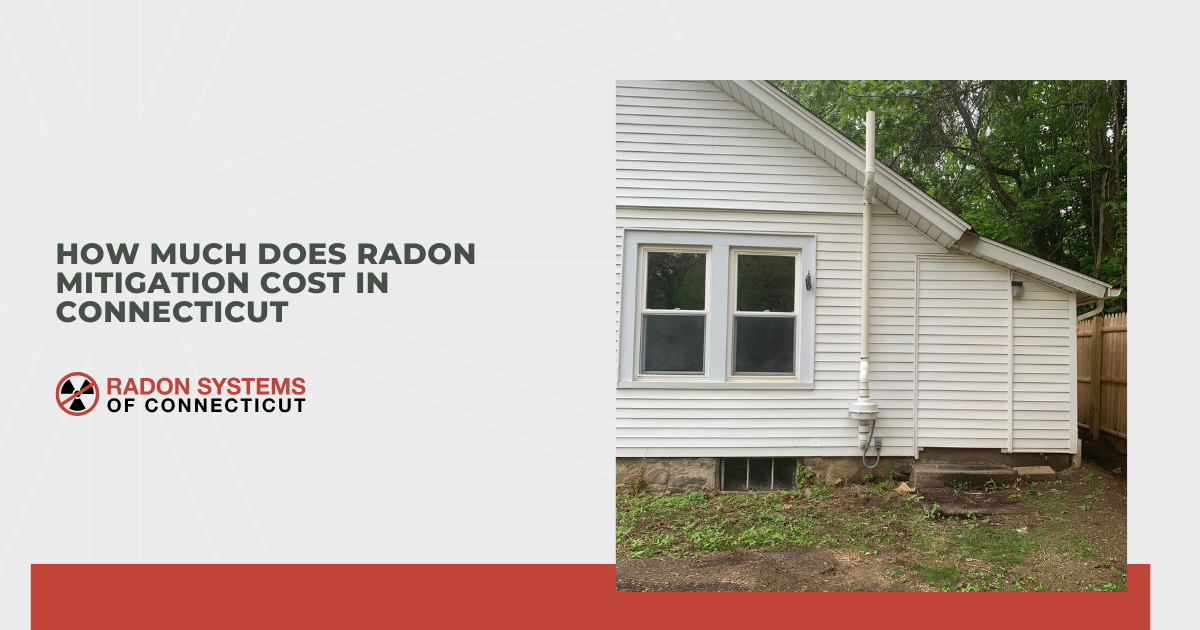
  • Sub‑Slab Depressurization (SSD): By far the most common and reliable method. It uses a PVC pipe and fan to create suction beneath your slab or basement floor, redirecting radon safely outdoors. From my experience, it's effective and straightforward—my system dropped levels within days.
  • Crawl‑Space Ventilation or Encapsulation: I chose encapsulation when our radon test showed elevated levels near crawl spaces. Installation included a heavy-duty vapor barrier and a small fan that created positive pressure to push radon gas out before it entered the living space.
  • Drain‑Tile Depressurization: Perfect for homes already equipped with a perimeter drain tile system. I learned this method integrates directly with existing pipes, making use of that enclosed space for more efficient radon suction.
  • Passive Systems: These are common in new builds. A simple stack pipe offers some reduction, but electric fan activation is usually still necessary for truly low levels.

Consider Key Factors When Selecting a System

There are some subtleties to understand with radon. Even if radon levels technically test “low enough,” I found there are details that impact your system’s success and long-term performance:


  • Home Layout and Foundation: Our finished basement influenced the choice of SSD placed in an out-of-the-way corner.
  • Radon Levels and Severity: Levels over 8 pCi/L (or sustained moderate levels near 4 pCi/L) led us to choose a powered system.
  • Aesthetic and Space Concerns: I didn't want a big fan sticking out, so finding a compact, quiet model was a priority.
  • Energy Efficiency and Noise: A continuous fan draws only 40–60 watts, but we still went with an insulated, low-noise fan to avoid nightly annoyance.

Evaluate Installation and Maintenance Requirements

Installing radon systems isn't a weekend DIY for most homeowners unless you're a pro. My SSD installation took under half a day with a certified contractor: they drilled a hole, inserted pipe segments, mounted the fan, and vented it well above roof level. Long-term care matters, too. A good system needs:


  • Periodic airflow checks (once or twice a year)
  • Fan replacement every 5-10 years
  • A carbon filter and electrical check during yearly seasonal maintenance

Hire a Qualified Radon Mitigation Professional

DIY isn't the best path here. Make sure to look for NRPP- or NRSB-certified radon mitigation professionals who are equipped with proof of certification, factory-installed labels, and a clear post-install testing plan.


  • A comprehensive warranty covering fan defects and system components
  • Guaranteed post-install testing within a week to confirm new radon levels
  • Documentation and adherence to state and local regulations (coalitions of radon licensing ensured code compliance)

Conclusion

The best radon mitigation system for your home requires an understanding of your home’s structure, your radon levels, and how various options function. And don’t forget about professional installation and upkeep! From my experience, investing in a correctly sized, certified SSD or crawl space system has given me peace of mind and clean air. With a well-chosen system and ongoing maintenance, you can rest easy knowing your home remains a safe, protective environment for those you love.

Share this article

Recent Posts

How Much Does Radon Mitigation Cost in Connecticut?
By Russell Monges June 8, 2026
Learn what affects radon mitigation costs in Connecticut, what to ask a licensed contractor, and how to feel prepared and confident going into the process.
Do Radon Systems Require Ongoing Maintenance?
By Russell Monges May 14, 2026
Find out whether radon systems require ongoing maintenance, what to check regularly, and how to keep your system operating safely and efficiently year-round.
Common Mistakes Homeowners Make When Doing DIY Radon Testing
By Russell Monges May 14, 2026
Learn the most common mistakes homeowners make during DIY radon testing and how placement, timing, and conditions affect accurate indoor radon test results.
Prevention Through Radon Testing: Recognizing Radon Poisoning Signs
By Russell Monges May 14, 2026
Discover how radon testing helps prevent exposure and learn the key signs of radon poisoning so you can keep your home’s air safe for the people you love most.
DIY vs. Professional Radon Testing: Which Is Right for You?
By Russell Monges May 14, 2026
Explore the key differences between DIY and professional radon testing in protecting your family, and discover which option is best your needs and budget.
Comparing Short-Term and Long-Term Radon Testing
By Russell Monges May 14, 2026
Radon testing is vital to maintain home health and safety. Explore both short- and long-term testing options to decide which one performs best for your needs.
How Radon Testing Can Prevent Long-Term Health Issues
By Russell Monges May 14, 2026
Radon testing is crucial for detecting harmful gas levels and preventing long-term health risks like lung cancer. Learn why every home needs radon testing.
Can Having a Radon System Boost Home Value?
By Russell Monges May 14, 2026
Improve air quality, safeguard your family, and elevate your property’s market value with a radon mitigation system that delivers clean air and long-term safety.
Recognizing the Signs: Why Radon Mitigation Is a Must
By Russell Monges May 14, 2026
Discover how to spot the signs of radon gas in your property. Know when it’s time to call the professionals for a radon mitigation.
After the Radon Testing: What to Do When Radon Levels are High?
By Russell Monges May 14, 2026
Know what to do after getting high radon levels. Keep your entire household safe from this odorless, colorless, and dangerous gas.
Show More