Debunking the Most Common Myths & Misconceptions About Radon Testing

Russell Monges • June 26, 2026
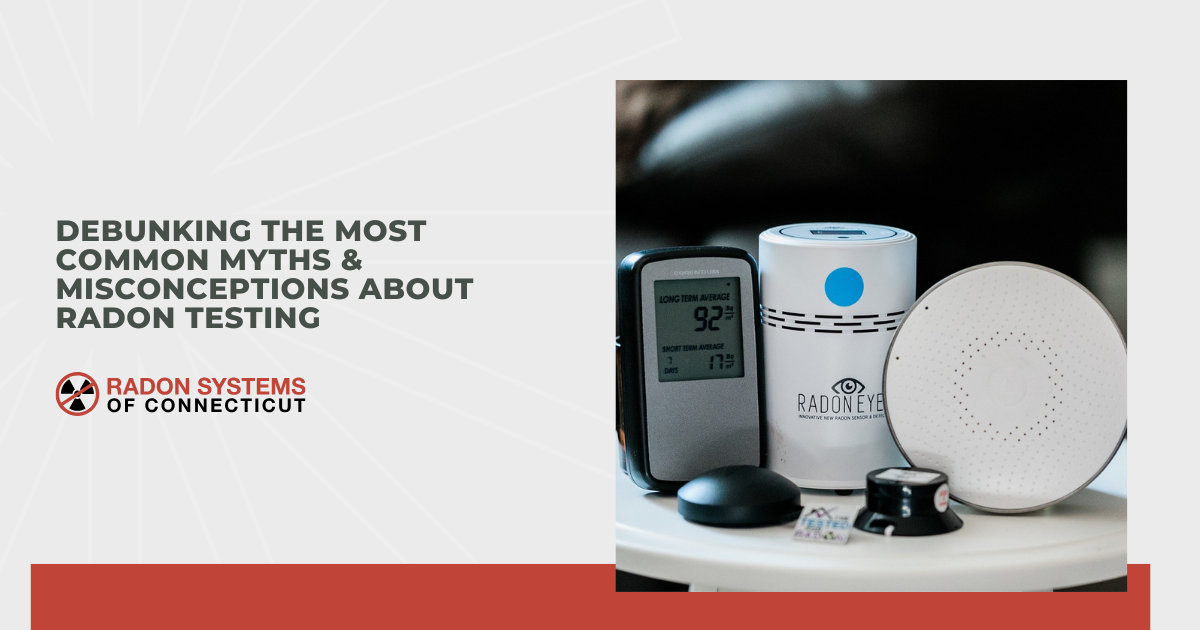
Debunking the Most Common Myths & Misconceptions About Radon Testing

Radon is one of those topics that most homeowners have heard of but few actually understand well enough to act on. It's invisible, odorless, and produces no immediate symptoms, which makes it easy to dismiss as something that happens in other homes, not yours. The problem with that thinking is that radon is the second leading cause of lung cancer in the United States, and the only way to know whether your home has a problem is to test for it. After years of working in home health and safety, I've seen firsthand how a single misconception about radon testing can delay a decision that protects an entire family's health for years to come.


The myths around radon testing are surprisingly persistent, and most of them share a common thread: they make it easy to justify not testing. A new home, a low-lying area, a neighbor with clean results, a basement that gets used occasionally, these are all reasons people give for skipping a test that takes days to complete and costs less than most people assume. Understanding why those assumptions are wrong is what makes the difference between a home that's been properly evaluated and one that's carrying an invisible risk nobody thought to check for.


Here are the most common myths about radon testing, and the truth behind each one:


  • New homes don't need radon testing
  • You can tell if you have radon without testing
  • Radon testing is complicated and expensive
  • A neighbor's low radon level means yours is low too
  • Radon is only a problem in basements
  • Once you test, you never need to test again
  • Radon mitigation is too costly and disruptive
  • Radon is only a problem in certain parts of the country


Read on to find out why each of these myths persists and why none of them hold up under scrutiny.


Myth #1: New Homes Don't Need Radon Testing

This is one of the most common assumptions homeowners make, and it's easy to understand where it comes from. A brand new home feels clean, sealed, and built to modern standards, which makes it reasonable to assume that radon simply isn't a concern. Many people also assume that builders factor radon into the construction process, or that newer building materials somehow prevent it from entering the home. The reality is that radon has nothing to do with how old or new a home is, and the assumption that new construction is automatically safe leads many homeowners to skip a test they genuinely need. Radon testing is just as important on move-in day as it is for a home that's been standing for decades.


The truth is: Radon enters homes through the soil beneath them, regardless of when the home was built or what materials were used in its construction. In fact, newer homes are often better sealed than older ones, which can actually trap radon inside and allow levels to build up higher than they might in a drafty older structure. The only way to know whether radon is present in your home is to test for it, and no amount of new construction, modern materials, or builder assurances changes that fact. Radon levels are determined by the geology of the land your home sits on, not the age of the structure above it. If you've moved into a new home and assumed you were in the clear without testing, now is the time to reconsider.

Myth #2: You Can Tell If You Have Radon Without Testing

It's a reasonable assumption that something dangerous would give itself away somehow, whether through a smell, a visible sign, or a physical sensation. Radon feels like the kind of threat that should announce itself, and the idea that it could be silently present in your home without any detectable sign feels counterintuitive to most people. Some homeowners believe that if their family isn't experiencing health issues, radon must not be a problem. Others assume that a musty smell or poor air quality in the basement is a reliable indicator of radon, when in reality the two have nothing to do with each other. The absence of any obvious sign is precisely what makes radon so dangerous and so easy to overlook.


The truth is: Radon is completely colorless, odorless, and tasteless, and it produces no physical sensation that would alert you to its presence. The health effects of radon exposure, primarily an increased risk of lung cancer, develop slowly over years of cumulative exposure rather than producing any immediate symptoms. By the time radon-related health issues become apparent, the damage has already been done over a long period of time. No air quality test, no physical inspection, and no amount of time spent in the home can tell you whether radon is present at dangerous levels. The only reliable way to know is through proper radon testing, and there is simply no substitute for it.

Myth #3: Radon Testing Is Complicated and Expensive

For a lot of homeowners, the word "testing" conjures up images of scheduling professionals, waiting for appointments, and receiving a bill that makes the whole process feel more trouble than it's worth. Radon testing has a reputation for being more involved than it actually is, and that reputation keeps a surprising number of people from ever getting around to it. Some homeowners assume they need to hire a certified professional and clear their schedule for an extended process that disrupts daily life. Others have simply never looked into what radon testing actually involves and are operating on assumptions that bear no resemblance to reality. The barrier to radon testing is almost always perception rather than the actual cost or effort involved.


The truth is: Short-term test kits can be purchased at most hardware stores for under $30, placed in the lowest livable level of the home for two to seven days, and mailed to a lab for results. Long-term tests provide a more comprehensive picture of average radon levels over 90 days or more and are equally straightforward to use. Professional radon testing is also available for homeowners who prefer a certified result, and even that option is far more affordable than most people expect. Having helped many homeowners through the process, I can say that the most common reaction after completing a radon test is surprise at how simple it actually was. The barrier to radon testing is almost always perception rather than actual cost or effort.

Myth #4: A Neighbor's Low Radon Level Means Yours Is Low Too

It's a natural assumption to make. If your neighbor tested their home and came back with low radon levels, it feels reasonable to conclude that your home is probably in the clear too. Neighborhoods are built on similar land, houses are often constructed around the same time with similar materials, and it can seem logical that what's true for one property would be true for the one next door. This assumption leads many homeowners to skip testing entirely, relying on someone else's results as a proxy for their own. It's one of the most understandable radon myths, and also one of the most dangerous.


The truth is: Two homes built side by side on the same street can have radon levels that differ by a factor of ten or more, and there's no way to predict which direction that difference will go without testing. The specific geology, soil composition, and construction details of each individual property determine how much radon makes its way inside. Radon enters through cracks, gaps, and openings in the foundation, and those entry points vary from property to property in ways that have nothing to do with proximity. Your neighbor's results, however reassuring they might feel, tell you nothing meaningful about what's happening beneath your own foundation. The only way to get an answer that actually applies to your home is to test it.

Myth #5: Radon Is Only a Problem in Basements

Because radon enters through the ground, it's natural to assume that the basement is the only space that needs to be concerned about it. Many homeowners who don't use their basement regularly, or who don't have one at all, dismiss radon testing as irrelevant to their situation. Others test the basement, get a result they're comfortable with, and assume the rest of the home is covered. The idea that radon stays contained to the lowest level of a home feels logical on the surface, but it doesn't reflect how radon actually behaves once it enters a structure. This assumption leads to incomplete testing and a false sense of security that leaves upper floors unaccounted for.


The truth is: Once radon enters a home through the foundation, it doesn't stay in the basement. It moves through the living spaces above via stairwells, gaps in flooring, HVAC systems, and natural air movement throughout the home. Homes without basements, including those built on slabs or crawl spaces, are just as vulnerable to radon entry as those with full below-grade levels. Testing only the basement gives you an incomplete picture of your home's radon exposure, particularly if the upper floors are where your family spends most of their time. A comprehensive radon test accounts for the areas of the home where people actually live, sleep, and spend the most hours each day.

Myth #6: Once You Test, You Never Need to Test Aga

A single radon test feels like a definitive answer, and once homeowners have one on record, it's easy to file it away and consider the matter permanently settled. The logic seems sound: if the test came back acceptable, the home is fine, and there's no reason to repeat the process. Many people treat radon testing the same way they treat a one-time home inspection, as something that establishes the baseline condition of the property and doesn't need to be revisited unless something obviously changes. This thinking is understandable, but it overlooks the fact that radon levels are not static and can shift meaningfully over time. A result that was acceptable years ago may no longer reflect what's actually happening in the home today.


The truth is: Radon levels fluctuate based on a range of factors that change over time, including shifts in the soil beneath the home, changes to the foundation, renovations, and even seasonal variations in temperature and pressure. A home that tested within acceptable limits five years ago may have developed new entry points through settling, cracking, or construction work that didn't exist at the time of the original test. Environmental Protection Agency guidelines recommend retesting every two years, or any time significant changes are made to the home. Periodic radon testing is a straightforward and inexpensive way to make sure the results you're relying on still reflect current conditions. Treating it as a one-time task rather than an ongoing maintenance habit is what leaves homeowners with outdated information and a false sense of security.

Myth #7: Radon Mitigation Is Too Costly and Disruptive

For homeowners who test and discover elevated radon levels, the next concern is almost always what it's going to cost to fix the problem. Radon mitigation has a reputation for being an expensive, invasive process that involves significant construction work and weeks of disruption to daily life. Some homeowners put off testing altogether because they're afraid of what they might find and what it would mean for their budget and their home. Talking to homeowners who have gone through the mitigation process, I'm almost always struck by how different their expectations were from the reality of what it actually involved. The assumption that fixing a radon problem is prohibitively expensive keeps many homeowners from ever finding out whether they have one in the first place.


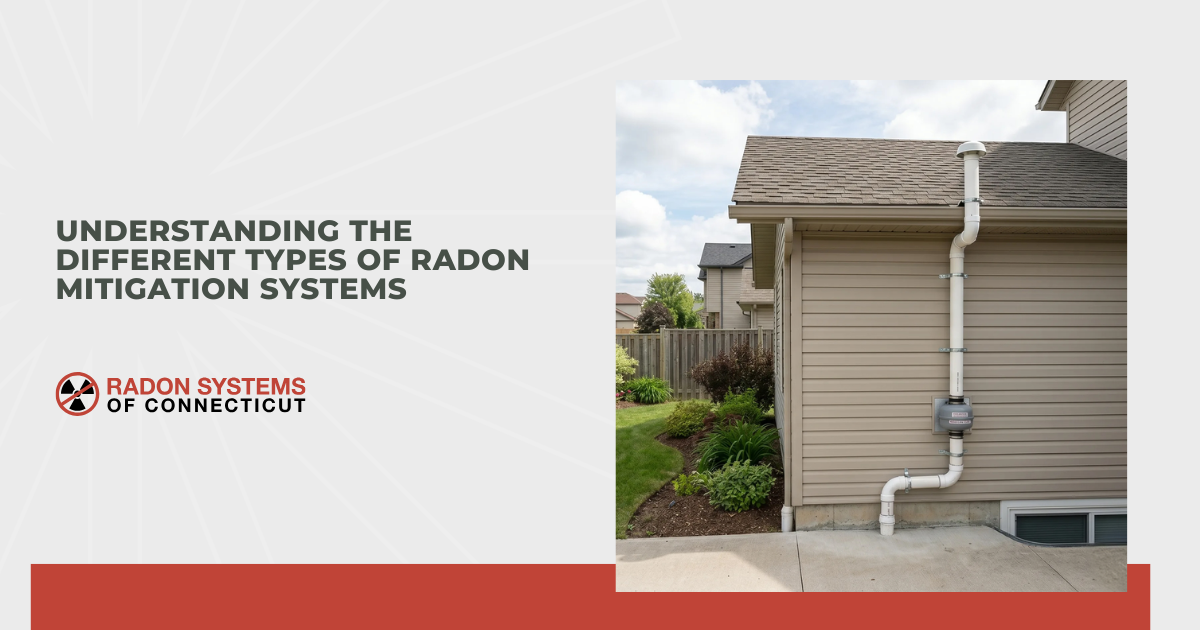
The truth is: Most radon mitigation systems are installed in a single day by a certified professional and involve minimal disruption to the home. The most common approach is a sub-slab depressurization system, which uses a pipe and fan to draw radon from beneath the foundation and vent it safely outside before it can enter the living space. Installation costs typically range from $800 to $2,500 depending on the size and configuration of the home, which is a fraction of what most homeowners assume going in. The system runs quietly in the background and requires very little ongoing maintenance once it's in place. For a problem that directly affects your family's long-term health, radon mitigation is one of the most cost-effective home improvements available.

Myth #8: Radon Is Only a Problem in Certain Parts of the Country

There's a common perception that radon is a regional issue, something that affects homes in specific states or geological zones while leaving others completely untouched. Maps showing radon risk zones by county or state reinforce the idea that some areas are simply safe and others aren't, and homeowners in lower-risk zones often use that designation as a reason to skip testing. The logic feels sound: if the government has identified your area as low-risk, surely that means your home doesn't need to be tested. What that reasoning misses is the significant difference between regional risk averages and the actual radon level in any individual home. A low-risk zone designation reflects statistical probability across a broad area, not the specific conditions beneath your foundation.


The truth is: Elevated radon levels have been found in homes in all 50 states, in every climate, and on every type of terrain. Regional risk maps are useful for understanding general patterns, but they were never intended to serve as a substitute for testing individual properties. Geology varies at a much finer scale than state or county boundaries, and two homes within the same zip code can have dramatically different radon levels based on the specific soil composition and foundation characteristics of each property. Assuming your home is safe because of where it's located is one of the most common and consequential mistakes homeowners make when it comes to radon. No location, no matter how low its risk designation, guarantees that any individual home is free of elevated radon levels.


Conclusion

Radon exposure is a serious health risk, but it's also a manageable one. Understanding what drives mitigation costs puts you in a much better position to ask the right questions, compare quotes, and make a decision that works for your home and your budget. Connecticut has no shortage of qualified, licensed contractors who can help you get your levels to a safe range. You've already taken the most important step by doing your research.

Share this article

Recent Posts

Factors to Consider Before Installing a Radon Mitigation System
By Russell Monges June 26, 2026
Learn what to consider before installing a radon mitigation system, from test results and foundation type to ventilation, cost, and post-installation testing.
How Much Does Radon Mitigation Cost in Connecticut?
By Russell Monges June 8, 2026
Learn what affects radon mitigation costs in Connecticut, what to ask a licensed contractor, and how to feel prepared and confident going into the process.
Do Radon Systems Require Ongoing Maintenance?
By Russell Monges May 14, 2026
Find out whether radon systems require ongoing maintenance, what to check regularly, and how to keep your system operating safely and efficiently year-round.
Common Mistakes Homeowners Make When Doing DIY Radon Testing
By Russell Monges May 14, 2026
Learn the most common mistakes homeowners make during DIY radon testing and how placement, timing, and conditions affect accurate indoor radon test results.
Prevention Through Radon Testing: Recognizing Radon Poisoning Signs
By Russell Monges May 14, 2026
Discover how radon testing helps prevent exposure and learn the key signs of radon poisoning so you can keep your home’s air safe for the people you love most.
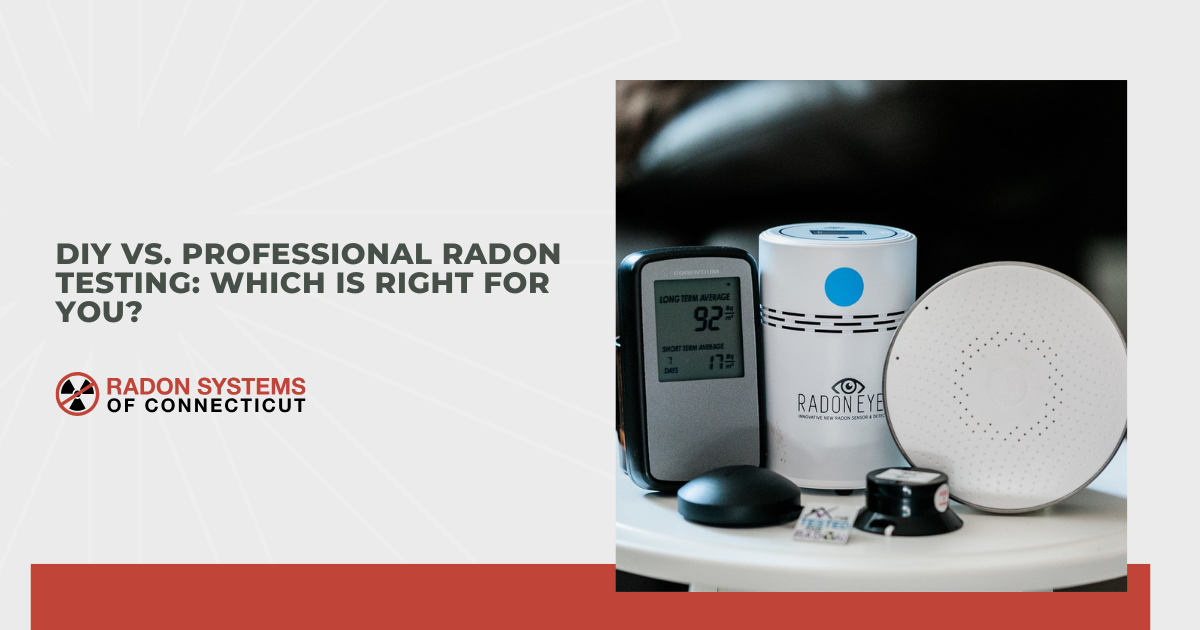
DIY vs. Professional Radon Testing: Which Is Right for You?
By Russell Monges May 14, 2026
Explore the key differences between DIY and professional radon testing in protecting your family, and discover which option is best your needs and budget.
How to Choose the Right Radon Mitigation System for Your Home
By Russell Monges May 14, 2026
Learn how to choose the right radon mitigation system for your home. Compare types, costs, and features to ensure safe indoor air and long-term protection.
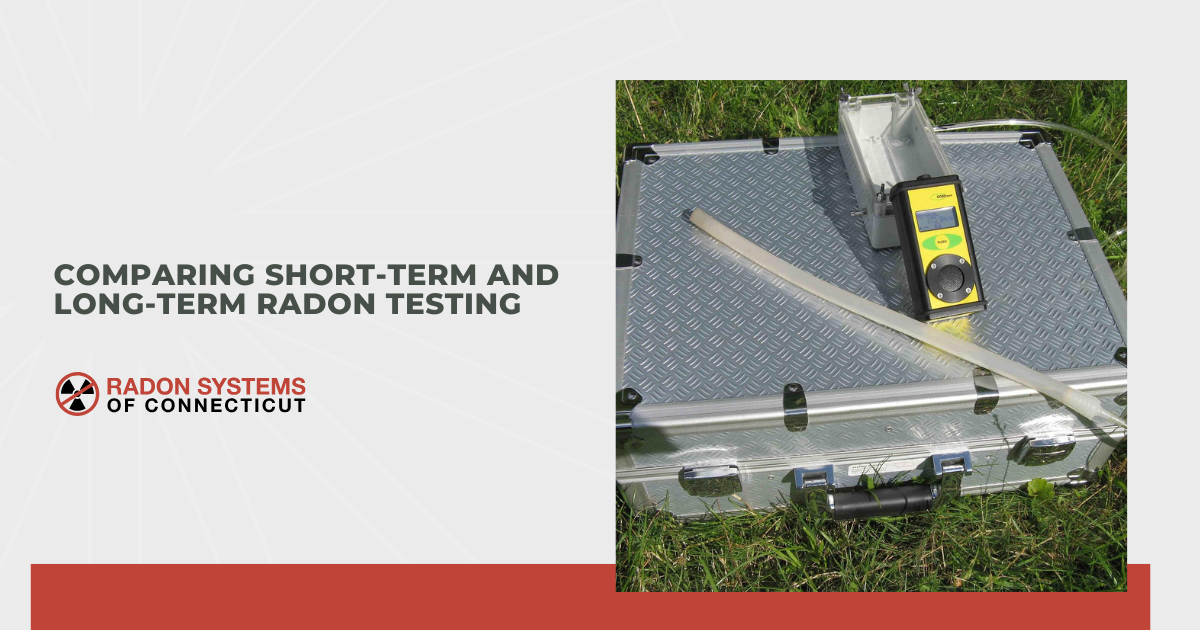
Comparing Short-Term and Long-Term Radon Testing
By Russell Monges May 14, 2026
Radon testing is vital to maintain home health and safety. Explore both short- and long-term testing options to decide which one performs best for your needs.
How Radon Testing Can Prevent Long-Term Health Issues
By Russell Monges May 14, 2026
Radon testing is crucial for detecting harmful gas levels and preventing long-term health risks like lung cancer. Learn why every home needs radon testing.
Can Having a Radon System Boost Home Value?
By Russell Monges May 14, 2026
Improve air quality, safeguard your family, and elevate your property’s market value with a radon mitigation system that delivers clean air and long-term safety.
Show More