Understanding the Different Types of Radon Mitigation Systems
Many homeowners feel uneasy after learning that radon can enter a house without clear warning signs. It forms naturally in soil and seeps into homes through foundation cracks and gaps around pipes. Once it's inside, it builds up quietly and can only be detected through testing. High radon levels are directly linked to lung cancer, making it one of the more serious risks that a home can hide from. Radon mitigation reduces these gas levels down and keeps them there, protecting both the air you breathe and your family's long-term health.
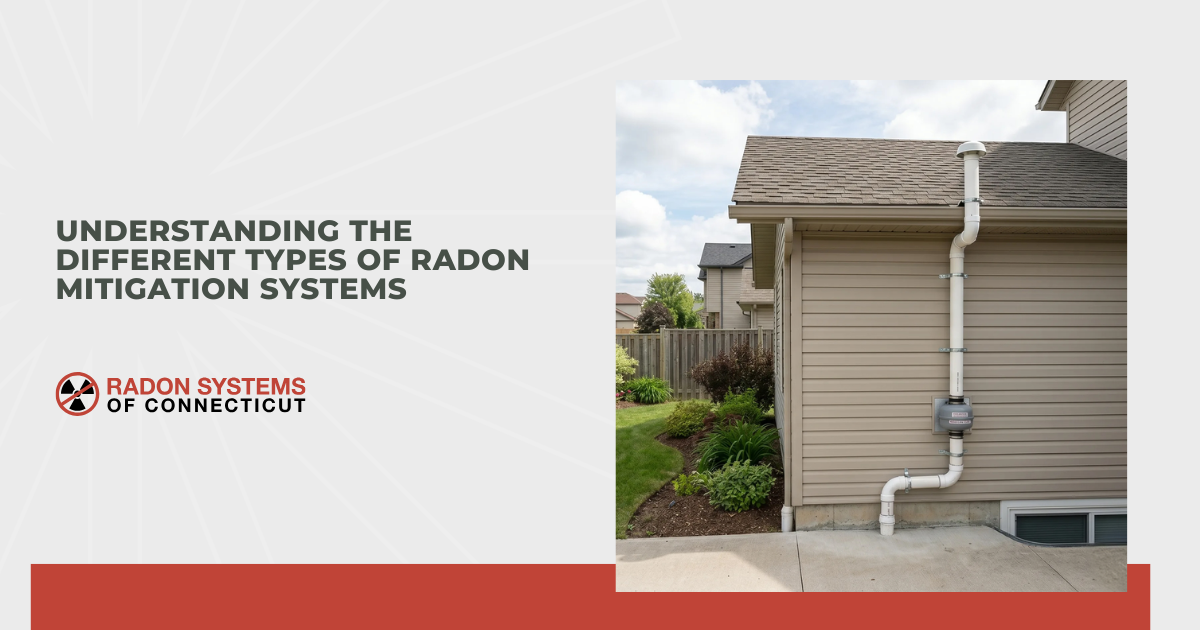
In my years working with Connecticut homeowners, I’ve observed that not every household needs the same solution, because foundations, layouts, and radon entry points vary. Some systems pull gas from beneath a slab, while others work through drain tiles, sump pits, crawlspaces, or blocked walls. The right setup is determined by the structure, test results, and the safest way to vent radon safely outside.
If you're weighing your options, it helps to see how each type of radon mitigation system tackles the problem from a different point in your home:
- Active soil depressurization (ASD)
- Active sub-slab depressurization
- Crawlspace sub-membrane depressurization
- Drain tile depressurization
- Sump pump radon mitigation
- Block wall depressurization
Read on to find out why each of these myths persists and why none of them hold up under scrutiny.
Active Soil Depressurization (ASD)
As one of the most effective and widely used approaches in the field, active soil depressurization is a go-to radon mitigation method for good reason. It pulls radon-heavy air out of the soil beneath your home before that gas ever has a chance to seep indoors. By reversing the natural pressure that draws radon upward, this method keeps your living space cleaner without changing how you use it day to day.
Here's a quick look at what makes an ASD radon mitigation system tick:
- Suction Point: A pipe gets set into the soil or slab, creating a low-pressure zone that draws radon toward the vent. It becomes the entry point for pulling gas away from your foundation.
- Inline Fan: A continuous fan keeps air moving upward and out through the roofline. Without it, radon would simply settle back beneath your home.
- Exhaust Routing: The vent releases radon safely above the roof, far from windows and doors. Proper placement stops the gas from drifting back inside.
I've installed enough of these to know that placement matters more than horsepower. A well-positioned suction point often outperforms a bigger fan slapped in the wrong spot, and that's the kind of detail that separates a lasting fix from a callback. Get the layout right, and an ASD system runs quietly in the background for years.
Active Sub-Slab Depressurization
Concrete slabs are where a huge share of radon slips through, and active sub-slab depressurization targets exactly that. Tiny cracks, gaps around pipes, and porous concrete all give radon an easy path indoors. This radon mitigation method seals off that route by drawing gas out from under the slab before it rises.
Once a suction point gets cut into the slab, a fan pulls air from the gravel or soil layer beneath it. Pressure under the concrete drops below the pressure inside your home, so radon follows the path of least resistance straight out the vent pipe. I always tell homeowners that a solid sub-slab radon mitigation system depends on good airflow beneath the slab, not just a hole and a fan. Poor sub-slab material can choke suction and leave dead zones where radon lingers.
Testing after installation tells you whether the system actually works, and I never skip that step. We retest radon levels once the fan's been running, then adjust if numbers stay high. Done right, sub-slab depressurization becomes one of the most reliable defenses you can put in a home.
Crawlspace Sub-Membrane Depressurization
Homes with crawlspaces need a different approach, since there's no full slab to work beneath. Crawlspace sub-membrane depressurization covers exposed soil with a heavy plastic sheet, then draws radon out from underneath it. Sealed properly, that membrane turns loose dirt into a controlled surface a radon mitigation system can actually manage.
Here's what goes into a dependable crawlspace setup:
- Sealed Membrane: A durable liner covers the entire soil floor and gets sealed at seams and walls. It traps radon below the barrier instead of letting it drift up into your home.
- Suction Connection: A pipe ties into the space beneath the membrane, giving the fan a point to pull from. Steady suction keeps the gas moving toward the exhaust.
- Vent Path: Collected radon travels up and out above the roofline. Correct routing keeps the gas from re-entering through vents or gaps.
I've seen too many crawlspace jobs fail because the membrane wasn't sealed tightly against the walls. Even small gaps let radon sneak past the barrier and undo the whole radon mitigation effort. When the liner's airtight, this system also cuts down on moisture, which protects framing and improves the air you breathe upstairs.
Drain Tile Depressurization
Many homes already have a perimeter drainage system built into their foundation, and drain tile depressurization puts that existing infrastructure to work. Those pipes ring your foundation to move water away, and they connect to the soil in a way that's perfect for radon collection. Tapping into that existing loop gives a radon mitigation system a ready-made network for pulling gas out.
A fan connects to the drain tile line and draws radon from the soil that surrounds your foundation footing. Because the tile already reaches so much ground, suction spreads widely and captures gas from multiple directions at once. I like this approach when the drainage is intact, since we're working with infrastructure that's already doing part of the job. Fewer new holes in your slab usually means a cleaner, less disruptive install.
One caution I share with every homeowner is that drain tile only works well when it's continuous and unblocked. Broken or partial loops leave gaps where radon slips through untouched. When the tile checks out, drain tile depressurization delivers strong, even coverage that's hard to beat.
Sump Pump Radon Mitigation
Sump pits open a direct channel to the soil and water beneath your home, which also means a direct channel for radon. Sump pump radon mitigation seals that pit and connects it to a fan, turning a common entry point into a controlled exhaust route. You keep the pump's water-handling job intact while cutting off the gas.
Here's how a sealed sump setup handles both problems at once:
- Airtight Lid: A sealed cover fits over the sump pit while still allowing the pump to work. It stops radon from rising out of the pit and into your basement.
- Radon Vent Tie-In: A pipe draws gas from beneath the sealed lid and routes it outdoors. Continuous suction keeps radon from collecting inside the pit.
- Pump Access: A clear port lets you service the pump without breaking the seal. Easy access means maintenance never compromises your radon mitigation system.
Retrofitting existing sumps into effective radon mitigation systems is one of the more satisfying installs we do, and homeowners are often surprised how seamless it is. Nothing about their water management changes; they just gain radon protection they didn't have before. Sealed correctly, the sump keeps doing its job while quietly blocking one of radon's favorite doorways.
Block Wall Depressurization
Hollow block foundation walls create a hidden problem, since radon travels freely through the interconnected voids inside them. Block wall depressurization pulls gas directly from those cavities, treating the walls themselves as part of the collection system. It's a specialized fix for a foundation type that standard methods can miss.
Suction points get placed into the block cavities, and a fan draws radon out of the network of voids running through the wall. Because block walls connect vertically and horizontally, treating them properly requires sealing openings so the suction stays strong. I always stress that skipping the sealing step is one of the fastest ways to weaken a block wall radon mitigation system. Air leaks let the fan pull room air instead of the gas trapped inside the wall.
Combining block wall treatment with slab work often gives the most complete result in these homes. We seal the top of the wall, close off obvious gaps, then confirm radon levels have dropped with a fresh test. When both the walls and the slab get addressed, your radon mitigation system covers the whole foundation rather than just part of it.
Conclusion
Clean air inside your home rarely gets a second thought until something invisible changes the equation. That's what makes radon worth your attention: it works quietly, but the fix is straightforward once you understand it. Each home has its own way of interacting with the ground beneath it, so a well-planned radon mitigation system should be based on real conditions rather than guesswork. When the system matches the home, it brings a clearer sense of control, a safer living environment, and confidence that an important health risk is being handled the right way.