Do Radon Mitigation Systems Require Maintenance?

Russell Monges • May 11, 2026
Do Radon Mitigation Systems Require Maintenance?

Homeowners living within areas containing radon, oftentimes ask what the maintenance requirements are for their radon mitigation system. Concerns with maintaining your radon mitigation system are understandably high on the list of priorities when it comes to protecting yourself, your family and your time! 


Fortunately, a properly installed radon mitigation system only requires occasional maintenance and can become a part of your home maintenance schedule easily, by checking your system’s warning device regularly, ensuring that your fan is properly running and testing your home every few years to make sure radon levels are kept at bay. 


Similar to a furnace, chimney or other continuously used items in your home, radon mitigation systems are self-sufficient on their own accord for the most part, but do need the occasional check-in and tune-up. The average radon mitigation system utilizes fans to prevent radon gas from rising into your home from the foundation below. The fan pulls radon from beneath your home and pumps it through a pipe that runs to the outside of your home. Radon mitigation fans are one of the most important aspects of your radon mitigation system because their power and continuous work are what discharge radon from entering your house. Since radon fans are constantly running, fan upkeep and maintenance are necessary, but many fans come with a warranty that will cover repairs and replacement for up to five years.


A properly installed radon mitigation system will have a warning device that serves to notify homeowners if any radon mitigation system failure occurs. The Environmental Protection Agency (EPA) requires that these devices be installed with all approved radon mitigation systems, so it is important for you to check to make sure that your home has this warning device installed for legitimacy purposes. You can check the functionality of your radon warning device in a few simple steps. These steps should become a part of your regular check-up and maintenance routine. Checking your warning device once every one to three months to make sure it is properly working, takes only a bit of scheduling time on your part and is a rather simple and straightforward process. 


The two most important maintenance strategies for your in-home radon mitigation systems involve the radon fan and your radon warning device; both rely upon the other and usually require only occasional check-ins to ensure proper functionality. Maintaining your radon mitigation system does not have to be a hassle. You can rest easy by following a few key pointers and tips from the pros, to ensure your system is properly running to keep your home free of radon and your family safe.


Pro-Tips for Radon Mitigation System Maintenance

If your home has a radon mitigation system or you plan on having one installed (professional contractor installation suggested), there are several pro-tips for maintaining your system to ensure you receive all the benefits from a well-tuned and properly functioning system that will save you time, money and your health for years to come. You can’t put a price on your health and the safety of your home is a top priority, so following a few steps to ensure the functionality of your radon mitigation system is a no-brainer. Luckily, you don’t have to be a professional to check up on whether your system is working properly. There are several DIY radon system maintenance tips that you can implement into your monthly schedule. 


As previously mentioned, two of the most important steps in radon mitigation system maintenance are ensuring that your warning device and fans, as part of your radon system, are properly functioning. In addition to checking in on these systems occasionally, maintenance on your radon mitigation system should include annual or bi-annual inspections by a qualified professional.

Checking Your Radon Warning Device

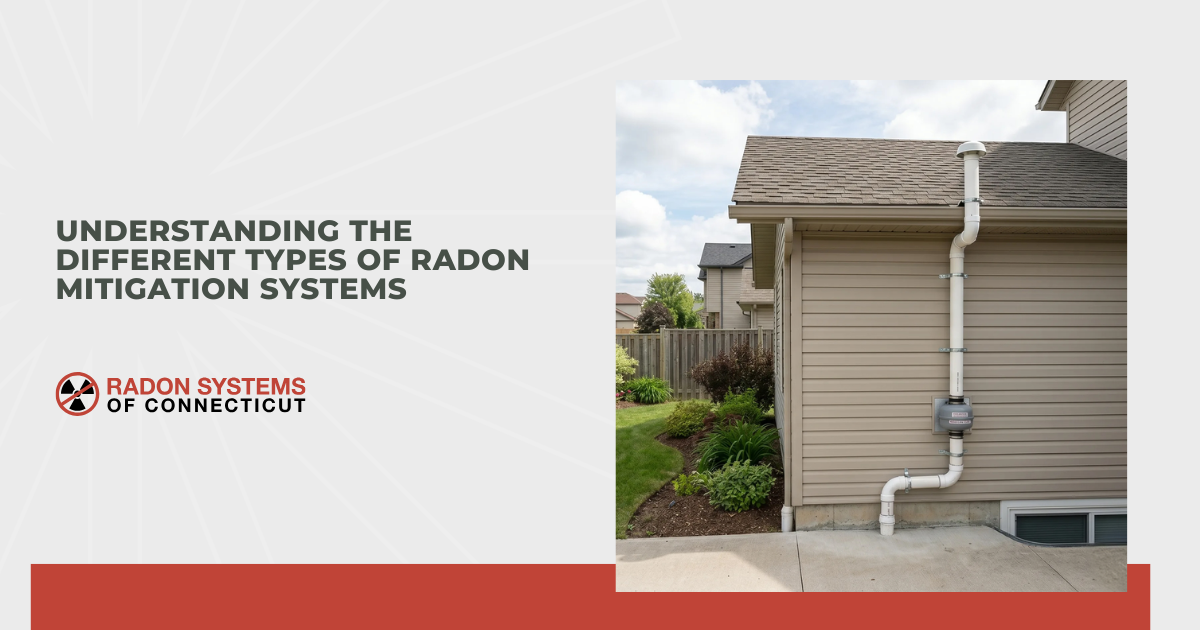
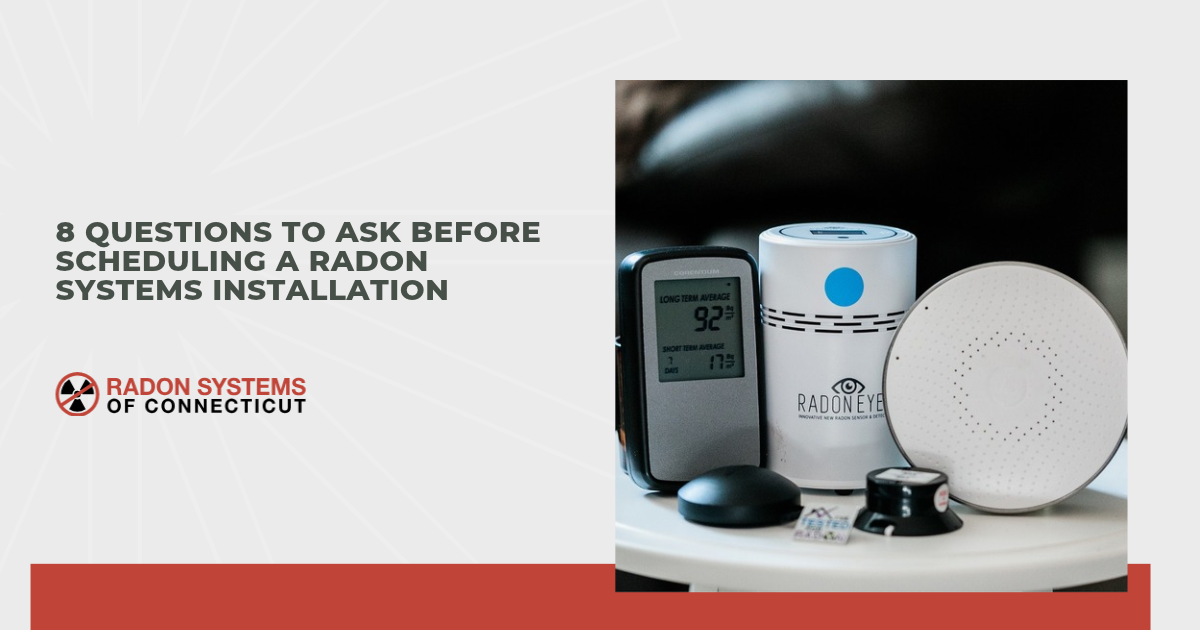
The EPA requires that homes with a radon mitigation system must include a radon warning device in order to be considered legitimate. A radon warning device is installed in your home to serve as a tool that will alert you if your system is not properly working. System failure alerts on your device can include, but are not limited to, sound alarms, a dial with needle display for gauging radon levels, light indicators and liquid gauges. In most residential homes, the device that measures radon levels is installed on the vent pipe that assists in exhausting radon away from your home. The warning device should be installed in a place where it is easily accessed, seen and heard by those who live in the home.


A licensed contractor can assist you in understanding how your warning device works. The warning device should be checked by your contractor to ensure that it is functioning properly. Once you learn how to gauge whether your warning device is properly working, you check your radon warning device on a monthly or bi-monthly schedule. If you see that the pressure is where it needs to be, you can rest assured that your system is working. If you notice that the pressure levels are off, don’t panic. This would be the time to call in a professional to check your device and system.

Ensuring Proper Performance of Your Radon Mitigation Fan

Important Radon System Knowledge for Easier Maintenance


Final Thoughts

Share this article

Recent Posts

How Much Does Radon Mitigation Cost in Connecticut?
By Russell Monges June 8, 2026
Learn what affects radon mitigation costs in Connecticut, what to ask a licensed contractor, and how to feel prepared and confident going into the process.
Do Radon Systems Require Ongoing Maintenance?
By Russell Monges May 14, 2026
Find out whether radon systems require ongoing maintenance, what to check regularly, and how to keep your system operating safely and efficiently year-round.
Common Mistakes Homeowners Make When Doing DIY Radon Testing
By Russell Monges May 14, 2026
Learn the most common mistakes homeowners make during DIY radon testing and how placement, timing, and conditions affect accurate indoor radon test results.
Prevention Through Radon Testing: Recognizing Radon Poisoning Signs
By Russell Monges May 14, 2026
Discover how radon testing helps prevent exposure and learn the key signs of radon poisoning so you can keep your home’s air safe for the people you love most.
DIY vs. Professional Radon Testing: Which Is Right for You?
By Russell Monges May 14, 2026
Explore the key differences between DIY and professional radon testing in protecting your family, and discover which option is best your needs and budget.
How to Choose the Right Radon Mitigation System for Your Home
By Russell Monges May 14, 2026
Learn how to choose the right radon mitigation system for your home. Compare types, costs, and features to ensure safe indoor air and long-term protection.
Comparing Short-Term and Long-Term Radon Testing
By Russell Monges May 14, 2026
Radon testing is vital to maintain home health and safety. Explore both short- and long-term testing options to decide which one performs best for your needs.
How Radon Testing Can Prevent Long-Term Health Issues
By Russell Monges May 14, 2026
Radon testing is crucial for detecting harmful gas levels and preventing long-term health risks like lung cancer. Learn why every home needs radon testing.
Can Having a Radon System Boost Home Value?
By Russell Monges May 14, 2026
Improve air quality, safeguard your family, and elevate your property’s market value with a radon mitigation system that delivers clean air and long-term safety.
Recognizing the Signs: Why Radon Mitigation Is a Must
By Russell Monges May 14, 2026
Discover how to spot the signs of radon gas in your property. Know when it’s time to call the professionals for a radon mitigation.
Show More