How is Radon Removed From a Well?

Russell Monges • May 13, 2026
Can a Radon Mitigation System Increase or Decrease a Home's Value?

Radon is found in the ground. It is harmful if breathed in or ingested. However, because of its odorless and colorless nature, you don't know when you're exposed to it. While most people think of radon in the air, it can also leech into your drinking water if you get it from a private well.


If found in a well, there will definitely need to be a radon mitigation system installed. To better understand the removal methods used, first familiarize yourself with:


  • Why does it matter if there is radon in drinking water?
  • How does radon get in drinking water?
  • How do you determine if radon is in water?
  • What are the methods of radon removal?


It's time to take action and learn more about how to remove radon from your well!


Why Does it Matter if There is Radon in Drinking Water?

Living on well water is something many people do without considering the overall risks. While drinking radon will not make you glow like a being from outer space, there are still significant health risks you must consider.


Research provided by the Environmental Protection Agency (EPA) indicates that radon is one of the leading causes of lung cancer after smoking. When you turn on the faucet to bring water into the house, radon gas gets into the air. You then inhale the clear, odorless gas leading to potential problems over time.


While radon causes approximately 89% of all lung cancer cases, it is far from the only cancerous form. This same research indicates that drinking water contaminated by radon is responsible for about 11% of stomach cancer cases.

How Does Radon Get in Drinking Water?

Radon is a naturally occurring gas found in the soil. While you can find it in all areas, some spots are prone to higher concentrations of it. As uranium in the ground, rocks, and even groundwater begin to decay, it produces radon. Areas with granite, granitic sand, and gravel formations are more prone to seeing higher radon levels.


Radon gas dissolves into the water. When you turn on the inside faucet to shower or clean, radon particles become disturbed and released into the air. Radon is less likely to come from sources at or above ground level as it can release into the air before it gets pumped through your home. However, if you are using groundwater from a well, there is a chance it could be contaminated.

How Do You Determine if Radon is in Water?

Most city water and sewage systems test for radon and take appropriate actions to reduce levels before it gets to your home. However, if you use a private well, you need to contact your state certification officer. They will give you a list of labs in your area that will test your water.


A professional will take samples and have them analyzed. You will then receive a report with the overall levels indicated. However, there is no "federally-enforced" standard for drinking water. The EPA does regulate city and community suppliers but not private wells.


City suppliers must keep water radon levels below 4,000 pCi/L, and private well owners should follow the same standard. If the number in your report is higher than 4,000 pCi/L, you should contact a radon removal specialist.

What Are The Removal Methods?

According to MassRealestateNews.com, there are two main methods for removing radon from drinking water, Granular Activated Carbon (GAC) or Aeration Treatment. A professional treatment company will help you determine the best method for your particular well.

GAC Treatment

A professional installs the Granulated Active Carbon (GAC) treatment system at the point where the well water enters your house. Suppose you have multiple water treatment systems, such as a water softener. In that case, he or she will install the GAC system in line after the softener treatment.


As water passes through the carbon filter, it traps the radon gas. Eventually, you will need to replace the filter with a fresh one. The GAC system also filters more than just radon. It helps to filter out other contaminants to keep your family healthy. Again, be vigilant about changing the filters.


Cost-wise, the GAC system will be your best option. However, you do have to pay for new carbon filters which can get expensive if you frequently replace them.

Aeration Treatment

Of the two treatment systems, removal professionals consider the aeration system to be the best. Like the GAC system, you install it next to where the well water goes into your house. However, it does not have to go in before any other water treatment system.


The aeration system is a large plastic tank that's filled with well water. A hose injects air into the water, releasing radon atoms. Then, a venting system pulls the contaminated air out and expels it out of the house, "generally through a pipe leading up to the roof."


Conclusion

You should not take radon levels in well water lightly. It is the leading cause of lung cancer, and it can also cause stomach cancer. By understanding how radon gets into drinking water and how to remove it, you'll reduce the risks your family faces from this deadly gas.

Sources

Share this article

Recent Posts

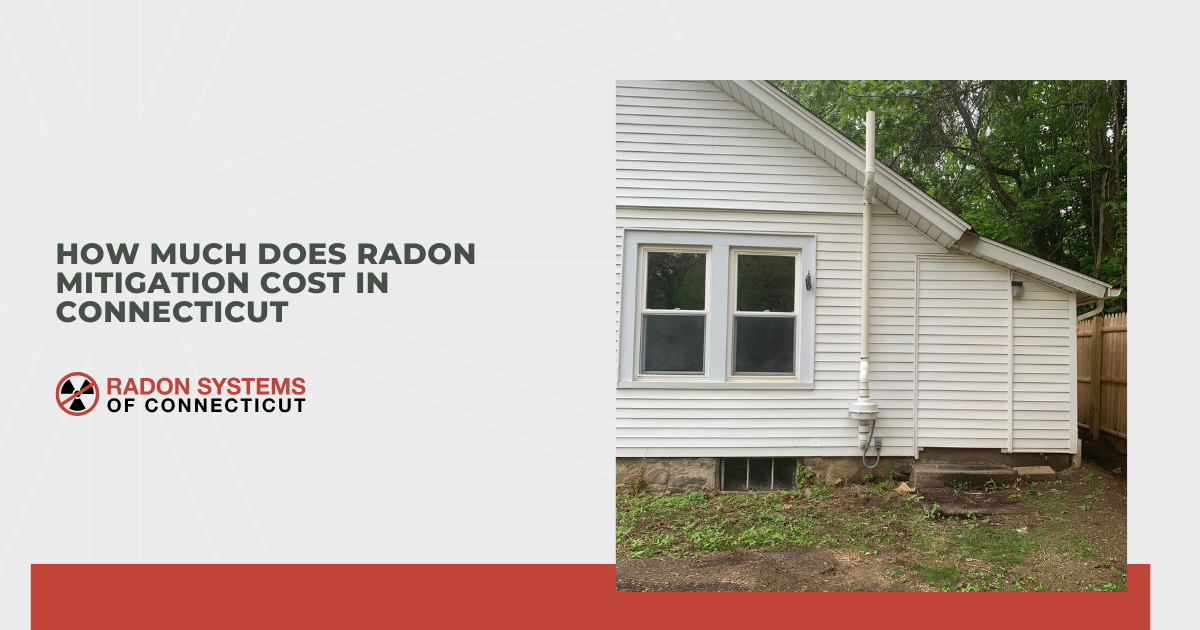
How Much Does Radon Mitigation Cost in Connecticut?
By Russell Monges June 8, 2026
Learn what affects radon mitigation costs in Connecticut, what to ask a licensed contractor, and how to feel prepared and confident going into the process.
Do Radon Systems Require Ongoing Maintenance?
By Russell Monges May 14, 2026
Find out whether radon systems require ongoing maintenance, what to check regularly, and how to keep your system operating safely and efficiently year-round.
Common Mistakes Homeowners Make When Doing DIY Radon Testing
By Russell Monges May 14, 2026
Learn the most common mistakes homeowners make during DIY radon testing and how placement, timing, and conditions affect accurate indoor radon test results.
Prevention Through Radon Testing: Recognizing Radon Poisoning Signs
By Russell Monges May 14, 2026
Discover how radon testing helps prevent exposure and learn the key signs of radon poisoning so you can keep your home’s air safe for the people you love most.
DIY vs. Professional Radon Testing: Which Is Right for You?
By Russell Monges May 14, 2026
Explore the key differences between DIY and professional radon testing in protecting your family, and discover which option is best your needs and budget.
How to Choose the Right Radon Mitigation System for Your Home
By Russell Monges May 14, 2026
Learn how to choose the right radon mitigation system for your home. Compare types, costs, and features to ensure safe indoor air and long-term protection.
Comparing Short-Term and Long-Term Radon Testing
By Russell Monges May 14, 2026
Radon testing is vital to maintain home health and safety. Explore both short- and long-term testing options to decide which one performs best for your needs.
How Radon Testing Can Prevent Long-Term Health Issues
By Russell Monges May 14, 2026
Radon testing is crucial for detecting harmful gas levels and preventing long-term health risks like lung cancer. Learn why every home needs radon testing.
Can Having a Radon System Boost Home Value?
By Russell Monges May 14, 2026
Improve air quality, safeguard your family, and elevate your property’s market value with a radon mitigation system that delivers clean air and long-term safety.
Recognizing the Signs: Why Radon Mitigation Is a Must
By Russell Monges May 14, 2026
Discover how to spot the signs of radon gas in your property. Know when it’s time to call the professionals for a radon mitigation.
Show More