
How Is Radon Testing Done in a Home?

Russell Monges • May 11, 2026
How Is Radon Testing Done in a Home?

According to the EPA, one out of 15 homes have elevated levels of radon, which is a tasteless, odorless gas that can cause serious health consequences.


Radon testing can be done through purchasing a home testing kit or having professional testing done on your home. When left unchecked, radon gas can slip into a home’s air and water supply, increasing the risks of lung cancer for occupants. In fact, the EPA estimates that radon exposure is responsible for more than 20 thousand cancer deaths each year. If you’re in the process of buying, selling or building a home, radon testing should be at the top of your list of steps to take. 


As a homeowner or seller, it’s vital you understand how radon testing is performed, where testing takes place and when radon systems are used to mitigate the risks of this dangerous gas. Keep reading on to learn more about the radon testing process.


What Is Radon Gas and Where Does It Come From?

Radon gas occurs naturally as uranium breaks down in soil, rock and water. Although radon can enter homes through well water or even through some construction materials, such as granite or concrete, the greatest risk of radon entry into a home is through the soil. 


It’s important to note that all homes can be at risk for having high levels of radon, regardless of age or location. This gas may be present in any region of the country and in all types of terrain. In fact, two homes right next to each other could have widely varying levels of this gas. That means that every home must be tested because there’s simply no way to predict if yours will or will not have high levels.

Radon Testing Options: Home Testing Kits Vs. Professional Testing

When it comes to radon gas testing, you can do it yourself with a home testing kit or hire a professional company. An elevated radon level that requires mitigation would be 4 picocuries per liter (pCi/L) or higher. If your radon level is between 2 and 4 pCi/L, you should consider fixing the issue. 


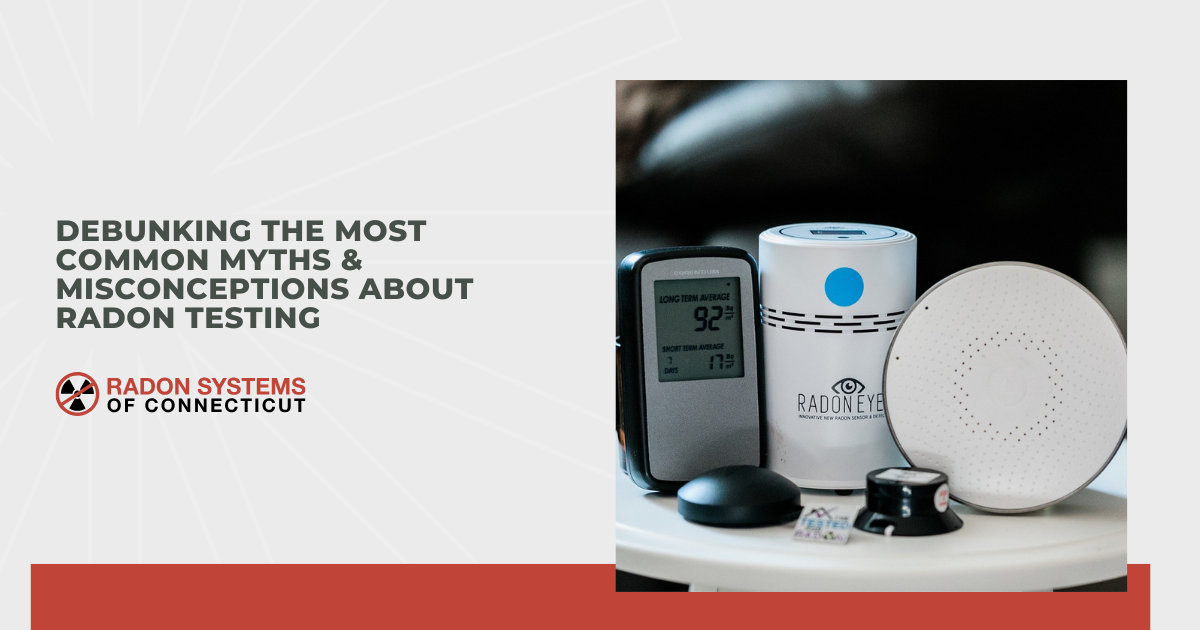
Home Testing Kits: The benefits of home testing kits are cost, speed and convenience. These DIY kits often cost less than $50, take only a few days to perform, and are available at most local hardware and home improvement stores. 


However, using a DIY radon testing kit means you sacrifice accuracy for convenience. Therefore, these tests are only recommended to identify if there is a problem. These tests are not meant to provide specific radon levels. If radon is detected, it is highly recommended that you hire a professional company to test your home. 


If you decide to purchase a DIY test, here are several important steps you need to take to get the most accurate result possible:


  1. You must keep all of your home’s doors and windows closed for 12 hours before initiating testing, as well as during the test. This will prevent radon gas from escaping your home, which would yield inaccurate results.
  2. Because soil acts as the primary source of radon gas entry into a home, testing should be performed at the lowest point of your home’s living space.
  3. Depending on the test you purchased, you must leave it undisturbed for 48 to 96 hours. Check the product instructions for the exact testing time required.
  4. Finally, you must send your testing device to a laboratory for analysis when your testing is complete. This lab will provide the results of your radon test.


Professional Testing: If you are in the process of buying or selling a home, professional radon testing is recommended. This testing method is performed by trained and certified experts using precise, professional-grade equipment.


There are some very important differences in professional and home testing kits that you should understand: 


  • Professional testing includes examination of all potential causes of radon exposure, allowing companies to pinpoint the source. 
  • Reputable radon inspection companies will also test the soil around your home, often down to the third layer of earth. 
  • To check for radon-contaminated water, a professional company should check private wells, public water supplies and any groundwater sources. 

If radon gas is identified during a professional test, the company you hired will typically help create a comprehensive plan to resolve the issue and make the home safe.

Long-Term vs. Short-Term Testing

What to Do if Radon Gas Is Found in Your Home

How Companies Select the Proper Radon Mitigation System

Radon Systems Used in Mitigation


Why Fight the Risks of Radon Exposure?


Sources

Share this article

Recent Posts

How Much Does Radon Mitigation Cost in Connecticut?
By Russell Monges June 8, 2026
Learn what affects radon mitigation costs in Connecticut, what to ask a licensed contractor, and how to feel prepared and confident going into the process.
Do Radon Systems Require Ongoing Maintenance?
By Russell Monges May 14, 2026
Find out whether radon systems require ongoing maintenance, what to check regularly, and how to keep your system operating safely and efficiently year-round.
Common Mistakes Homeowners Make When Doing DIY Radon Testing
By Russell Monges May 14, 2026
Learn the most common mistakes homeowners make during DIY radon testing and how placement, timing, and conditions affect accurate indoor radon test results.
Prevention Through Radon Testing: Recognizing Radon Poisoning Signs
By Russell Monges May 14, 2026
Discover how radon testing helps prevent exposure and learn the key signs of radon poisoning so you can keep your home’s air safe for the people you love most.
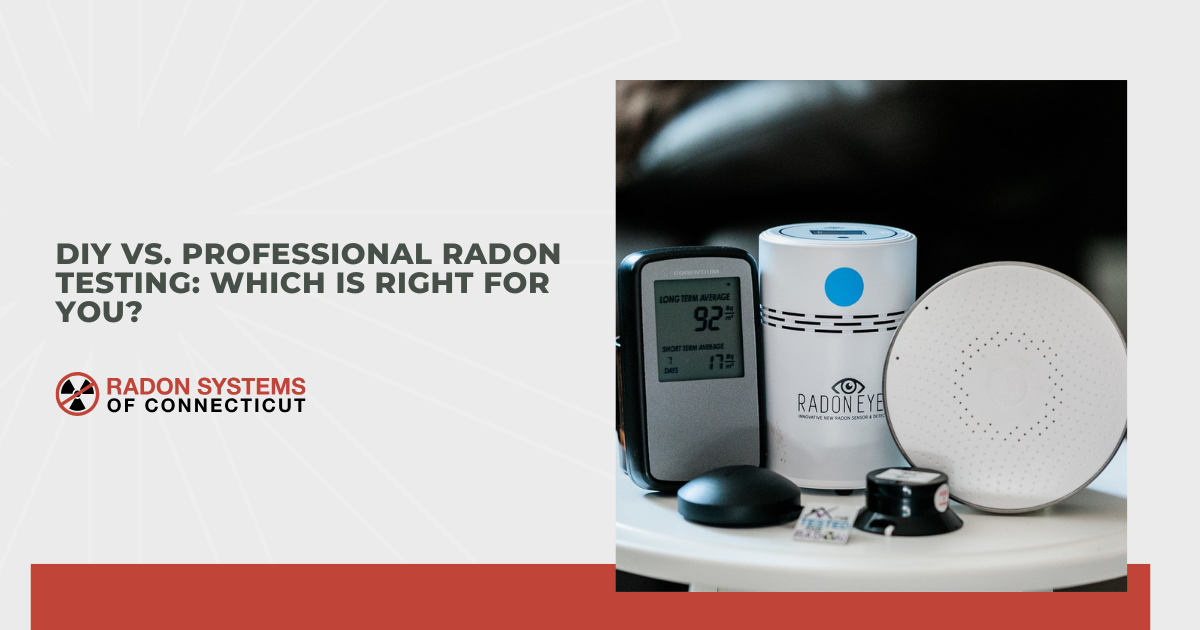
DIY vs. Professional Radon Testing: Which Is Right for You?
By Russell Monges May 14, 2026
Explore the key differences between DIY and professional radon testing in protecting your family, and discover which option is best your needs and budget.
How to Choose the Right Radon Mitigation System for Your Home
By Russell Monges May 14, 2026
Learn how to choose the right radon mitigation system for your home. Compare types, costs, and features to ensure safe indoor air and long-term protection.
Comparing Short-Term and Long-Term Radon Testing
By Russell Monges May 14, 2026
Radon testing is vital to maintain home health and safety. Explore both short- and long-term testing options to decide which one performs best for your needs.
How Radon Testing Can Prevent Long-Term Health Issues
By Russell Monges May 14, 2026
Radon testing is crucial for detecting harmful gas levels and preventing long-term health risks like lung cancer. Learn why every home needs radon testing.
Can Having a Radon System Boost Home Value?
By Russell Monges May 14, 2026
Improve air quality, safeguard your family, and elevate your property’s market value with a radon mitigation system that delivers clean air and long-term safety.
Recognizing the Signs: Why Radon Mitigation Is a Must
By Russell Monges May 14, 2026
Discover how to spot the signs of radon gas in your property. Know when it’s time to call the professionals for a radon mitigation.
Show More