Should You Have Radon Testing Done In Your Home?

Russell Monges • May 8, 2026

Should you have radon testing done in your home?

Radon: It’s not something you’re likely to think much about. It doesn’t have a smell, odor or taste, and you’re not going to experience any immediate health problems when you have radon in your home. If you're buying a home in Connecticut, however, it’s important that you have it tested for this potentially deadly gas.


What Is Radon?

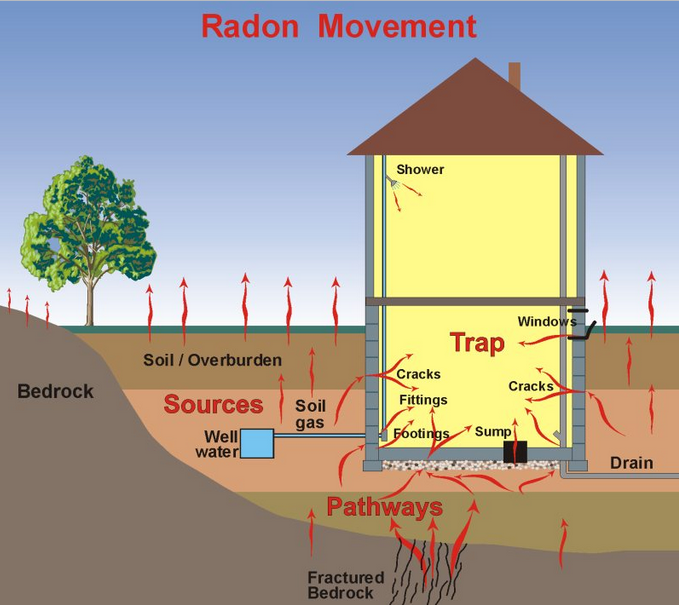
As uranium in the earth’s crust decays, which is a natural process, radon is produced. This odorless, colorless gas rises up out of the ground. When it hits the air outside, it’s quickly diluted. If it gets into your house through small cracks in the foundation, however, it can build up to dangerous levels.


Inhaling the tiny particles of radon can introduce radioactive material into your lungs. Over time, this can cause lung cancer. In fact, the United States Environmental Protection Agency (EPA) says that radon is the second-leading cause of lung cancer. (Smoking is the first.) If you smoke and you live in a home with radon, you’re at increased risk. Having your home tested and, if necessary, treated, for radon gas is one way to decrease your overall risk of developing lung cancer.

How Can I Test for Radon?

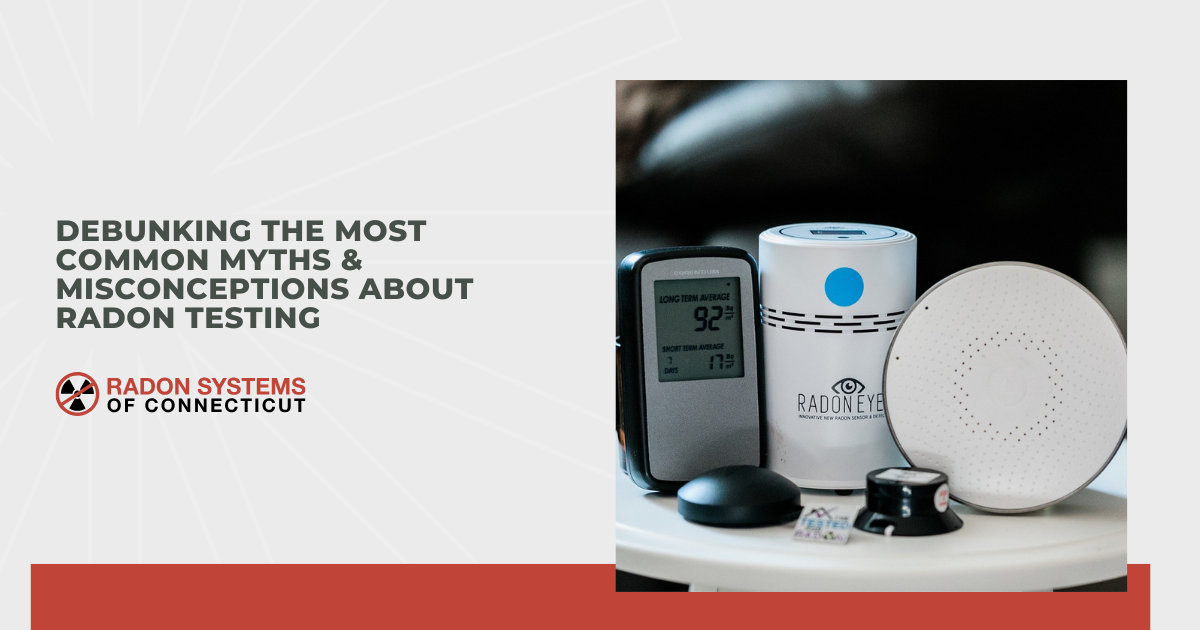
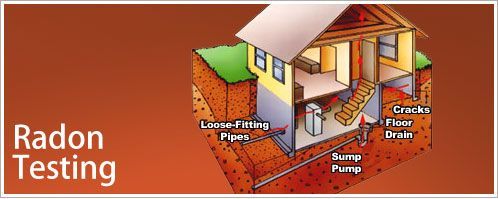
The good news is that it’s simple to test for this gas. At Radon Systems of Connecticut, we have several options for different types of radon tests, depending on your lifestyle and how you use your home. We’ll place radon detectors on the lower floors of your home; if you use your basement as living space, we will test there, too.

Radon testing diagram of a house with labeled pipes, sump pump, and crack seal drain points

During the testing period, you’ll need to stay away from the detector. You’ll also need to make a special effort to keep the windows and doors of your home closed while the test is being done. Children and pets should be kept out of the area. We will tell you all of the ways that you can ensure an accurate result.


Once the testing period is done, we will take back the detectors and let you know what the results are. Radon levels are tested in picocuries per liter, or pCi/L. Any levels over 4 pCi/L need to be mitigated, as these are excessively high levels. Levels that are less than 4 pCi/L but over 2 pCi/L are moderately high andshould be mitigated to reduce your risks.

What If I Have Radon in My Home?

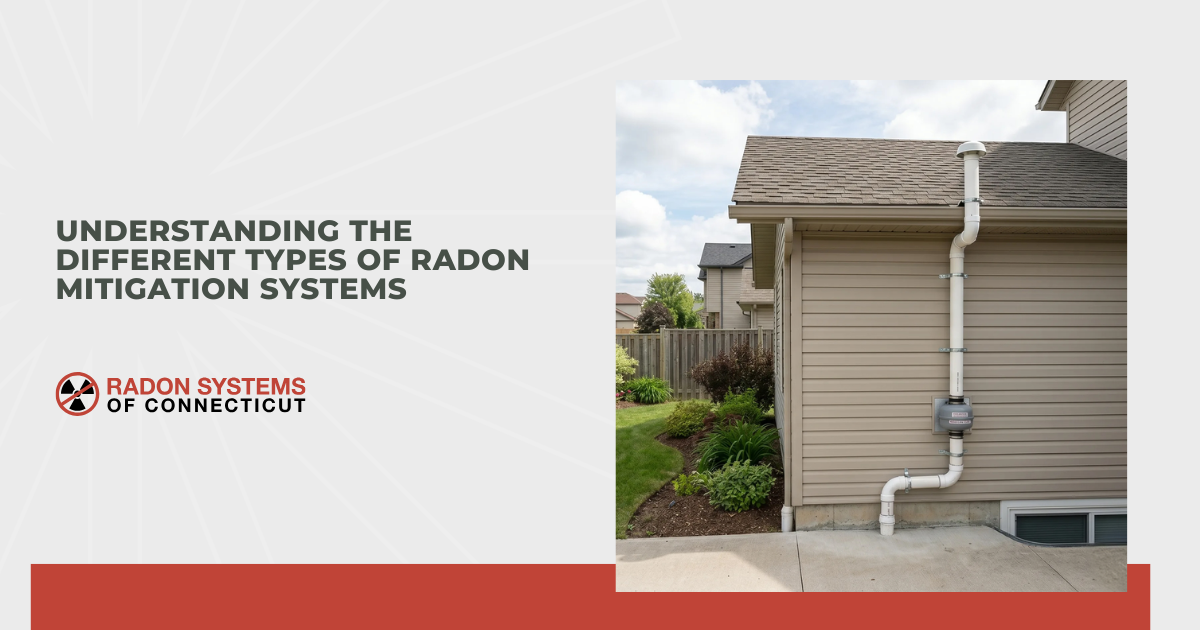
Today, there are several types of radon mitigation systems available. We’ll help you choose the one that is most appropriate for your home.


When buying a house, it’s important to have the home tested during your inspection period. If the tests come back with elevated radon levels, you can then choose not to buy the home, ask the sellers to pay for mitigation, or choose to have the mitigation done yourself after the closing.


If you are selling a home, it’s a good idea to get the testing done before putting the house on the market. Having a radon-free status can make your home more attractive to buyers. If you do find radon, putting in a mitigation system can give the buyers peace of mind.

Diagram of radon moving from soil into a house through cracks, with sources, pathways, and trap marked in red.

Keep yourself and your family healthy. Call Radon Systems of Connecticut to find out more about radon testing and mitigation. Your health and safety is worth it!

Share this article

Recent Posts

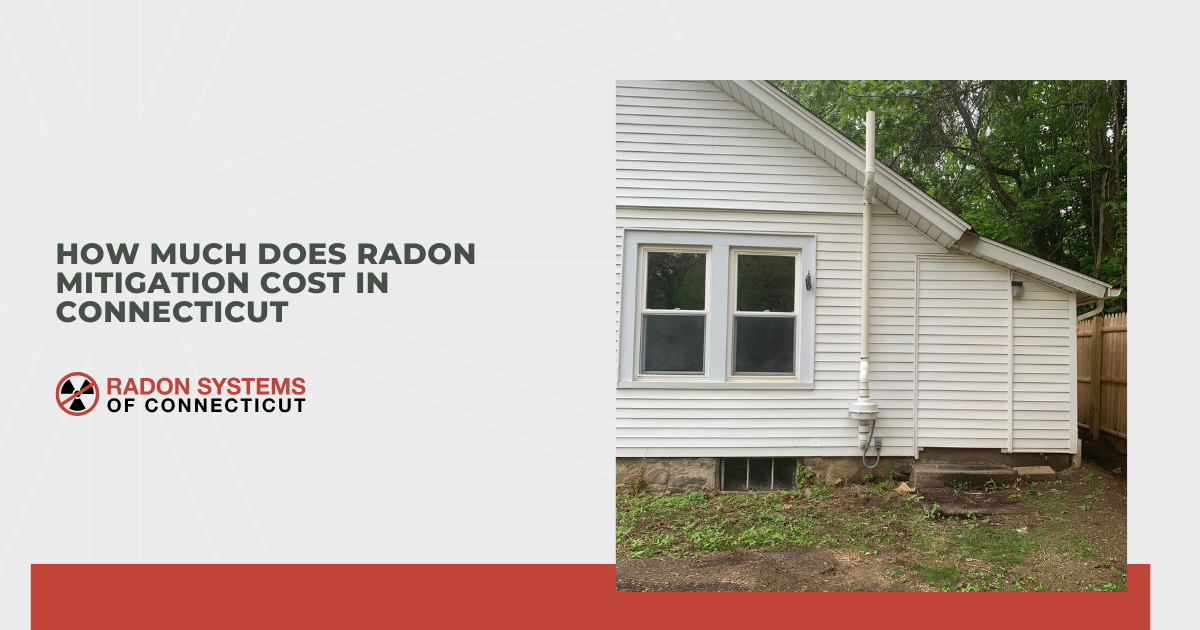
How Much Does Radon Mitigation Cost in Connecticut?
By Russell Monges June 8, 2026
Learn what affects radon mitigation costs in Connecticut, what to ask a licensed contractor, and how to feel prepared and confident going into the process.
Do Radon Systems Require Ongoing Maintenance?
By Russell Monges May 14, 2026
Find out whether radon systems require ongoing maintenance, what to check regularly, and how to keep your system operating safely and efficiently year-round.
Common Mistakes Homeowners Make When Doing DIY Radon Testing
By Russell Monges May 14, 2026
Learn the most common mistakes homeowners make during DIY radon testing and how placement, timing, and conditions affect accurate indoor radon test results.
Prevention Through Radon Testing: Recognizing Radon Poisoning Signs
By Russell Monges May 14, 2026
Discover how radon testing helps prevent exposure and learn the key signs of radon poisoning so you can keep your home’s air safe for the people you love most.
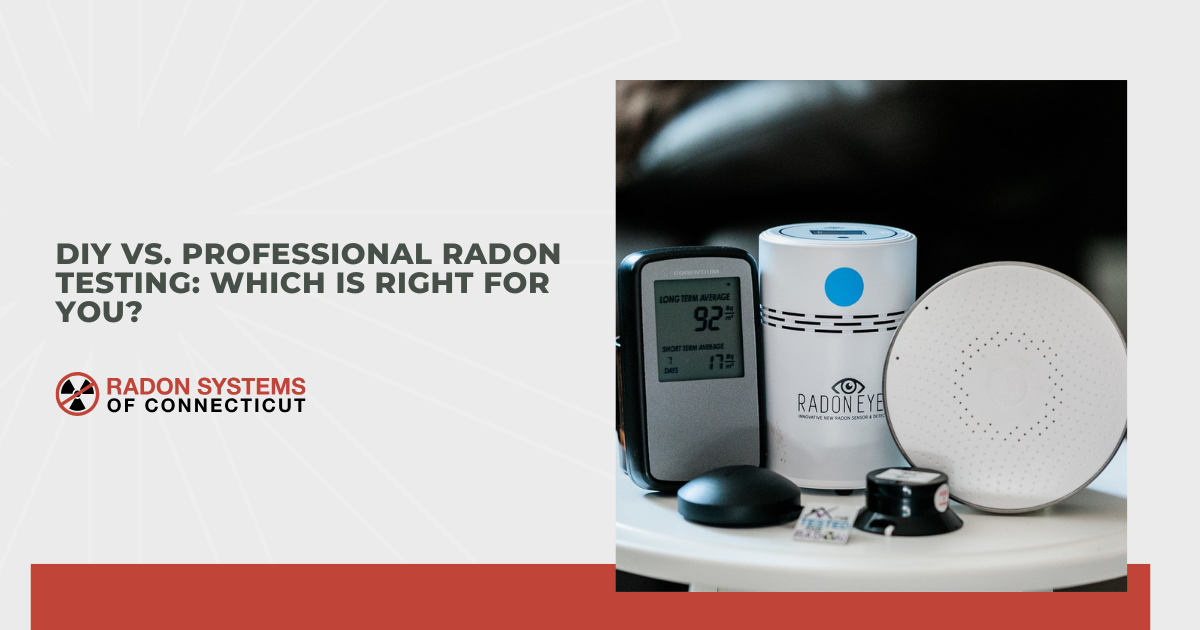
DIY vs. Professional Radon Testing: Which Is Right for You?
By Russell Monges May 14, 2026
Explore the key differences between DIY and professional radon testing in protecting your family, and discover which option is best your needs and budget.
How to Choose the Right Radon Mitigation System for Your Home
By Russell Monges May 14, 2026
Learn how to choose the right radon mitigation system for your home. Compare types, costs, and features to ensure safe indoor air and long-term protection.
Comparing Short-Term and Long-Term Radon Testing
By Russell Monges May 14, 2026
Radon testing is vital to maintain home health and safety. Explore both short- and long-term testing options to decide which one performs best for your needs.
How Radon Testing Can Prevent Long-Term Health Issues
By Russell Monges May 14, 2026
Radon testing is crucial for detecting harmful gas levels and preventing long-term health risks like lung cancer. Learn why every home needs radon testing.
Can Having a Radon System Boost Home Value?
By Russell Monges May 14, 2026
Improve air quality, safeguard your family, and elevate your property’s market value with a radon mitigation system that delivers clean air and long-term safety.
Recognizing the Signs: Why Radon Mitigation Is a Must
By Russell Monges May 14, 2026
Discover how to spot the signs of radon gas in your property. Know when it’s time to call the professionals for a radon mitigation.
Show More