
Understanding Radon Poisoning and the Mitigation Process

Russel Monges • May 8, 2026

Understanding Radon Poisoning And The Mitigation Process

Radon is one of those - can’t see, taste, or smell - deadly gases that is second to cigarettes as the leading cause of cancer. It’s not talked about as much and although radon is a natural gas that exists all over the world since the beginning of creation, it is very dangerous at certain levels.


Currently in the United States, 1 in 3 homes screened for radon tested positive according to the United State’s Environmental Protection Agency (EPA), and between 1 / 15 and 1 / 5 homes tested are at dangerous levels. 


What is Radon and Where does it come from?

Throughout the history of the Earth, uranium has always been found in trace elements. This element is as common in the Earth’s crust as tin, tungsten and molybdenum. Apparently 6.6 billion years ago, Uranium (named after Uranus) formed supernovas and the slow radioactive decay provides the main source of heat inside our earth. 


The high-density element has been used as a counterweight for aircrafts, ballasts for ships, keels for yachts, and even radiation shielding. However, the more common use is in the military - for harnessing radioactive energy to manufacture nuclear weapons.


Now that we know why uranium is used today, let’s briefly explore how uranium turns into radon gases. Uranium is naturally radioactive in and of itself and as it decays over time, it transforms into new “daughter” elements (aka. product of decay) such as radon gases. During each decay, energy is released from the atom collectively termed “ionizing radiation” and thus, makes it radioactive. 

Here’s why you should care

The unique characteristic of radon is it is capable of migrating from the location of the original uranium atom into the surrounding soil gas. Today worldwide, an average of 2 radon atoms are emitted from every square centimeter of soil everywhere on Earth every second of every day. 


Due to the excessive harvesting and use of Uranium, the radon levels have increased and are now affecting much of the United States - yup… another consequence thanks to military and war. Although there is definitely cause for concern, the levels appear to still be safe outdoors. The real hazard is your home indoors - as you can see from the current statistics at the top of this post.

Radon Mitigation Process

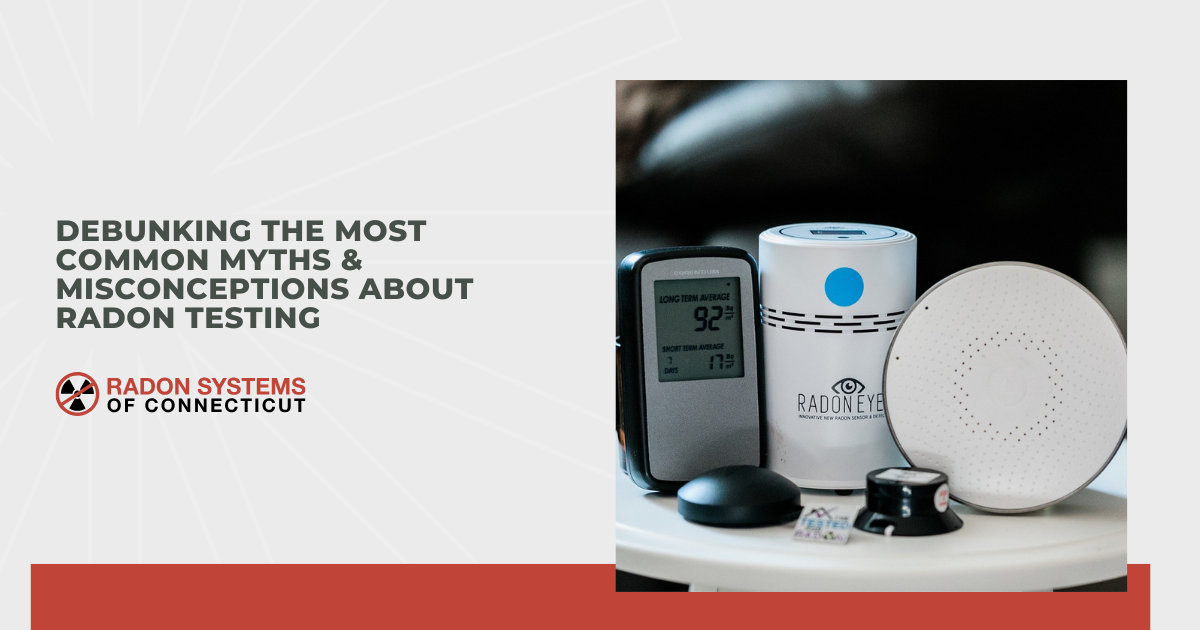
So the next logical question is… “Is my home safe from Radon poisoning? How do I find out and what do I do?” Good question. Although there are DIY kits for radon testing, it’s highly recommended to get a professional to handle something so important and sensitive. You will also want to make sure that they are certified and qualified to not only test radon levels but install the radon mitigation systems if necessary.

Yellow triangular biohazard warning sign with black symbol and border

Mitigation techniques are divided into three groups.

  • Ones that reduces radon gas
  • Ones that reduce SLRDs (short-lived radon daughters - which are the MAIN particles responsible for health problems)
  • Ones that reduce DP (delta P - created due to inadvertently created pressure differences between the outdoors and indoors, including temperature differences)

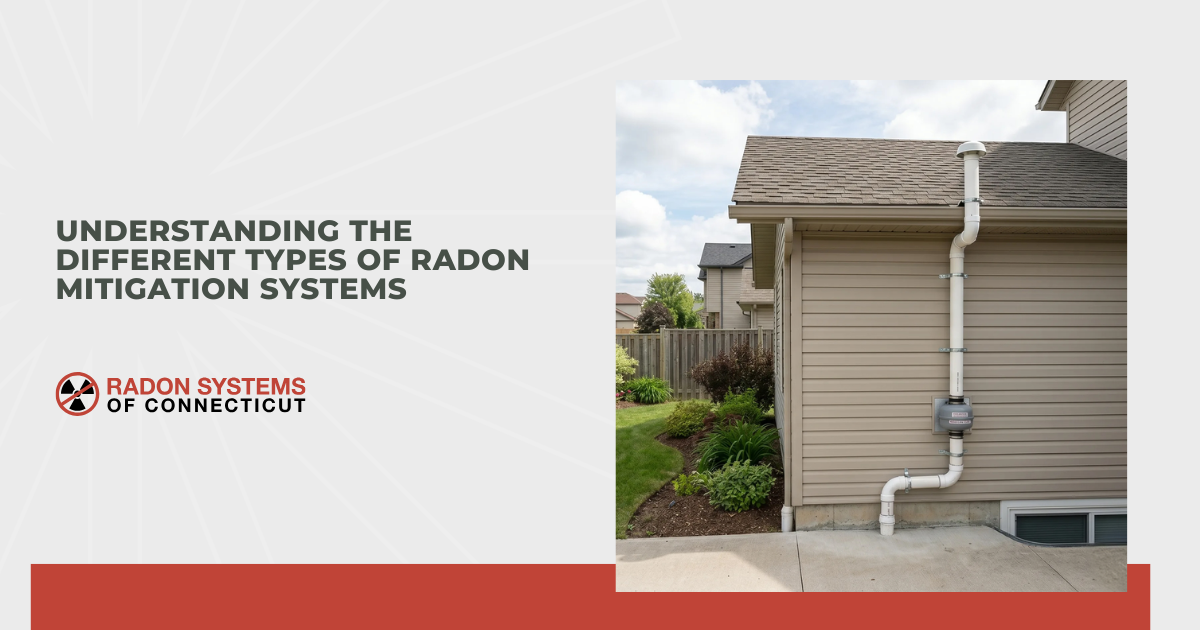
However, let’s not get too scientific here. The solution is to address all openings where radon is entering your home and pulling it outside with an exhaust fan. However, to address all the areas, it’s definitely something for the professionals to do to ensure you’re covering all your tracks.

Here are the most effective techniques for radon reduction:

  • Active Soil Depressurization - Interior Installation
  • Active Soil Depressurization - Exterior Installation
  • Crawlspace Sub-membrane Depressurization
  • Active Soil Depressurization - Slab

For detailed information on these techniques, check out our Radon Mitigation page.

Close-up of a microscope’s metal objective lenses under cool blue lighting.

Conclusion

Remember, Radon itself is NOT dangerous. Small amounts are normal and many studies show the risk of cancer is actually lower in homes with little radon than in a house with “NO” radon. However, with 20,000 lung cancer deaths a year and second to cigarettes, it can be a big deal for your long-term health. 


If you’d like to check the average levels of radon in the Connecticut area, go here. http://ct-radon.info/CT_counties.html If your county’s average is greater than the national average and there’s a potential to be in the red zone, it’s highly recommended to get a test done just to be on the safe side. So if you're in the Connecticut area, we can help!

Share this article

Recent Posts

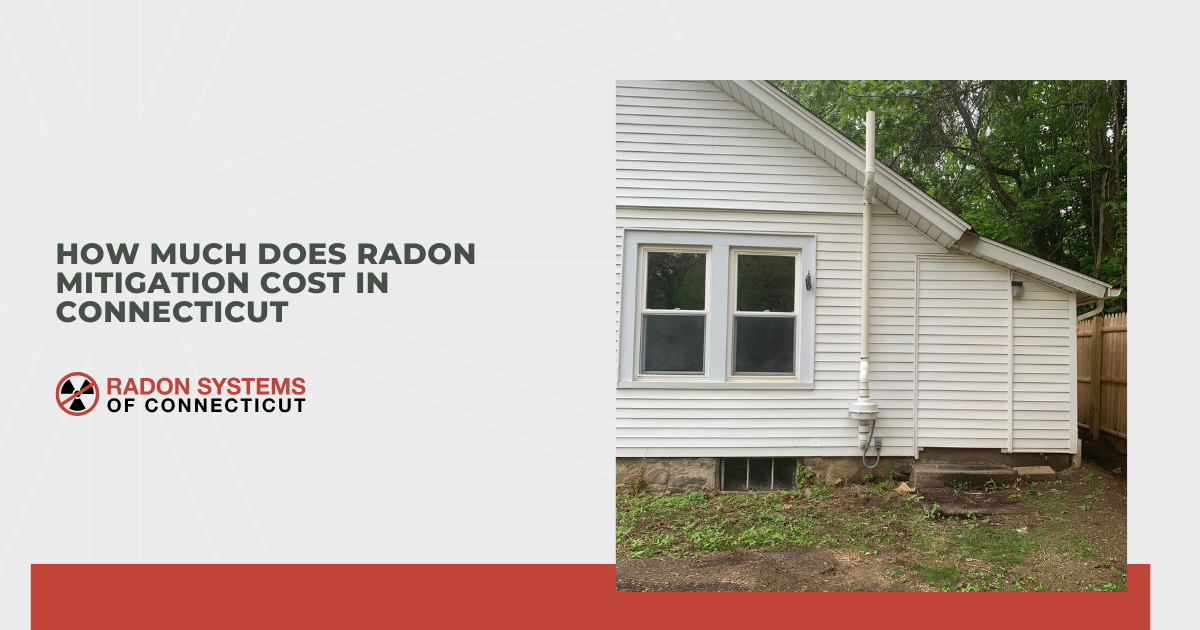
How Much Does Radon Mitigation Cost in Connecticut?
By Russell Monges June 8, 2026
Learn what affects radon mitigation costs in Connecticut, what to ask a licensed contractor, and how to feel prepared and confident going into the process.
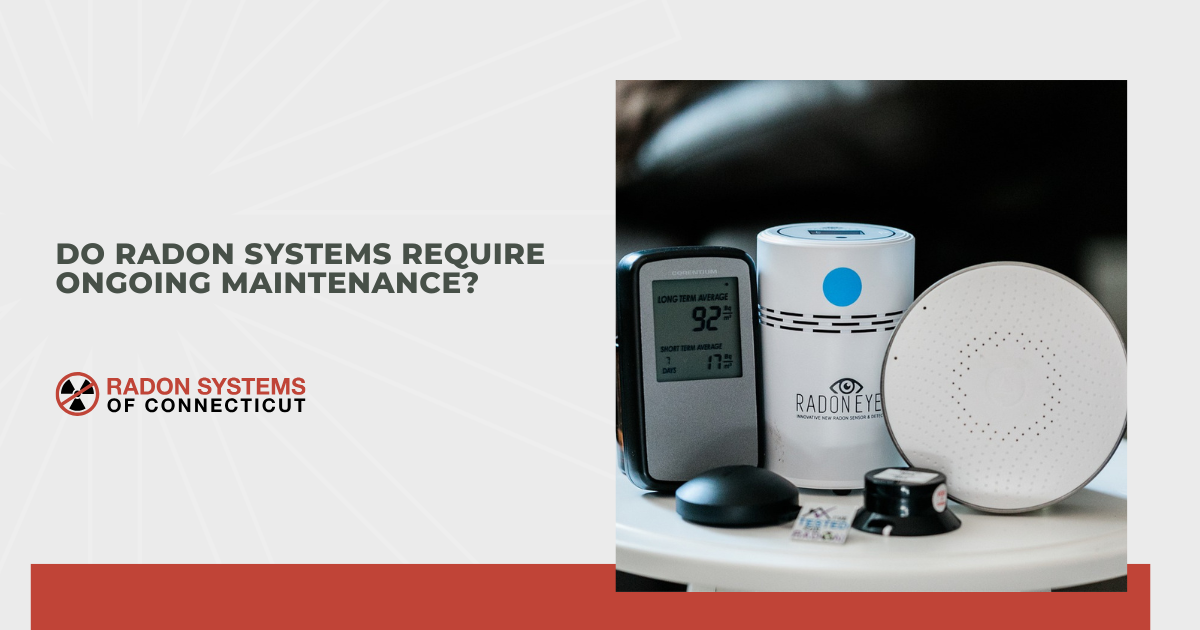
Do Radon Systems Require Ongoing Maintenance?
By Russell Monges May 14, 2026
Find out whether radon systems require ongoing maintenance, what to check regularly, and how to keep your system operating safely and efficiently year-round.
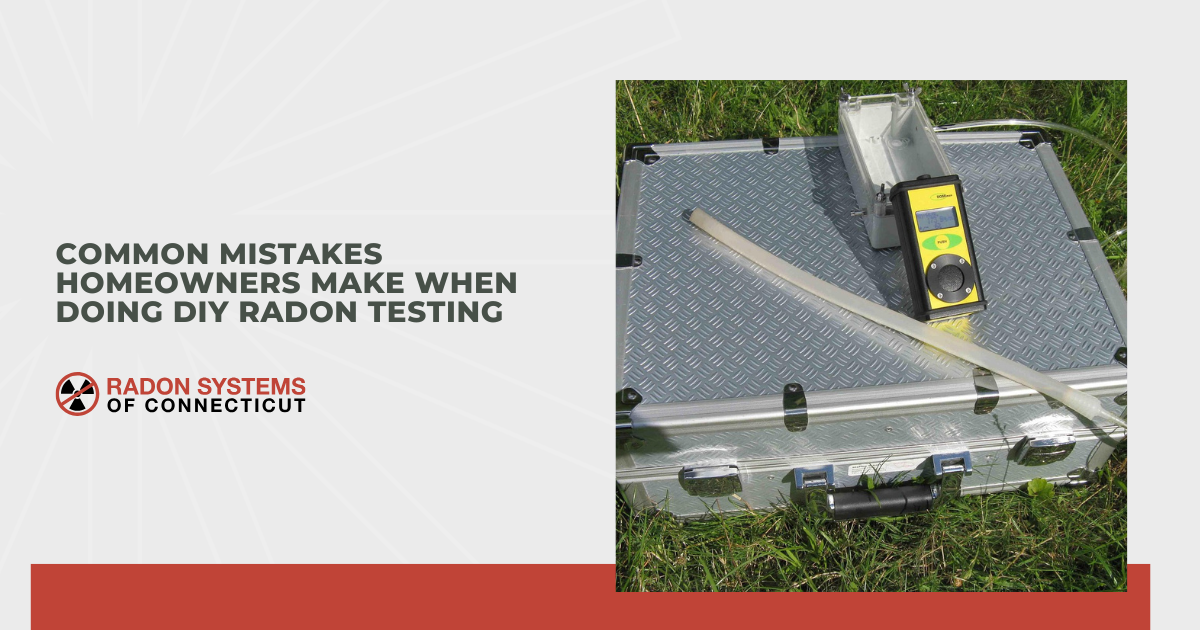
Common Mistakes Homeowners Make When Doing DIY Radon Testing
By Russell Monges May 14, 2026
Learn the most common mistakes homeowners make during DIY radon testing and how placement, timing, and conditions affect accurate indoor radon test results.
Prevention Through Radon Testing: Recognizing Radon Poisoning Signs
By Russell Monges May 14, 2026
Discover how radon testing helps prevent exposure and learn the key signs of radon poisoning so you can keep your home’s air safe for the people you love most.
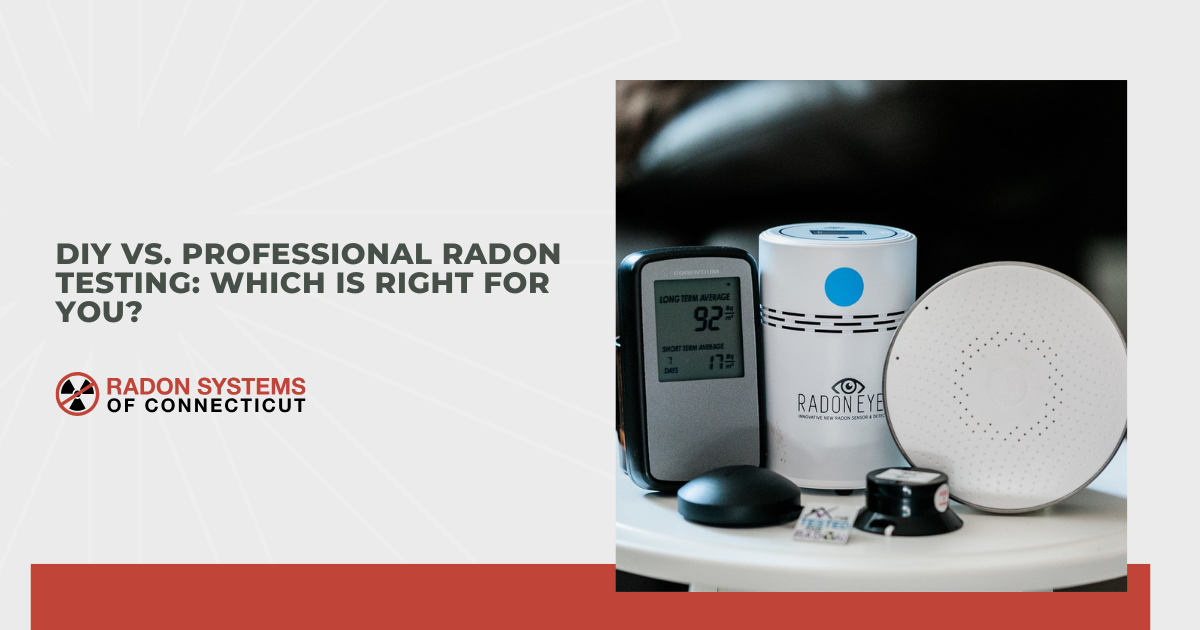
DIY vs. Professional Radon Testing: Which Is Right for You?
By Russell Monges May 14, 2026
Explore the key differences between DIY and professional radon testing in protecting your family, and discover which option is best your needs and budget.
How to Choose the Right Radon Mitigation System for Your Home
By Russell Monges May 14, 2026
Learn how to choose the right radon mitigation system for your home. Compare types, costs, and features to ensure safe indoor air and long-term protection.
Comparing Short-Term and Long-Term Radon Testing
By Russell Monges May 14, 2026
Radon testing is vital to maintain home health and safety. Explore both short- and long-term testing options to decide which one performs best for your needs.
How Radon Testing Can Prevent Long-Term Health Issues
By Russell Monges May 14, 2026
Radon testing is crucial for detecting harmful gas levels and preventing long-term health risks like lung cancer. Learn why every home needs radon testing.
Can Having a Radon System Boost Home Value?
By Russell Monges May 14, 2026
Improve air quality, safeguard your family, and elevate your property’s market value with a radon mitigation system that delivers clean air and long-term safety.
Recognizing the Signs: Why Radon Mitigation Is a Must
By Russell Monges May 14, 2026
Discover how to spot the signs of radon gas in your property. Know when it’s time to call the professionals for a radon mitigation.
Show More