Air Intruders: How Radon Sneaks into Your Home and Why Radon Testing Matters?

Russell Monges • May 14, 2026
Air Intruders: How Radon Sneaks into Your Home and Why Radon Testing Matters?

As you might imagine, radon testing and mitigation is very important not only to me but also to my clients. Radon is an odorless, colorless, and tasteless radioactive gas that can accumulate in homes. While you won’t notice radon right away, it poses a long-term danger in the form of lung damage, including lung cancer. 


In this article, I want to tackle the three reasons on why radon testing is important: 


  • Radon can happen anywhere
  • Radon testing is vital to a healthy home
  • Radon testing has health and financial benefits


If you’re interested in learning more about radon testing and mitigation, keep reading!


Radon Can Happen Anywhere

Radon is an issue in every state and in homes of every type and every age. It’s a common issue in Connecticut. The EPA has developed a map showing that the southern half of the state is more likely to be impacted by radon. However, this doesn’t mean that those in northern Connecticut or those in other states aren’t at risk; radon can happen anywhere. 


Radon generally enters a home through cracks in the foundation. These don’t necessarily come from aging homes or those in poor condition; gaps letting in radon can include construction joints, the spaces around pipes and utility lines, or even sump pumps. 


In some cases, water can be a source of radon. This is often the case when there’s a private well on the property, as the groundwater comes in through the faucet and then is released into the air from showering, washing dishes, and other activities involving hot water.

Radon Testing is Vital to a Healthy Home

As I mentioned earlier, radon gas is undetectable by the human eyes and nose. You wouldn’t have any idea that you have high radon levels in your home without having radon testing done. Unfortunately, the risk of developing lung cancer is too great to ignore the threat of radon.


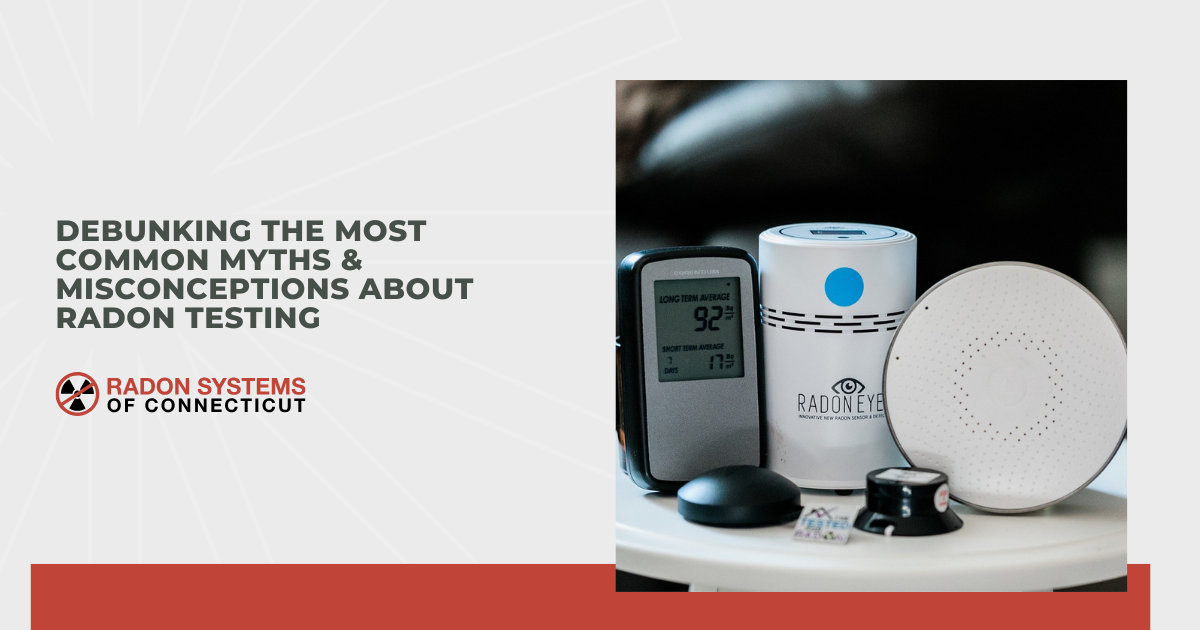
There are three types of radon testing that can outline your risk:


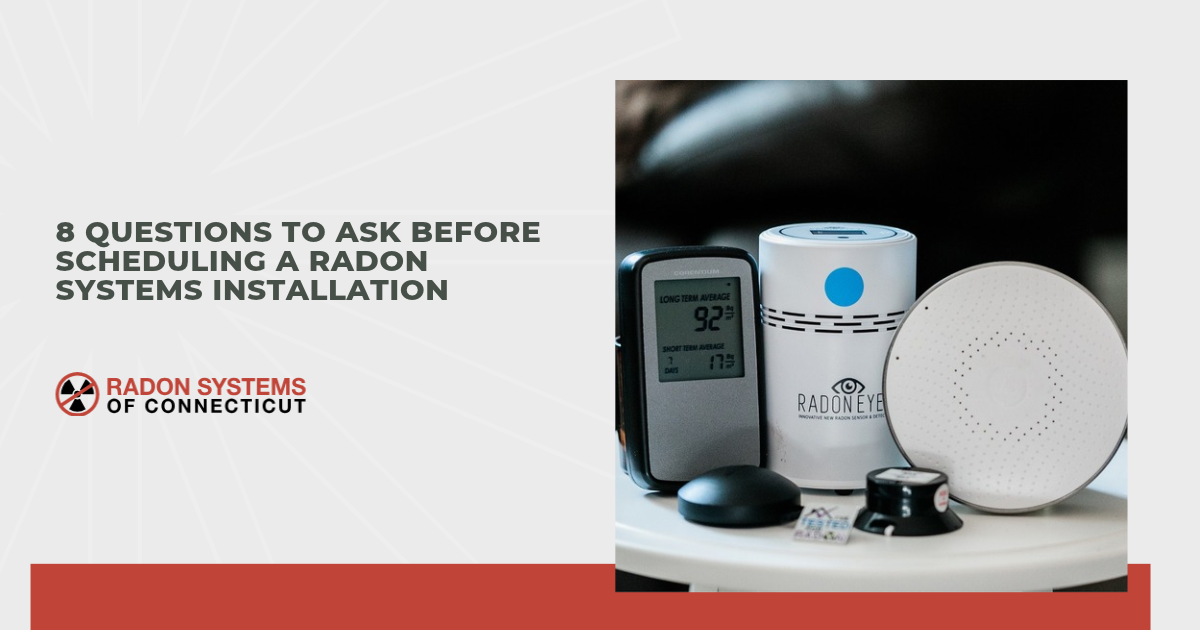
  • Short-term testing provides a snapshot of radon levels over a period of a few days, in most cases. This is good for an initial test to see whether you need more comprehensive testing.
  • Long-term testing can be done if your levels were borderline. This usually lasts a few weeks or months, and it offers a more accurate estimate of radon levels because it can span different seasons.
  • Continuous radon monitoring can be done if you want regular feedback on the radon levels in the home. If the levels spike during certain weather conditions, such as on a rainy day, this might be something you would want to explore.


Any of these, when looked at by a radon specialist, can help you determine whether you need radon mitigation.

Radon Testing has Health and Financial Benefits

The Environmental Protection Agency recommends having a radon test repeated every two years. This is important to ensure the system is still functioning as it’s supposed to. It can also serve as an early detection of mild malfunctions; if your radon levels are slowly going up, this would require some detective work to find out what the problem is.


Even more important, though, is that checking the radon levels in a home, whether or not there is a radon mitigation system in place, is an important safeguard for you and your family. Cumulative effects of radon exposure can lead to serious health effects, including lung cancer. The peace of mind knowing your system is working correctly and keeping your family safe is invaluable.

Maintain Good Ventilation

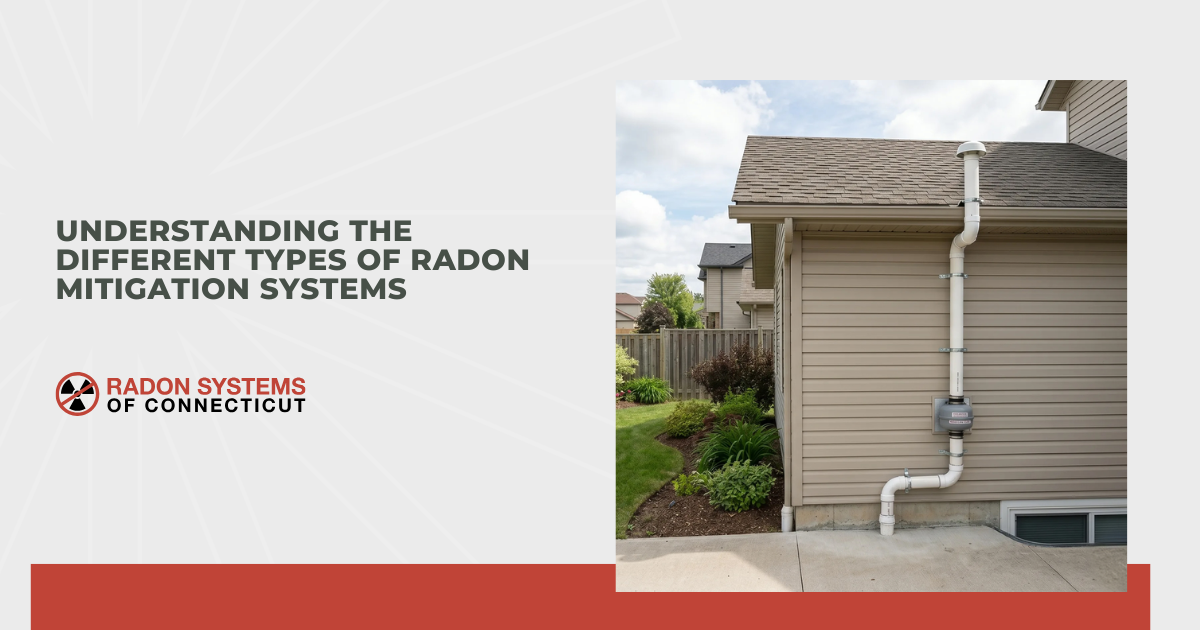
If you do have moderate to high radon levels, which are defined as 2 pCi/L to 4 pCi/L or higher, it’s in your best interest to have radon mitigation performed. There are a few different systems that I or a member of my team can explain to you, depending on the specifics of your home. The most common way to solve the problem is to create a vacuum that will prevent radon from entering your home. The system will also work to help vent radon gas that does enter the home.


Aside from protecting you and your family from future health problems, radon mitigation can also offer a financial benefit. If you’re planning to sell your home in the future, having a radon mitigation system can help avoid challenges. Most homebuyers, particularly those in our area, do want a radon test done, and if there’s already a system keeping the radon under control, that can help sell the home more quickly.


Conclusion

Having radon testing and, if warranted, mitigation, done is a good idea for your health and the health of your family members. When you call, my team can tell you about the best way to handle the testing process. If your levels do come back high, we can walk you through the options available. Your future is important, and we urge you to get in touch with us for your peace of mind and so you know whether you need to address an issue with this radioactive gas.

Sources

Share this article

Recent Posts

How Much Does Radon Mitigation Cost in Connecticut?
By Russell Monges June 8, 2026
Learn what affects radon mitigation costs in Connecticut, what to ask a licensed contractor, and how to feel prepared and confident going into the process.
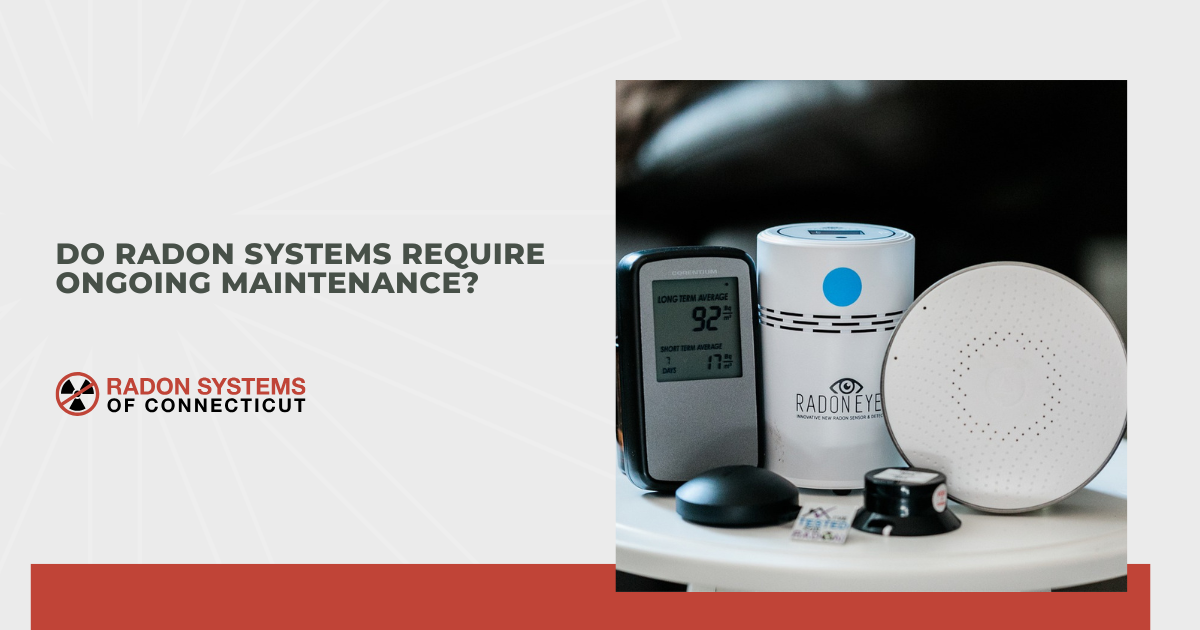
Do Radon Systems Require Ongoing Maintenance?
By Russell Monges May 14, 2026
Find out whether radon systems require ongoing maintenance, what to check regularly, and how to keep your system operating safely and efficiently year-round.
Common Mistakes Homeowners Make When Doing DIY Radon Testing
By Russell Monges May 14, 2026
Learn the most common mistakes homeowners make during DIY radon testing and how placement, timing, and conditions affect accurate indoor radon test results.
Prevention Through Radon Testing: Recognizing Radon Poisoning Signs
By Russell Monges May 14, 2026
Discover how radon testing helps prevent exposure and learn the key signs of radon poisoning so you can keep your home’s air safe for the people you love most.
DIY vs. Professional Radon Testing: Which Is Right for You?
By Russell Monges May 14, 2026
Explore the key differences between DIY and professional radon testing in protecting your family, and discover which option is best your needs and budget.
How to Choose the Right Radon Mitigation System for Your Home
By Russell Monges May 14, 2026
Learn how to choose the right radon mitigation system for your home. Compare types, costs, and features to ensure safe indoor air and long-term protection.
Comparing Short-Term and Long-Term Radon Testing
By Russell Monges May 14, 2026
Radon testing is vital to maintain home health and safety. Explore both short- and long-term testing options to decide which one performs best for your needs.
How Radon Testing Can Prevent Long-Term Health Issues
By Russell Monges May 14, 2026
Radon testing is crucial for detecting harmful gas levels and preventing long-term health risks like lung cancer. Learn why every home needs radon testing.
Can Having a Radon System Boost Home Value?
By Russell Monges May 14, 2026
Improve air quality, safeguard your family, and elevate your property’s market value with a radon mitigation system that delivers clean air and long-term safety.
Recognizing the Signs: Why Radon Mitigation Is a Must
By Russell Monges May 14, 2026
Discover how to spot the signs of radon gas in your property. Know when it’s time to call the professionals for a radon mitigation.
Show More