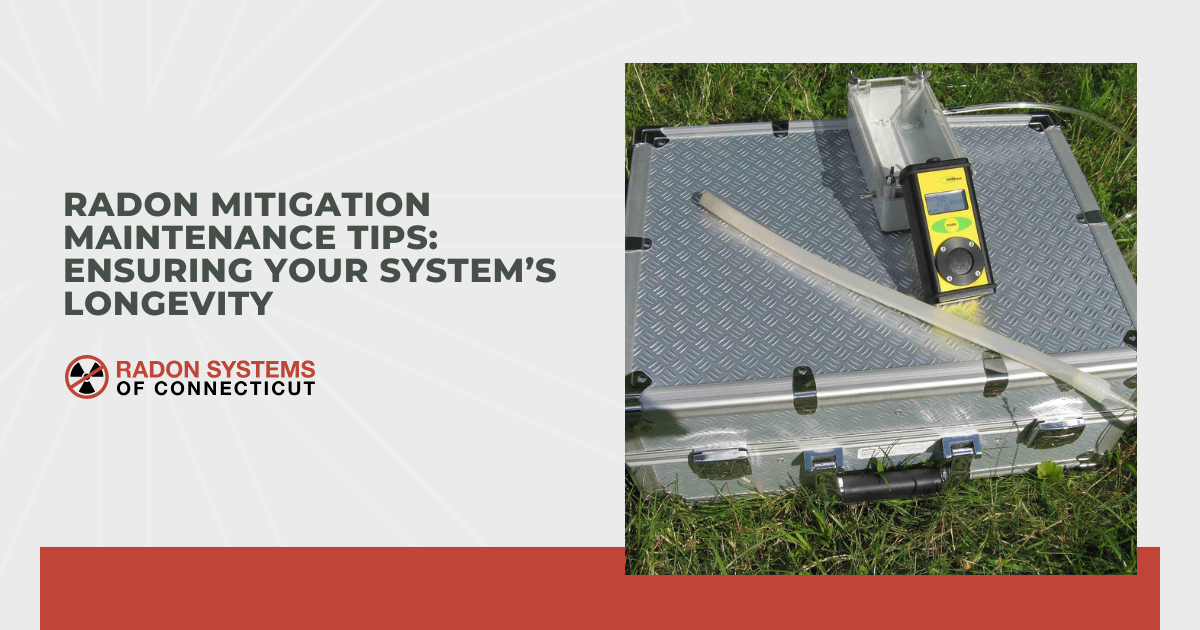
Radon Mitigation Maintenance Tips: Ensuring Your System’s Longevity

Russell Monges • May 14, 2026
DIY vs Professional Radon Testing: Differences, Pros, and Limitations

As a radon mitigation specialist, I do, of course, spend a lot of my time testing homes for radon and also installing radon-reducing equipment. My commitment doesn’t end there, though; I also want to ensure the longevity and performance of the radon systems installed in my clients’ homes. If you’ve invested in a radon system, it’s important to know how to keep it running in tip-top condition, so it can handle the task of keeping your family safe from the effects of radon.


Here are some of the ways I recommend homeowners maintain their radon mitigation systems:


  • Have regular inspections
  • Listen for faulty fan operation
  • Monitor radon levels periodically
  • Maintain good ventilation 


Since you’ve had your radon issue addressed, it only makes sense to make sure your radon levels continue to stay low. Let’s explore these maintenance measures more closely.


Have Regular Inspections

While you shouldn’t be worrying about your radon mitigation system on a regular basis, they’re not exactly “set it and forget it forever.” Your system should have an annual checkup by a professional. Remember, radon gas is odorless and colorless, so you wouldn’t necessarily know if your home’s levels were rising. These systems do come with a warning device that will tell you if there’s a gross malfunction, but it’s still a good idea to have regular inspections done.


Each year or two, you can have a system evaluation that will include taking a close look at the fans, piping, sealing, and other components. Your radon professional will also check for wear and tear; rust and corrosion can affect the efficiency of the system. Also, they can make sure the system is still in compliance with regulations, which do change at times. In some cases, an adjustment or upgrade might be necessary.

Listen for Faulty Fan Operation

The fan in your radon system is what’s most responsible for making sure your radon levels stay low. If you listen closely, you should hear a low-level humming sound. Get to know what it sounds like when the system is new or after an inspection. That way, if it changes later, you can alert your mitigation team.


You might hear a grinding or rattling sound; these can indicate problems with the fan. If the sound gets louder or quieter than usual, there might be a change in the suction power, which can affect efficiency. Other sounds might be signs of a loose component or imbalance of some sort within the system. Report any strange noises that you hear to your radon specialist.

Monitor Radon Levels Periodically

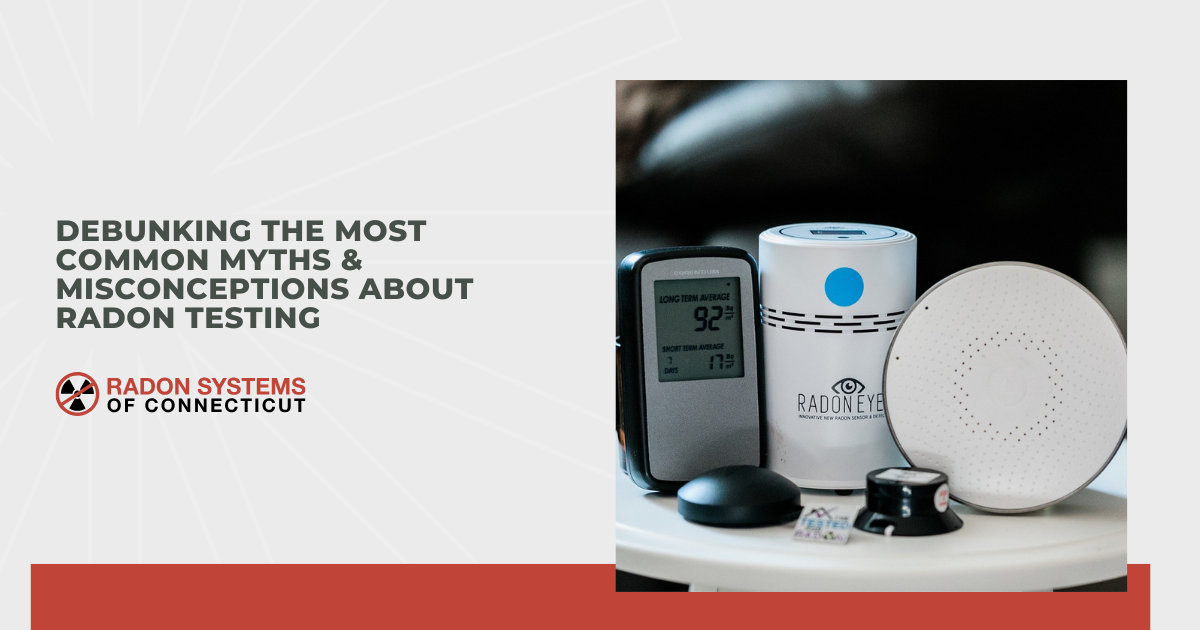
The Environmental Protection Agency recommends having a radon test repeated every two years. This is important to ensure the system is still functioning as it’s supposed to. It can also serve as an early detection of mild malfunctions; if your radon levels are slowly going up, this would require some detective work to find out what the problem is.


Even more important, though, is that checking the radon levels in a home, whether or not there is a radon mitigation system in place, is an important safeguard for you and your family. Cumulative effects of radon exposure can lead to serious health effects, including lung cancer. The peace of mind knowing your system is working correctly and keeping your family safe is invaluable.

Maintain Good Ventilation

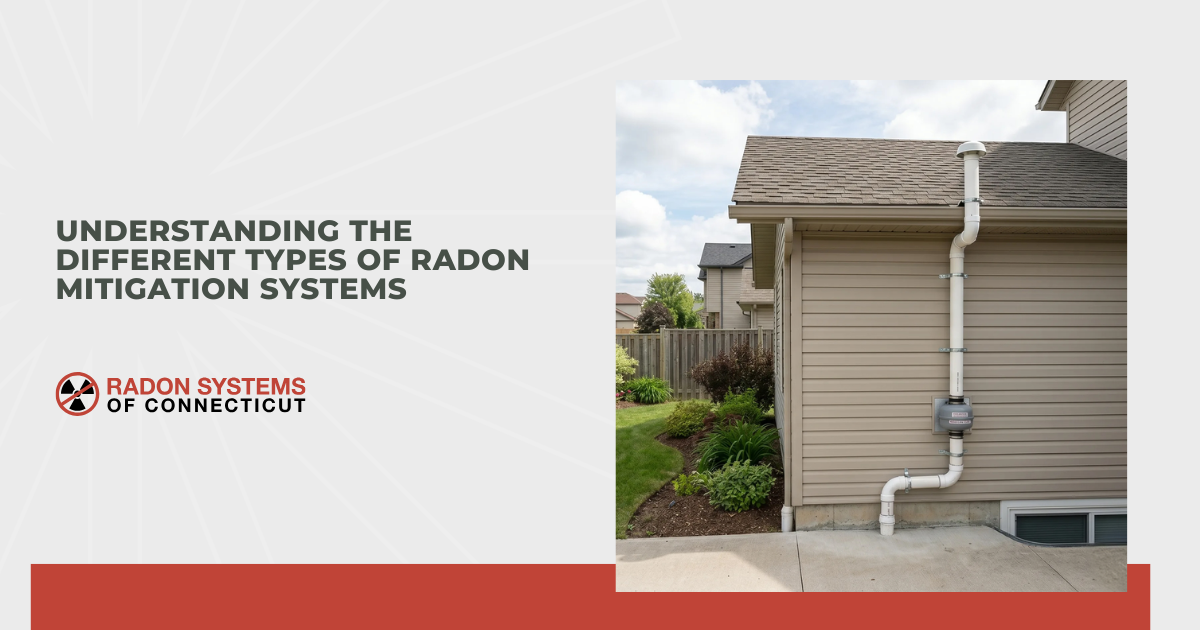
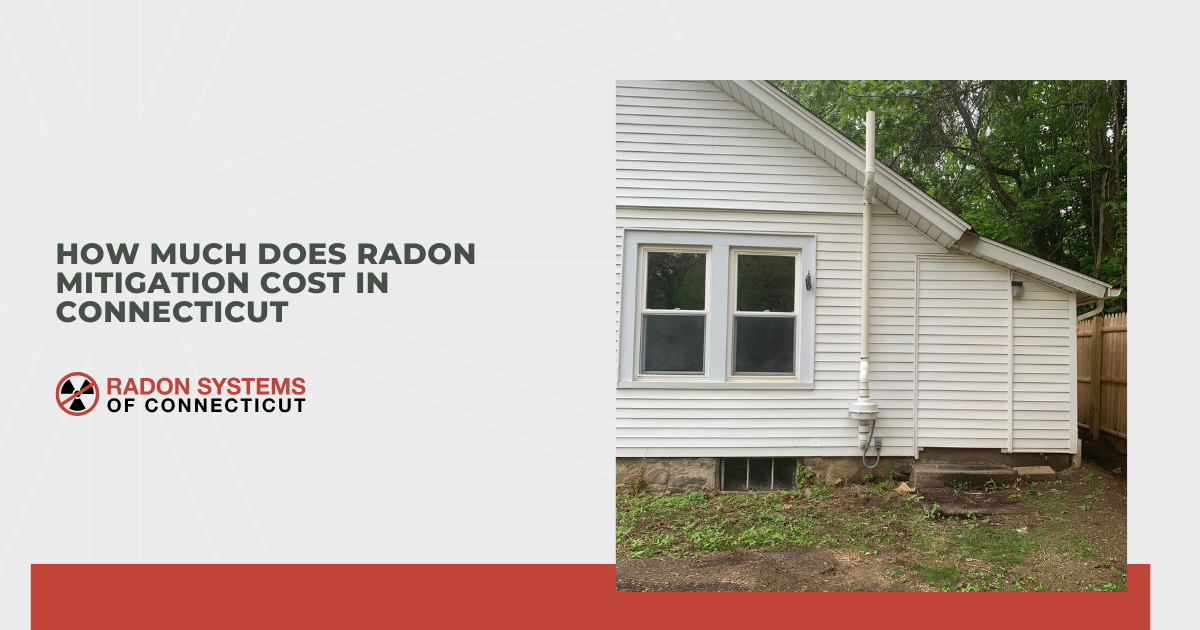
The way a radon mitigation system works is to move contaminated air out of the home, usually via exhaust outlets. It’s important to keep these outlets clear from debris and blockages; if the pipes become clogged, there’s nowhere for the gas to go other than back into your home. Know where your exhaust pipes are, and keep them free from weeds, dirt, and other debris.


Also, don’t stack items around an indoor radon system. Keep the immediate vicinity free, and discourage pets and children from going near it to prevent any issues. Consider it a working appliance in your home that needs some clearance between it and anything else you want to store in the area.


Conclusion

Keeping your radon mitigation system working properly isn’t a cumbersome task. Have regular inspections done, repeat the radon testing every couple of years, keep your ear out for any issues with the fan, and make sure the area surrounding the exhaust pipes remains clear. Talk to my team if you have any other questions about good radon system maintenance.

Sources

Share this article

Recent Posts

How Much Does Radon Mitigation Cost in Connecticut?
By Russell Monges June 8, 2026
Learn what affects radon mitigation costs in Connecticut, what to ask a licensed contractor, and how to feel prepared and confident going into the process.
Do Radon Systems Require Ongoing Maintenance?
By Russell Monges May 14, 2026
Find out whether radon systems require ongoing maintenance, what to check regularly, and how to keep your system operating safely and efficiently year-round.
Common Mistakes Homeowners Make When Doing DIY Radon Testing
By Russell Monges May 14, 2026
Learn the most common mistakes homeowners make during DIY radon testing and how placement, timing, and conditions affect accurate indoor radon test results.
Prevention Through Radon Testing: Recognizing Radon Poisoning Signs
By Russell Monges May 14, 2026
Discover how radon testing helps prevent exposure and learn the key signs of radon poisoning so you can keep your home’s air safe for the people you love most.
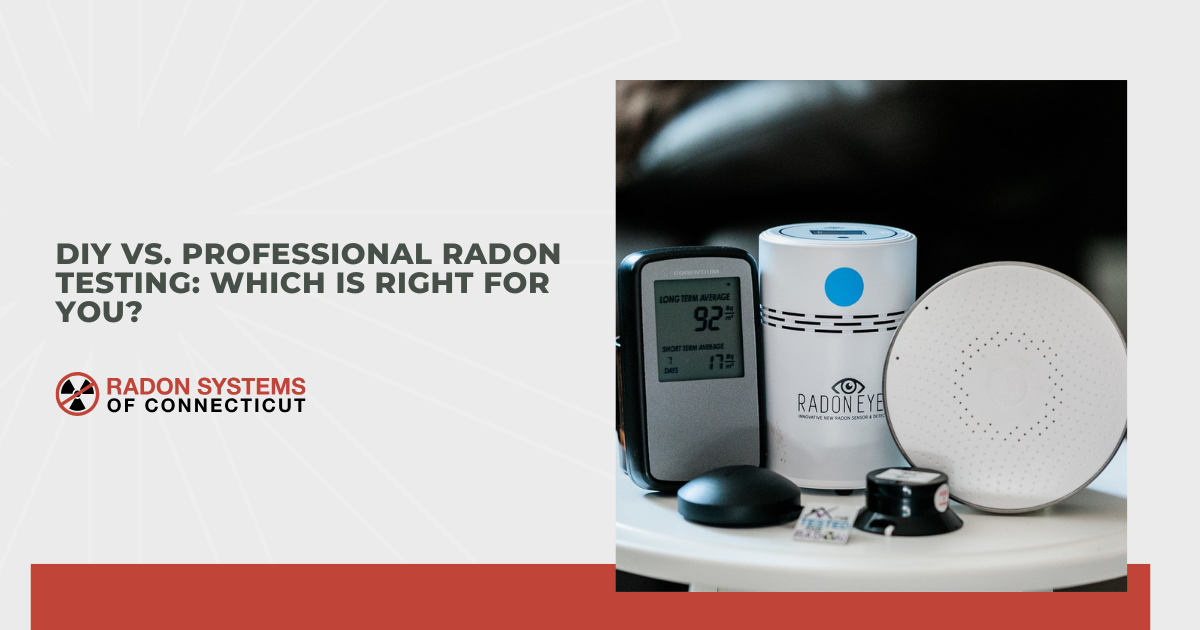
DIY vs. Professional Radon Testing: Which Is Right for You?
By Russell Monges May 14, 2026
Explore the key differences between DIY and professional radon testing in protecting your family, and discover which option is best your needs and budget.
How to Choose the Right Radon Mitigation System for Your Home
By Russell Monges May 14, 2026
Learn how to choose the right radon mitigation system for your home. Compare types, costs, and features to ensure safe indoor air and long-term protection.
Comparing Short-Term and Long-Term Radon Testing
By Russell Monges May 14, 2026
Radon testing is vital to maintain home health and safety. Explore both short- and long-term testing options to decide which one performs best for your needs.
How Radon Testing Can Prevent Long-Term Health Issues
By Russell Monges May 14, 2026
Radon testing is crucial for detecting harmful gas levels and preventing long-term health risks like lung cancer. Learn why every home needs radon testing.
Can Having a Radon System Boost Home Value?
By Russell Monges May 14, 2026
Improve air quality, safeguard your family, and elevate your property’s market value with a radon mitigation system that delivers clean air and long-term safety.
Recognizing the Signs: Why Radon Mitigation Is a Must
By Russell Monges May 14, 2026
Discover how to spot the signs of radon gas in your property. Know when it’s time to call the professionals for a radon mitigation.
Show More