The Different Types of Radon Mitigation and How They Work

Russell Monges • May 8, 2026

Whether you live in Hartford, New Haven, or anywhere else across Connecticut, you might be concerned about radon. Radon gas is a carcinogen that puts you and your family at risk of lung cancer if it’s present inside your home. If you have had radon testing performed in your home and have found that radon is present, it’s critical to get started with radon mitigation right away. There are a few different methods that are commonly used for radon mitigation. Learn a little more about them so that you’ll know how our radon mitigation team can help reduce the levels of radon in your home.


Active Soil Depressurization (Interior)

Since this is the most popular form of radon mitigation, it might just be the mitigation option that is used for your home. This is a popular option for a few reasons; it’s effective in most homes, and it doesn’t involve installing pipes outdoors. Since you might not like the look of pipes on the exterior of your home or since you might be concerned about them being damaged by the weather, an interior system might be most appealing to you.


Before you can understand how an active soil depressurization system works, you must first understand why radon is such a common household problem. Buildings -- such as your home -- create negative pressure that can draw radon gas inside. With the right radon mitigation system, air can be drawn in from underneath the home and can then be released above the roof.


Typically, pipes will be installed in either your basement or your garage. These pipes will run through the closets throughout your home so that they are out of the way, and they will lead to a fan that is installed in your attic. The rooftop fan is similar in appearance to a plumbing stack and shouldn’t impact your home’s curb appeal too much.


Since radon gas will be drawn out with this system and released above your home, the radon will be expelled outside of the home rather than within it. This will help reduce the current radon levels within your home, instantly making it safer for you and your family. Plus, in the future, you should not have to worry about the radon entering your home, as long as the system is properly installed and maintained.


With this type of system, a system monitor will be put in place near the vent line in either your basement or one of your household closets. This system monitor will allow you to keep an eye on the system to make sure that it’s functioning properly.

Active Soil Depressurization (Exterior)

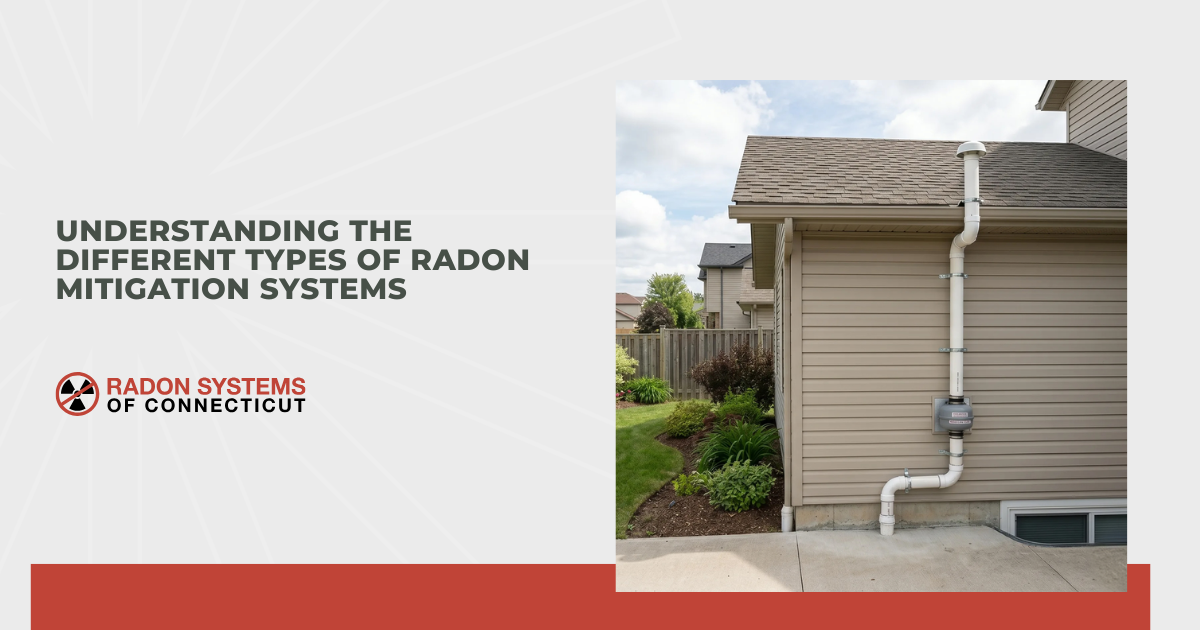
A similar type of system as the one listed above can also be installed outside of your home rather than inside of it. The pipes will be installed on the outside foundation of your house. Then, a fan will be installed at ground level so that it can push the radon gas from the foundation area of your home through the pipes.


Again, as with a unit that is installed inside of your home, the goal of this type of system is to release the radon gas at the roof level.


With exterior active soil depressurization, you do not have to worry about having pipes running through the closets inside your home. If you’re worried about how this might impact your home’s curb appeal, you can ask to have the pipes installed along a certain area of your home, where they will not be as visible. Many people choose to paint these pipes, too, so that they can blend in with their homes or complement them.


These systems are not quite as popular as interior systems, but there are some situations when they are best. In some cases, for example, an interior system simply will not work because of the layout of the home. If this system is installed, then the system monitor will be placed at the lowest level of the building.

Active Soil Depressurization (Slab)

If your home has a slab foundation, this might be the radon mitigation option that is used. Somewhere in the slab of your home, a hole that is about four to six inches in size will be drilled into the slab. After that hole has been cleaned out, a PVC pipe will be installed, with the end of the pipe placed in the hole. This pipe will be routed to your home’s roof line. Then, any radon gas that is removed from the slab will be directed above the top of your home. Again, you can choose to have the pipe installed in an inconspicuous place in many cases if you are worried about how your home’s curb appeal will be affected, and painting is an option as well.

Crawlspace Sub-Membrane Depressurization

Although active soil depressurization is a very popular and effective radon mitigation option that is done in multiple ways, it’s not the only method. Another method that is used is crawlspace sub-membrane depressurization.


Because it is pressure that causes radon gas to find its way into your home, reducing air pressure can help prevent radon from being a problem, too. This is the goal of this form of radon mitigation.


The air pressure in the crawlspace area underneath your home is lowered with the use of a fan. This fan will draw the air up from your crawlspace area. Then, the air is drawn through an attached PVC pipe and routed to the roofing system of your home.

If radon is a concern within your home, then taking radon mitigation steps is very important. Of course, the right radon mitigation step is going to depend on your home and its individual challenges. The layout of your home will be taken into consideration, for example, as well as the type of foundation that is in place. Contact Radon Systems of Connecticut today, and we’ll talk to you more about getting your home tested and the different types of radon mitigation systems that we install. Then we can help you pick a system and method that will be right for your home.

Share this article

Recent Posts

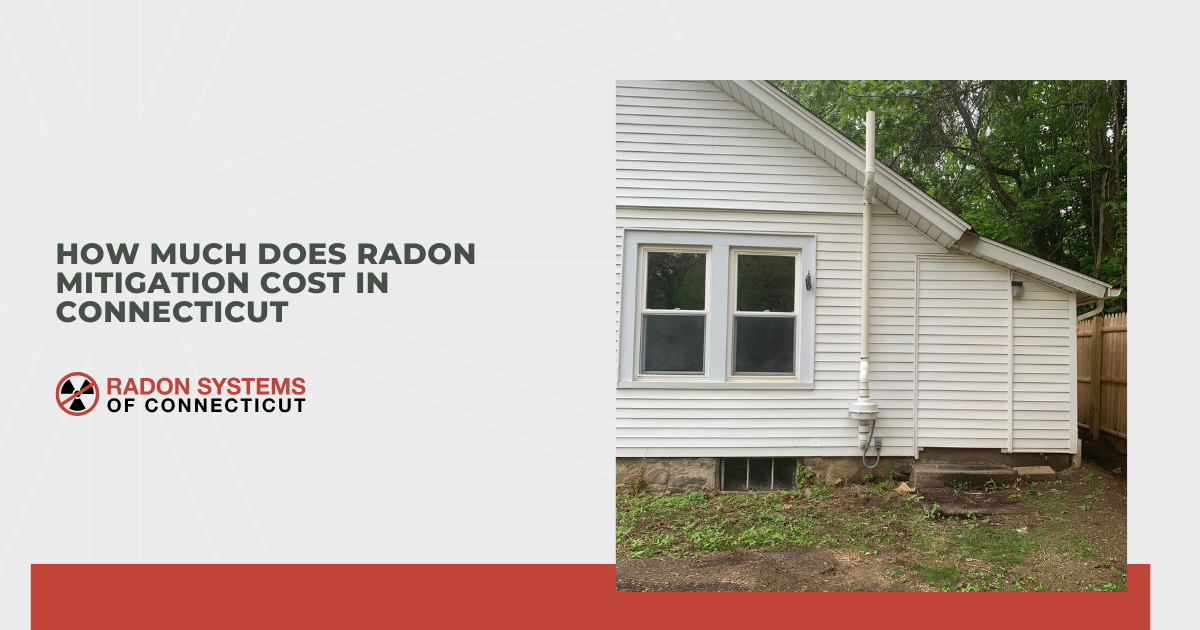
How Much Does Radon Mitigation Cost in Connecticut?
By Russell Monges June 8, 2026
Learn what affects radon mitigation costs in Connecticut, what to ask a licensed contractor, and how to feel prepared and confident going into the process.
Do Radon Systems Require Ongoing Maintenance?
By Russell Monges May 14, 2026
Find out whether radon systems require ongoing maintenance, what to check regularly, and how to keep your system operating safely and efficiently year-round.
Common Mistakes Homeowners Make When Doing DIY Radon Testing
By Russell Monges May 14, 2026
Learn the most common mistakes homeowners make during DIY radon testing and how placement, timing, and conditions affect accurate indoor radon test results.
Prevention Through Radon Testing: Recognizing Radon Poisoning Signs
By Russell Monges May 14, 2026
Discover how radon testing helps prevent exposure and learn the key signs of radon poisoning so you can keep your home’s air safe for the people you love most.
DIY vs. Professional Radon Testing: Which Is Right for You?
By Russell Monges May 14, 2026
Explore the key differences between DIY and professional radon testing in protecting your family, and discover which option is best your needs and budget.
How to Choose the Right Radon Mitigation System for Your Home
By Russell Monges May 14, 2026
Learn how to choose the right radon mitigation system for your home. Compare types, costs, and features to ensure safe indoor air and long-term protection.
Comparing Short-Term and Long-Term Radon Testing
By Russell Monges May 14, 2026
Radon testing is vital to maintain home health and safety. Explore both short- and long-term testing options to decide which one performs best for your needs.
How Radon Testing Can Prevent Long-Term Health Issues
By Russell Monges May 14, 2026
Radon testing is crucial for detecting harmful gas levels and preventing long-term health risks like lung cancer. Learn why every home needs radon testing.
Can Having a Radon System Boost Home Value?
By Russell Monges May 14, 2026
Improve air quality, safeguard your family, and elevate your property’s market value with a radon mitigation system that delivers clean air and long-term safety.
Recognizing the Signs: Why Radon Mitigation Is a Must
By Russell Monges May 14, 2026
Discover how to spot the signs of radon gas in your property. Know when it’s time to call the professionals for a radon mitigation.
Show More