What Homeowners Need to Know About Radon Mitigation

Russell Monges • May 8, 2026

You might have recently heard about someone whose home had high levels of radon, or you might have read about home radon issues online. Having radon in the home isn’t something that a lot of homeowners think about, but it’s an issue that you should be aware of, particularly in Connecticut, where the risk of having radon in the home is high. These are some of the main things that you should know about the presence of radon and the process of radon mitigation if you are a homeowner.


Radon Testing is the Only Way to Detect Radon

If you have never noticed any strange odors in your home, if you live in a newer home, or if you’ve never noticed any clues of radon presence, then you might not think that you have anything to worry about. One of the most frightening things about having high levels of radon in the home, however, is that most homeowners don’t know about it at all.


Radon is odorless, and it doesn’t leave behind any visible signs of its presence. It can take a very long time for homeowners to even realize that it’s a problem and often the first sign is a health problem in a household member.


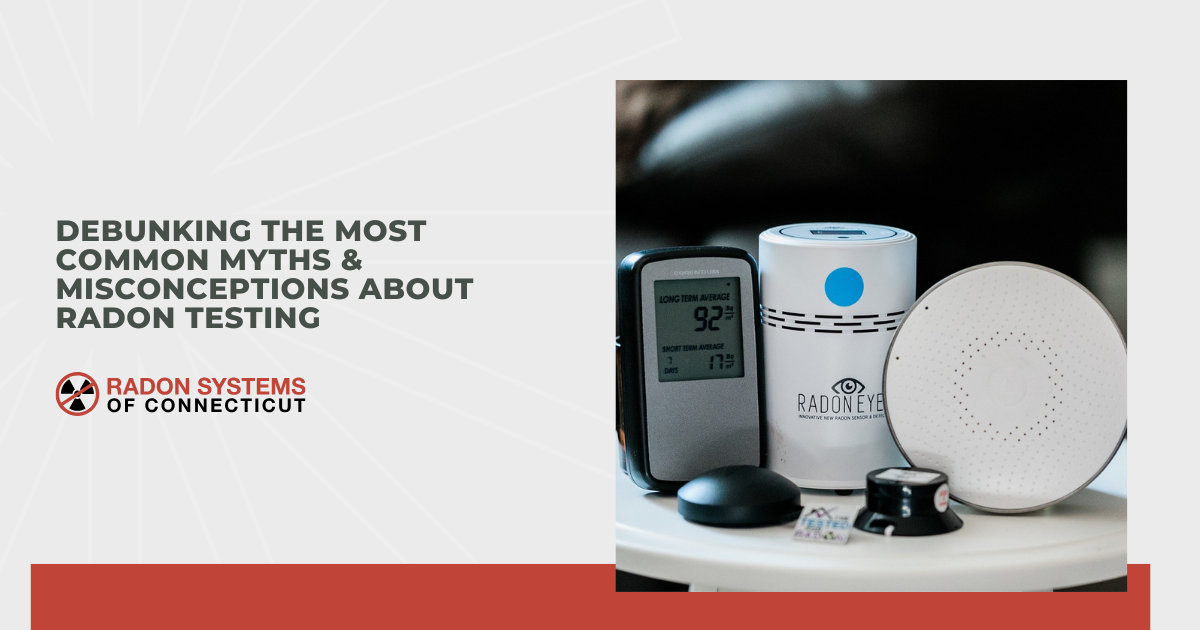
The only way that you can detect radon in your home is with radon testing. There are a couple of options for this:


If you’re nervous about the possibility of high levels of radon in your home and if you want fast, accurate results, then you may want to hire a professional radon mitigation company. These companies use either a passive or active test to detect the presence of radon. Either testing method can work, but active testing is more expensive. You must have electrical power in the home for an active test, since a monitoring device is used to monitor the presence of radon in the home. If you’re having testing done in a home that doesn’t have electrical power -- such as if it’s a home that you’re thinking about buying that has had the electricity turned off -- then a passive test is the only professional option.


Do-it-yourself testing can also be used to detect the presence of radon in the home. With a DIY test, you must use a radon testing kit, which can be purchased from a home improvement store. It’s essential to follow the directions for the test very carefully so that you will get accurate results. For example, the instructions might say to keep the doors and windows of the home closed for a certain period of time before performing the test. Once you have performed the test, you will send your sample to a lab, which will contact you with your results. This type of test is not as accurate as the kind a professional company would use.

High Levels of Radon are Dangerous for Your Family

Did you know that radon is actually one of the leading causes of lung cancer, second only to cigarette smoking? It actually contributes to the death of more than 20,000 people per year. Radon poisoning is something that happens slowly in most cases, and it could be too late before you discover its devastating side effects.


Because of the dangers of radon, it is something that you should take seriously. Performing a radon test and then focusing on radon mitigation, if needed, is essential if you want to keep your family safe.

Radon is a More Common Problem Than You Might Think

Even though radon poisoning is something that a lot of people aren’t aware of, it’s a much more common problem than you might realize. There is a solid chance that your home or one of the homes in your neighborhood has a high level of radon, even if you or the homeowner don’t know it. Southern Connecticut is particularly prone to having high levels of radon, and the northern part of the state is by no means immune to the danger.


Almost one out of every 15 homes in the United States is has elevated radon levels. Although it is a more common problem in some parts of the state than others, radon is present in every part of Connecticut and every part of the country. It doesn't matter where you live or how little you might have heard about radon exposure, it’s key to have your home tested for elevated radon levels if you have not done so already.

Radon Remediation is Not Something You Should DIY

Although a professional radon test is your best bet for accurate results, there is nothing wrong with doing an at-home test, as long as you follow the directions to the letter. However, even though do-it-yourself radon testing is possible, do-it-yourself radon mitigation is something else entirely. For your safety, you need to hire a professional radon mitigation company to handle this.


First of all, you will have to determine the cause of the high levels of radon in your home. For someone who doesn’t know much or anything about this issue, it would be nearly impossible. The elevated radon levels could be caused by cracks in your home’s foundation, for example, or it could be caused by your family’s use of well water. Natural stone -- such as granite -- can even cause high levels of radon when used in your home. 


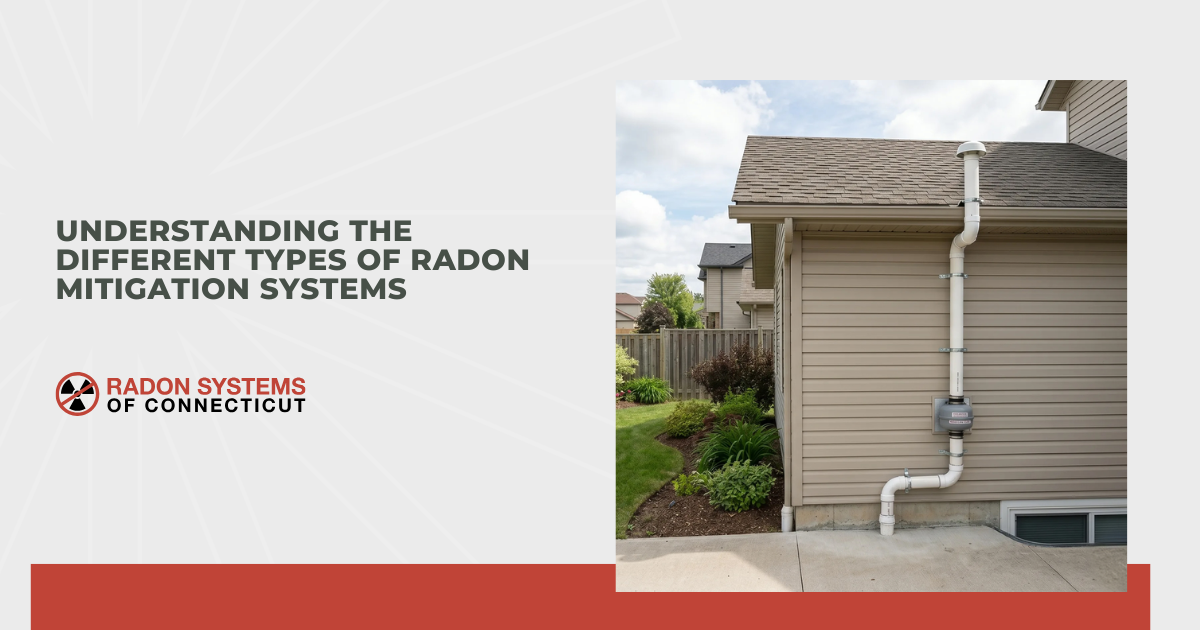
If you hire a professional for radon mitigation, they will determine the cause of the elevated radon levels in your home. The professional will focus on eliminating causes of radon in your home -- such as by sealing up cracks in your foundation -- and will also install a radon mitigation system. There are several types of mitigation systems available, and your radon specialist will go over the options with you.

Follow-Up Radon Tests Are a Necessity

Once radon mitigation steps have been taken in your home, you might not think that you have anything to worry about. However, it is never a good idea to take your chances once you know that high levels of radon have been a problem in your home.


The best thing that you can do to protect yourself and your family is to do another radon test of your home after the radon mitigation has been completed. This way, you can make sure that the radon levels in your home are at a safe level. Performing additional testing every few years can help you make sure that your home’s radon levels do not get higher than they should be again.


As a homeowner, it is critical to be aware of the dangers of radon and about the testing and mitigation steps that can be taken in your home. Then, you can take the necessary steps to maintain a safe household for you and your family.

Share this article

Recent Posts

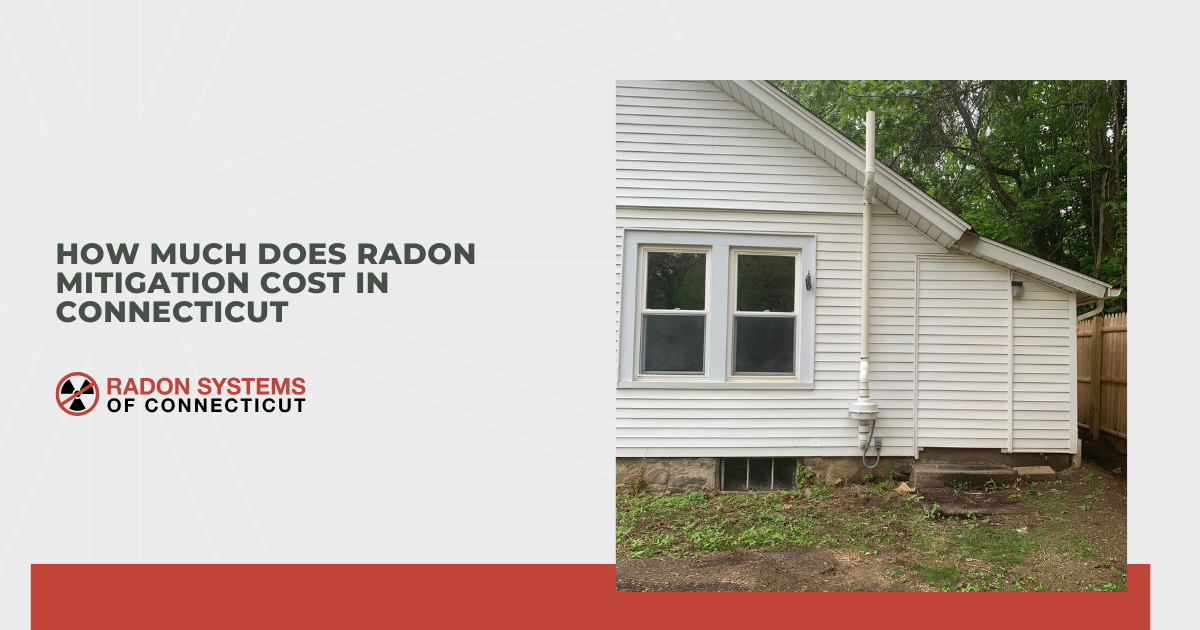
How Much Does Radon Mitigation Cost in Connecticut?
By Russell Monges June 8, 2026
Learn what affects radon mitigation costs in Connecticut, what to ask a licensed contractor, and how to feel prepared and confident going into the process.
Do Radon Systems Require Ongoing Maintenance?
By Russell Monges May 14, 2026
Find out whether radon systems require ongoing maintenance, what to check regularly, and how to keep your system operating safely and efficiently year-round.
Common Mistakes Homeowners Make When Doing DIY Radon Testing
By Russell Monges May 14, 2026
Learn the most common mistakes homeowners make during DIY radon testing and how placement, timing, and conditions affect accurate indoor radon test results.
Prevention Through Radon Testing: Recognizing Radon Poisoning Signs
By Russell Monges May 14, 2026
Discover how radon testing helps prevent exposure and learn the key signs of radon poisoning so you can keep your home’s air safe for the people you love most.
DIY vs. Professional Radon Testing: Which Is Right for You?
By Russell Monges May 14, 2026
Explore the key differences between DIY and professional radon testing in protecting your family, and discover which option is best your needs and budget.
How to Choose the Right Radon Mitigation System for Your Home
By Russell Monges May 14, 2026
Learn how to choose the right radon mitigation system for your home. Compare types, costs, and features to ensure safe indoor air and long-term protection.
Comparing Short-Term and Long-Term Radon Testing
By Russell Monges May 14, 2026
Radon testing is vital to maintain home health and safety. Explore both short- and long-term testing options to decide which one performs best for your needs.
How Radon Testing Can Prevent Long-Term Health Issues
By Russell Monges May 14, 2026
Radon testing is crucial for detecting harmful gas levels and preventing long-term health risks like lung cancer. Learn why every home needs radon testing.
Can Having a Radon System Boost Home Value?
By Russell Monges May 14, 2026
Improve air quality, safeguard your family, and elevate your property’s market value with a radon mitigation system that delivers clean air and long-term safety.
Recognizing the Signs: Why Radon Mitigation Is a Must
By Russell Monges May 14, 2026
Discover how to spot the signs of radon gas in your property. Know when it’s time to call the professionals for a radon mitigation.
Show More