What Does Radon Testing Involve?

Russell Monges • May 12, 2026
What Does Radon Testing Involve?

Whether it’s through floor cracks, construction joints, wall cavities, service pipes, or even the water supply, radon has a lot of ways to invade your home. If you’re thinking of testing your property for radon, you want to know what such a test involves. How does the process of radon testing work?


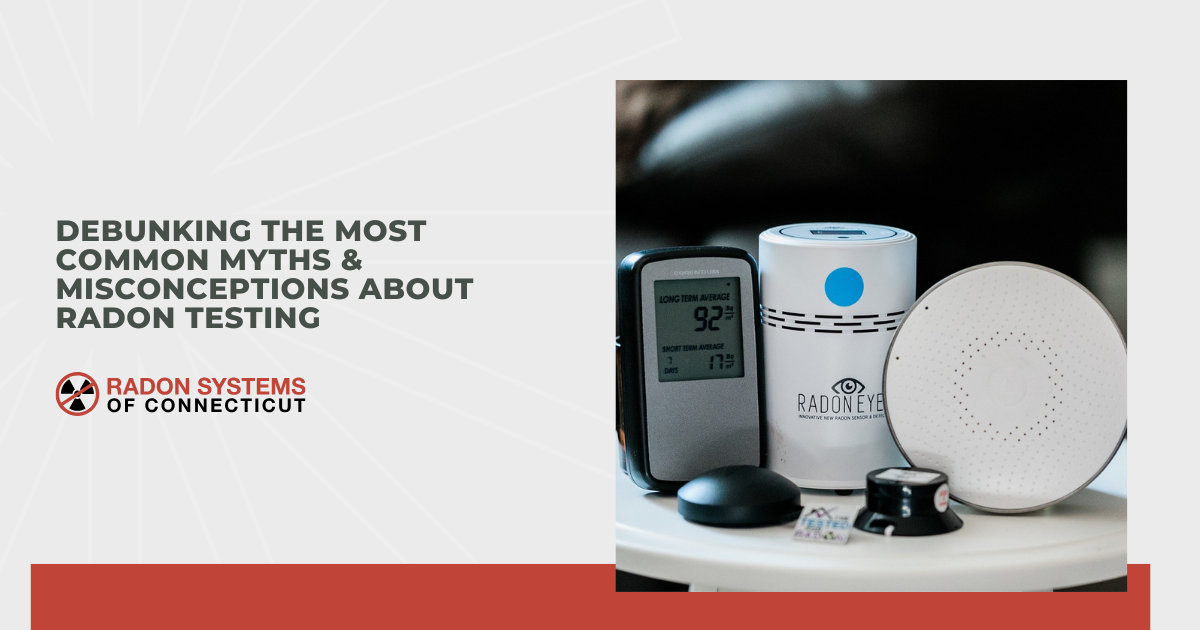
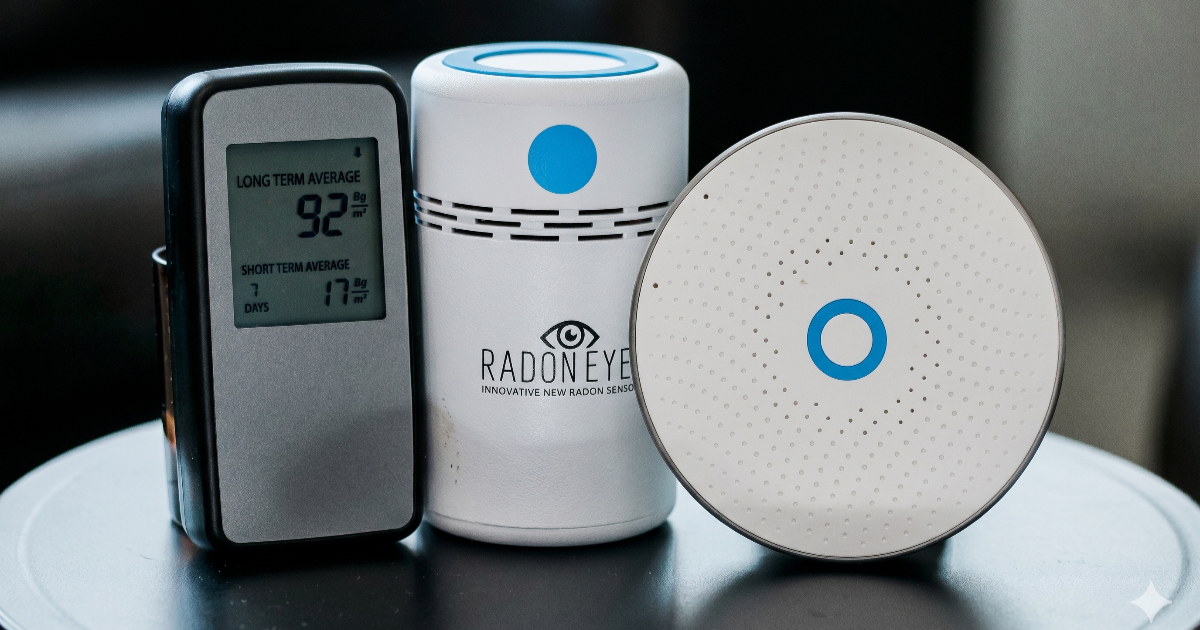
Radon testing involves using devices like electret ion detectors, alpha track detectors, charcoal liquid scintillation devices, and continuous radon monitors to determine the levels of radon in your home. You may hire a professional to administer a radon test or even do so yourself.


If you still have questions about radon and testing for it, then you’re definitely going to want to keep reading. Ahead, you’ll learn more about the dangers of radon, why it’s tested, when you need to test, and what the results can tell you.


What Is Radon Testing?

First, let’s begin by discussing radon testing. What is it and why is it so necessary? Radon testing can detect the radioactive chemical element known as radon. Without this test, radon can easily go unobserved, as it has no taste, smell, or color.


As mentioned in the intro, radon can enter your home from a variety of sources. Healthline.com explains that as uranium in the soil begins to break down, radon results, often in gas form. Any openings within your home can then release the gas inside. These include everything from flooring and wall cracks to construction joints, service pipe gaps, suspended floor openings, and wall cavities.


Even if your home was sealed up tighter than Fort Knox, sometimes the materials used in home construction release radon. The CDC lists granite, gypsum, natural stone, brick, concrete, and sandstone have thorium, uranium, and radium, all radioactive elements.


Further, radon can enter through your local water supply. If you don’t use granular activated carbon filters for your water, then you could ingest radon daily without even realizing it.


Some parts of the United States are more at risk for radon exposure than others. The Environmental Protection Agency or EPA has a countrywide radon map that breaks down radon levels on a state by state basis.


The red states represent Zone 1. In these states, radon levels are above 4 picocuries per liter or pCi/L, which the EPA says is the max allowable radon limit for safety and health. States in Zone 2, which are colored orange, have between 2 and 4 pCi/L of radon, which is a safer range. The safest states are in Zone 3, which is yellow. These states have 2 pCi/L of radon or under.


According to the EPA, radon exposure could cause lung cancer if said exposure happens over many years. This cancer risk is present even in non-smokers, and the risk increases among those who already smoke.


To get the most accurate reading of radon levels on your property, the professionals administering the testing will do so multiple times. Radon levels can change by season and even from one day to another.

What Does Radon Testing Involve?

Should you decide to hire professional radon testers, they will use one or more devices for assessing the current levels of radon in the soil, air, and/or water. Here is an overview of those devices and how each one works, as outlined by the EPA.


Electret Ion Detectors

An electret ion detector is a lab-produced device with a Teflon disc inside. HowStuffWorks.com further explains that the disc undergoes charging via static electricity. Radon decay, which is ionic, will instantly be attracted to the Teflon disc. Each time radon sticks to the disc, the Teflon’s electric charge drops more and more.


The professional administering the test will take the Teflon disc out after testing and compare the disc’s original charge to its current charge to determine the levels of radon.


Alpha Track Detectors

Another device for testing radon is an alpha track detector. Unlike an electret ion detector, you can buy an alpha track detector online or at some hardware stores. This detector features a layer of film, often made of plastic, that catches alpha particles. Each time the alpha particles make contact with the plastic, they etch a mark into the film.


After the test wraps up, the results can be processed in a lab using a chemical treatment to make each etching visible. Many tracks across the plastic film are indicative of the level of radon in your home.


Charcoal Liquid Scintillation Device

A charcoal liquid scintillation device, also referred to as a charcoal canister, includes a charcoal filter that absorbs the radon. Then, when the device goes to the lab, a liquid scintillation medium will detect how much radon is present or a sodium iodide counter will.


Continuous Radon Monitor

The above three examples are all passive radon testing devices, whereas a continuous radon monitor is considered active. The monitor itself can detect changing levels of radon or it may work with the above devices to augment their radon tracking abilities.

How Do You Know When You Need Radon Testing?

What Should You Do After a Radon Test?


Conclusion

Sources

Share this article

Recent Posts

How Much Does Radon Mitigation Cost in Connecticut?
By Russell Monges June 8, 2026
Learn what affects radon mitigation costs in Connecticut, what to ask a licensed contractor, and how to feel prepared and confident going into the process.
Do Radon Systems Require Ongoing Maintenance?
By Russell Monges May 14, 2026
Find out whether radon systems require ongoing maintenance, what to check regularly, and how to keep your system operating safely and efficiently year-round.
Common Mistakes Homeowners Make When Doing DIY Radon Testing
By Russell Monges May 14, 2026
Learn the most common mistakes homeowners make during DIY radon testing and how placement, timing, and conditions affect accurate indoor radon test results.
Prevention Through Radon Testing: Recognizing Radon Poisoning Signs
By Russell Monges May 14, 2026
Discover how radon testing helps prevent exposure and learn the key signs of radon poisoning so you can keep your home’s air safe for the people you love most.
DIY vs. Professional Radon Testing: Which Is Right for You?
By Russell Monges May 14, 2026
Explore the key differences between DIY and professional radon testing in protecting your family, and discover which option is best your needs and budget.

How to Choose the Right Radon Mitigation System for Your Home
By Russell Monges May 14, 2026
Learn how to choose the right radon mitigation system for your home. Compare types, costs, and features to ensure safe indoor air and long-term protection.
Comparing Short-Term and Long-Term Radon Testing
By Russell Monges May 14, 2026
Radon testing is vital to maintain home health and safety. Explore both short- and long-term testing options to decide which one performs best for your needs.
How Radon Testing Can Prevent Long-Term Health Issues
By Russell Monges May 14, 2026
Radon testing is crucial for detecting harmful gas levels and preventing long-term health risks like lung cancer. Learn why every home needs radon testing.
Can Having a Radon System Boost Home Value?
By Russell Monges May 14, 2026
Improve air quality, safeguard your family, and elevate your property’s market value with a radon mitigation system that delivers clean air and long-term safety.
Recognizing the Signs: Why Radon Mitigation Is a Must
By Russell Monges May 14, 2026
Discover how to spot the signs of radon gas in your property. Know when it’s time to call the professionals for a radon mitigation.
Show More