What if Radon Mitigation Doesn’t Work?

Russel Monges • May 12, 2026
What if Radon Mitigation Doesn’t Work?

Medical professionals alike agree that radon gas is a dangerous chemical. Because it is an odorless, colorless gas, it is often left untreated and leads to thousands of preventable lung cancer deaths each year.


If the radon mitigation system that was installed in your home failed or stopped working properly, it can have several big consequences:


  • The gas level readings for this dangerous chemical will rise or remain at a heightened level.
  • Your health risks due to radon gas exposure will return.
  • You will be unable to sell your home in its current condition.
  • You will be forced to address the issue as quickly as possible.

You need to know your remediation steps and system repair options when radon mitigation doesn’t work. This includes retesting your home, checking your contractor’s work, having your contractor come back for repairs, and even hiring a new contractor in special cases.


If you’ve found yourself with elevated radon gas readings even after having it remediated, keep reading. There are several important steps you need to take to address elevated levels of radon gas in your home.


Test Your Home’s Radon Levels Again

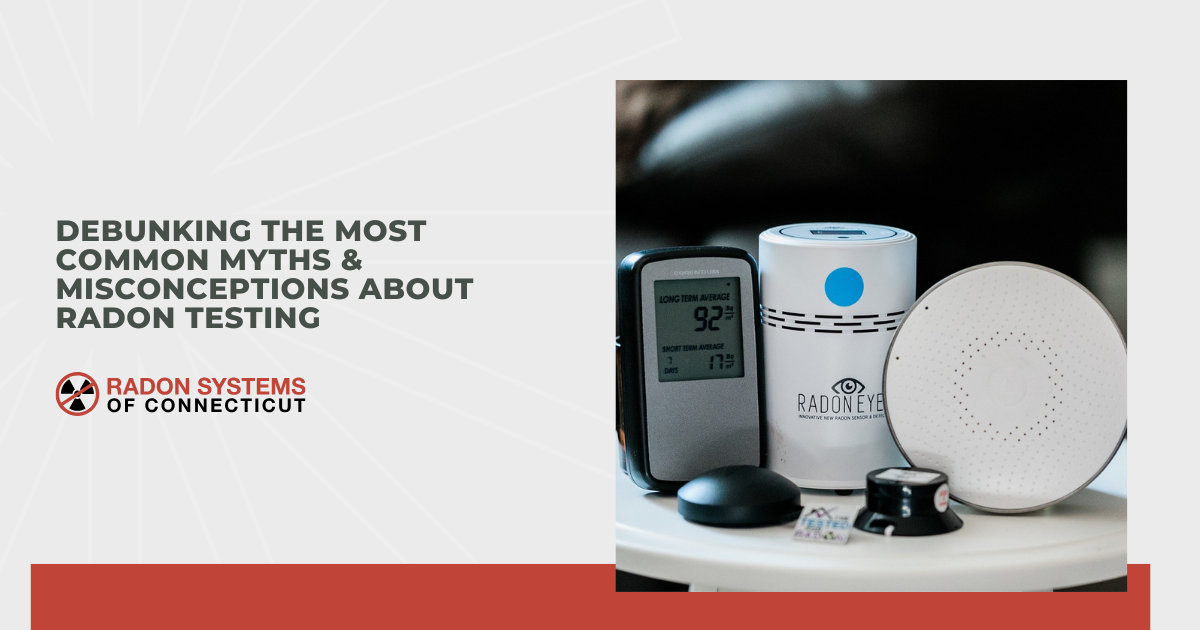
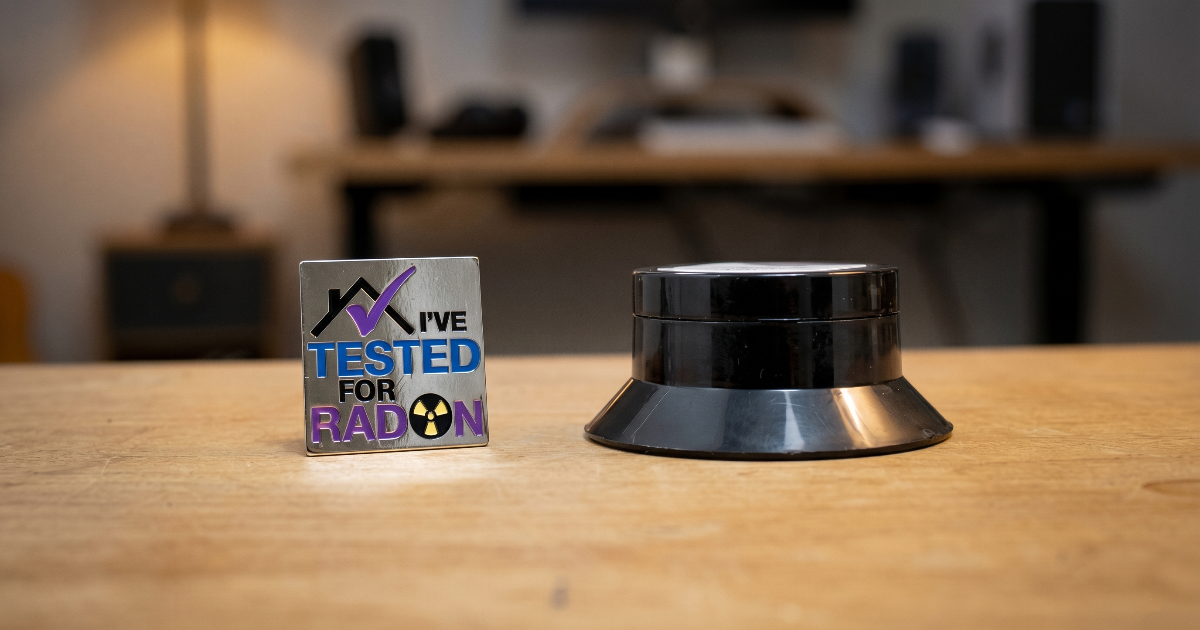
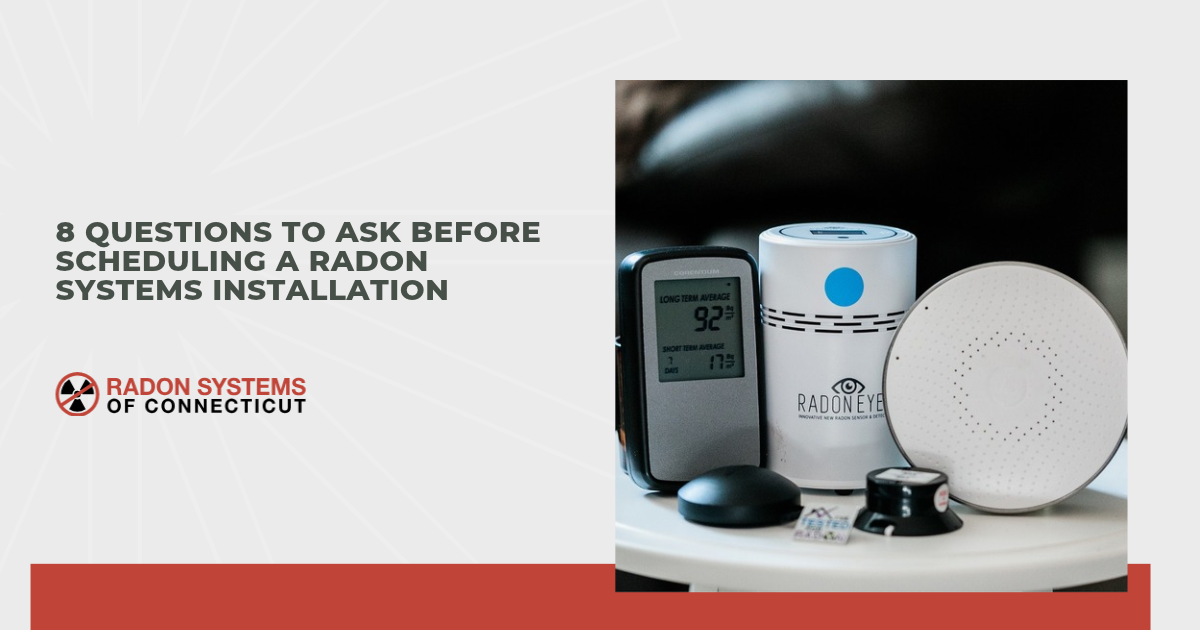
You may want to start by testing your home’s radon levels again to confirm that the testing system you purchased was set up and used properly. Remember, this is a dangerous health hazard, so you want to perform this testing as soon as possible. 


The EPA notes that there are two types of tests, long-term and short term. Although long-term testing will provide more accurate seasonal averages of radon gas, your main concern at this point is to confirm its presence at all. A short-term test, which can take as little as two days in this case, would be a wise idea. If result confirmation is needed, a second short-term test can be used.


If your home’s radon level is still measured at 4 picocuries per liter (pCi/L) or higher, the EPA advises that you must address this problem. However, the EPA notes that radon gas levels below the 4 pCi/L threshold can still pose a health risk and should be reduced. This is particularly true if you’ve already hired a contractor to perform mitigation.

Check Your Contractor’s Work

If the radon levels remain high after repeated testing, you should take time to check the work performed by your contractor. The EPA notes that there is a list of important radon removal standards that contractors must meet when installing reduction systems.


  • Ensure that the radon reduction system was clearly labeled so it cannot accidentally be disrupted.
  • Get a complete demonstration of how your radon reduction system operates, including instructions on how to maintain it. 
  • Make sure you get complete operating and maintenance instructions for your radon system, and copies of any warranties.
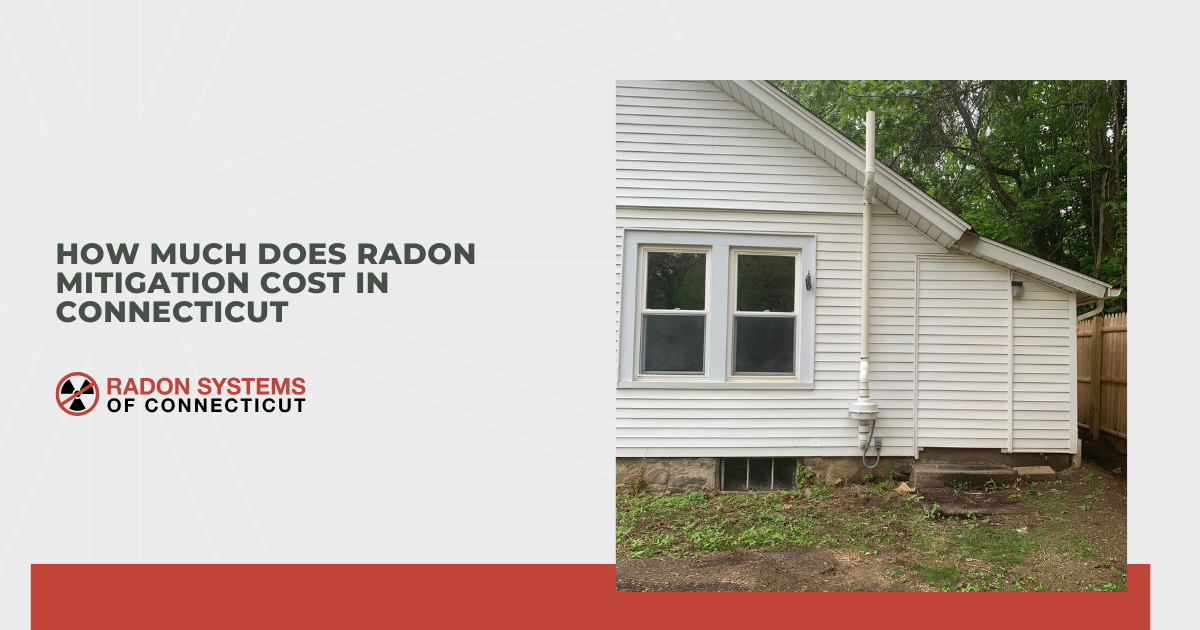
  • Make sure that the soil suction system’s exhaust pipes vent above the roof and at least 10 feet above the ground. Exhaust pipes should also be 10 feet or more away from windows, doors and any other openings where radon may reenter the home. 
  • Make sure the exhaust fan is not located in or below a livable area
  • Make sure the contractor installed a fan meeting local building codes for exterior use if an outside exhaust fan was used. 
  • Check to make sure electrical connections “of all active radon reduction systems” were installed according to local electrical codes. 
  • Ensure a warning device was installed to alert you if the system stops working for any reason. This device should have been placed where it will be easy to see and hear if it is triggered.
  • Ensure that your contractor checked to see if the warning device works properly. 
  • Make sure that your contractor performs a “post-mitigation radon test” 24 to 30 days after the system is installed.


The EPA explains that you should also get a follow-up radon measurement from an independent company, not the one that did the original installation. Doing so will help eliminate the potential for a conflict of interest to develop that causes the results to be skewed. According to the EPA, you can also gauge the system's effectiveness with a two-to-seven-day measurement. 


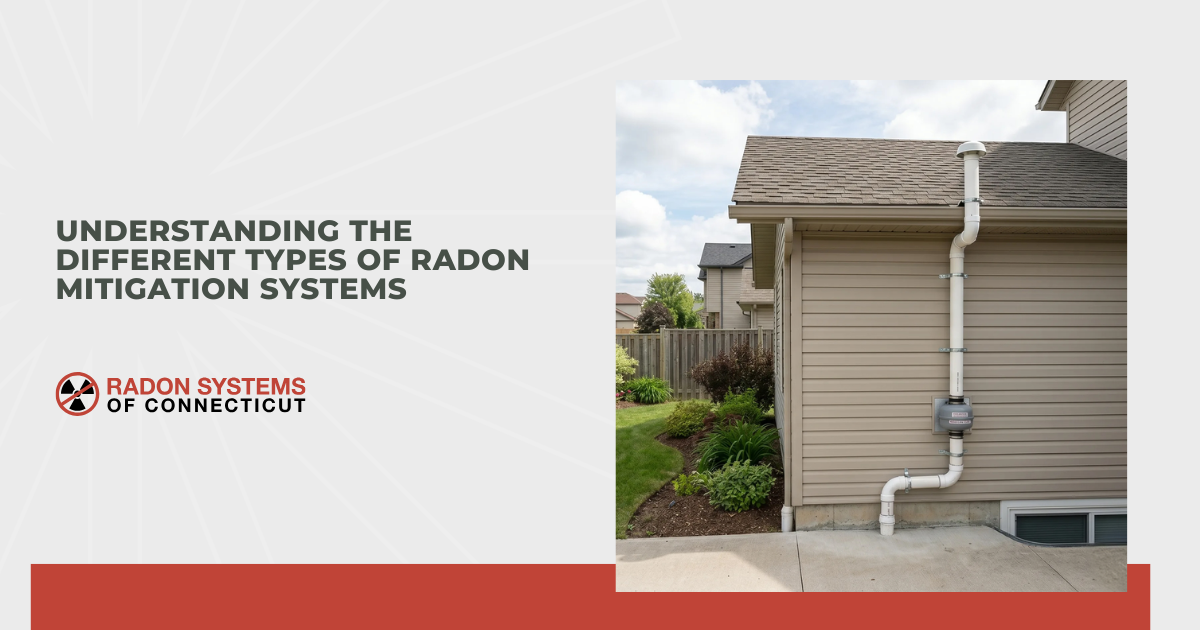
There are many types of radon mitigation systems that can be used, including techniques for the interior, exterior, slab and crawl space of your home. Understanding the different mitigation types, where they’re used and how they work will help you better evaluate your system and your contractor’s work.

Contact the Radon Mitigation Company You Used

Should You Hire Another Radon Mitigation Company?

What Can You Not Do if Radon Mitigation Failed?


Conclusion

Sources

Share this article

Recent Posts

How Much Does Radon Mitigation Cost in Connecticut?
By Russell Monges June 8, 2026
Learn what affects radon mitigation costs in Connecticut, what to ask a licensed contractor, and how to feel prepared and confident going into the process.
Do Radon Systems Require Ongoing Maintenance?
By Russell Monges May 14, 2026
Find out whether radon systems require ongoing maintenance, what to check regularly, and how to keep your system operating safely and efficiently year-round.
Common Mistakes Homeowners Make When Doing DIY Radon Testing
By Russell Monges May 14, 2026
Learn the most common mistakes homeowners make during DIY radon testing and how placement, timing, and conditions affect accurate indoor radon test results.
Prevention Through Radon Testing: Recognizing Radon Poisoning Signs
By Russell Monges May 14, 2026
Discover how radon testing helps prevent exposure and learn the key signs of radon poisoning so you can keep your home’s air safe for the people you love most.
DIY vs. Professional Radon Testing: Which Is Right for You?
By Russell Monges May 14, 2026
Explore the key differences between DIY and professional radon testing in protecting your family, and discover which option is best your needs and budget.
How to Choose the Right Radon Mitigation System for Your Home
By Russell Monges May 14, 2026
Learn how to choose the right radon mitigation system for your home. Compare types, costs, and features to ensure safe indoor air and long-term protection.
Comparing Short-Term and Long-Term Radon Testing
By Russell Monges May 14, 2026
Radon testing is vital to maintain home health and safety. Explore both short- and long-term testing options to decide which one performs best for your needs.
How Radon Testing Can Prevent Long-Term Health Issues
By Russell Monges May 14, 2026
Radon testing is crucial for detecting harmful gas levels and preventing long-term health risks like lung cancer. Learn why every home needs radon testing.
Can Having a Radon System Boost Home Value?
By Russell Monges May 14, 2026
Improve air quality, safeguard your family, and elevate your property’s market value with a radon mitigation system that delivers clean air and long-term safety.
Recognizing the Signs: Why Radon Mitigation Is a Must
By Russell Monges May 14, 2026
Discover how to spot the signs of radon gas in your property. Know when it’s time to call the professionals for a radon mitigation.
Show More