
How Do Home Inspectors Test for Radon?

Russell Monges • May 13, 2026
What if Radon Mitigation Doesn’t Work?

Radon is everywhere, yet many homeowners don’t know of the hazardous, radioactive substance until they’re in danger. Every home has an average radon level, but when it builds up, it poses a significant health problem.


Right behind smoking, high radon levels are the leading cause of lung cancer in the U.S. You can’t see, smell, or taste it. So, how do you know it’s around?


Professional home inspectors use specialized methods to detect radon’s presence in a home and how it’s affected by the surrounding environment. While every home has a standard radon level, it’s important that you bring in an expert to test often so you know what you’re dealing with.


Become familiar with a few essential factors of the radon testing process to learn how home inspectors keep you healthy and safe. You can gather a complete understanding of radon testing in three steps:


  • Know what radon is and how it’s harmful to you and your family.
  • Find out how radon infiltrates your home.
  • Discover the methods home inspectors use when conducting radon tests in your home.


Read ahead and explore three strategies to bolster your radon knowledge-- including how to detect an abnormal radon presence in your home and what to do once it’s there. By the time you’ve completed this crash course in radon testing, you’ll feel confident finding a quality home inspector who will explain your unique results and develop an action plan with you.


What is Radon and How Does it Hurt You?

Radon is a hazardous, cancerous gas you’re unable to see, smell, or taste. If you breathe in enough of the gas, its radioactive properties will harm your lungs. Radon gas breaks down in unstable ways, sending powerfully charged, radioactive particles into your lung cells.


The outcome? An increased risk of lung cancer. Most people don’t know they should conduct regular radon testing in their current home, and again if you choose to sell or buy a new home.

How Radon Creeps Into Your Home

Radon’s toxic gas comes from a naturally occurring environmental process where uranium decomposes from soil, rock, water, and air. Radon commonly creeps into your home through foundational crevices and cracks, soil-exposed crawl spaces, openings surrounding your electrical outlets, and basements.


According to a homeowner’s guide released by the United States Environmental Protection Agency, nearly 1 in 15 homes have an elevated radon level. Because radon naturally exists in the environment, the possibility of an unsafe home level is a real problem that only radon testing and proper mitigation can solve.


Even if you think your newer home is sealed and immune to a radon problem, you shouldn’t rely on any state, local, or neighborhood testing levels to determine your own levels. Radon builds up indoors, so each home’s test reading will be unique.


In, “What Does Radon Testing Involve?” homeowners are warned that radon-releasing construction materials (like granite, concrete, and brick) are all used during home builds. Proper and regular radon testing is a high-priority task when you are buying or selling a home.

Radon Testing Methods Home Inspectors Frequently Use


Conclusion

Sources

Share this article

Recent Posts

How Much Does Radon Mitigation Cost in Connecticut?
By Russell Monges June 8, 2026
Learn what affects radon mitigation costs in Connecticut, what to ask a licensed contractor, and how to feel prepared and confident going into the process.
Do Radon Systems Require Ongoing Maintenance?
By Russell Monges May 14, 2026
Find out whether radon systems require ongoing maintenance, what to check regularly, and how to keep your system operating safely and efficiently year-round.
Common Mistakes Homeowners Make When Doing DIY Radon Testing
By Russell Monges May 14, 2026
Learn the most common mistakes homeowners make during DIY radon testing and how placement, timing, and conditions affect accurate indoor radon test results.
Prevention Through Radon Testing: Recognizing Radon Poisoning Signs
By Russell Monges May 14, 2026
Discover how radon testing helps prevent exposure and learn the key signs of radon poisoning so you can keep your home’s air safe for the people you love most.
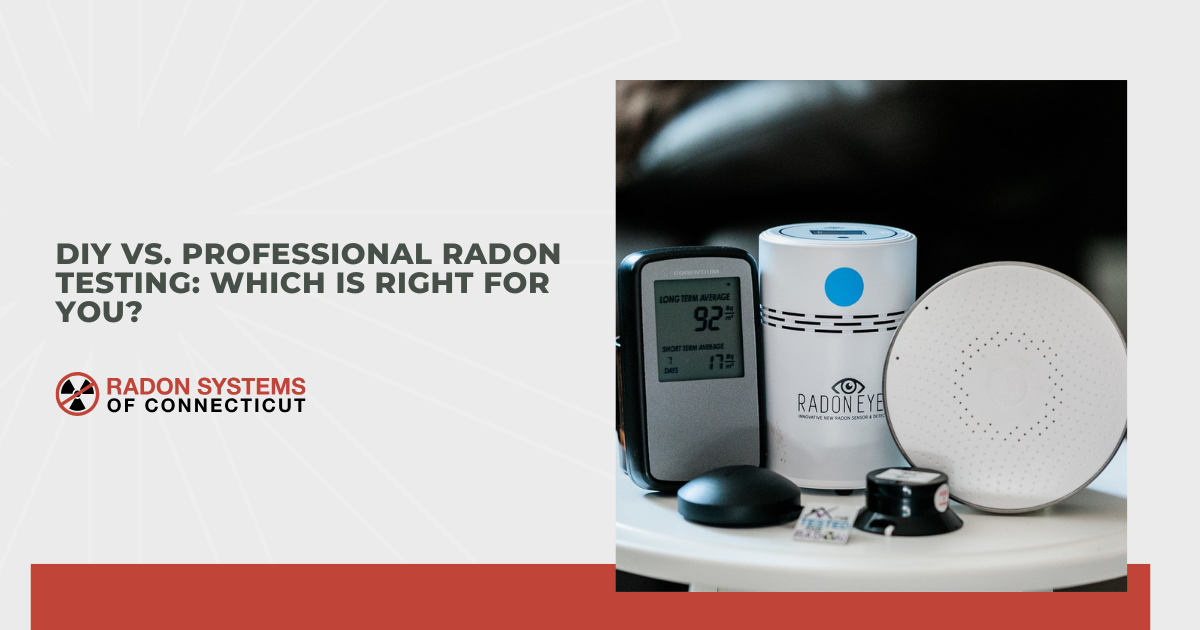
DIY vs. Professional Radon Testing: Which Is Right for You?
By Russell Monges May 14, 2026
Explore the key differences between DIY and professional radon testing in protecting your family, and discover which option is best your needs and budget.
How to Choose the Right Radon Mitigation System for Your Home
By Russell Monges May 14, 2026
Learn how to choose the right radon mitigation system for your home. Compare types, costs, and features to ensure safe indoor air and long-term protection.
Comparing Short-Term and Long-Term Radon Testing
By Russell Monges May 14, 2026
Radon testing is vital to maintain home health and safety. Explore both short- and long-term testing options to decide which one performs best for your needs.
How Radon Testing Can Prevent Long-Term Health Issues
By Russell Monges May 14, 2026
Radon testing is crucial for detecting harmful gas levels and preventing long-term health risks like lung cancer. Learn why every home needs radon testing.
Can Having a Radon System Boost Home Value?
By Russell Monges May 14, 2026
Improve air quality, safeguard your family, and elevate your property’s market value with a radon mitigation system that delivers clean air and long-term safety.
Recognizing the Signs: Why Radon Mitigation Is a Must
By Russell Monges May 14, 2026
Discover how to spot the signs of radon gas in your property. Know when it’s time to call the professionals for a radon mitigation.
Show More