What Should Homeowners Look for in a Radon Mitigation System?

Russell Monges • May 13, 2026
What Should Homeowners Look for in a Radon Mitigation System?

If your home recently tested positive for radon, then you must begin the mitigation process immediately for the safety of yourself and your entire family. How do you choose the best radon mitigation system? The Environmental Protection Agency or EPA notes that radon can enter your home when uranium in the nearby soil breaks down.


When looking for a radon mitigation system, ensure that your contractor is certified on a state level. You also want reasonable costs for the installation and operation of the system. Make sure your radon system offers various mitigation techniques, including the prevention of future radon.


Keep reading for even more tips on selecting the right radon mitigation system for your home. You need to feel confident in your decision, and with the information you’re about to learn, you can proceed with pride.


Here’s What Your Radon Mitigation System Needs

How Radon Creeps Into Your Home

Okay, so this is more about your radon mitigation system contractor than the system itself, but it’s still important. According to the Consumer's Guide to Radon Reduction, the EPA states that hiring a qualified contractor is crucial.


Only experts understand where the radon on your property may be coming from, how to test the radon in your home, and what the best mitigation methods are (yes, there are multiple methods to choose from; keep reading for more on that).


Without certifications, you can’t ensure that your contractor has the know-how to do the job properly. Since radon has no color, smell, or taste, what’s even worse is that you’d assume the contractor did a good job when they really didn’t. Only if you ever did another radon test down the line would you realize the mitigation efforts had failed. Considering radon is a carcinogen, by then the health effects to you and your family might already be pronounced.


A certified radon mitigation specialist not only possesses the requisite knowledge, but he or she has access to high-quality mitigation equipment as well. You won’t have to worry about whether the radon is truly gone.


The EPA recommends at least a state-level certification for the contractor. They should also follow such standards as the Standard Practice for Installation Radon Mitigation Systems in Existing Low-Rise Residential Buildings, E2121 as well as the regulations set by the American Society for Testing and Materials or ASTM. 

Reasonable Installation and Operation Costs

A good contractor will work with you to select a radon mitigation system that works for your home based on its foundation, size, and how much radon is on your property.


Installing the system is one part of your radon mitigation fees. Some companies that do radon mitigation system installations charge by the hour while others will offer a flat fee. If you do have to pay an hourly rate, installation work may last as few as three hours and as many as seven. It just all depends on the company. The completion time will depend on how many types of foundation your home has as well as the size of your home and if your basement is finished versus unfinished.


Once your new radon mitigation system is all set up, you or the contractor will need to turn it on. How much does it cost to operate a radon mitigation system? Here are the factors that can influence the price of operating your radon mitigation system, according to the EPA:


  • How many power lines are in the way of the system; if your contractor views them as an obstruction, then you’ll have to contact your electric company to remove a few of the lines
  • If your home is deemed historic, as that limits what your contractor can do
  • If your home has or had asbestos; the contractor will request asbestos removal before starting radon mitigation
  • The condition of the soil around your home, such as if it has compacted gravel or lots of dirt, sand, and clay; more fans are usually installed to increase the system’s ability to pull air from beneath the home
  • The height of your water table, as a higher water table may need more suction points
  • If your home’s slab has utilities or ductwork, both of which should be removed or sealed
  • Whether your crawl space walls are insulated, as the insulation could be a source of asbestos that needs removal before proceeding with radon remediation
  • How tall or large your crawlspace is; smaller ones can increase remediation labor costs
  • The type of interior drain tile, which might have to be sealed so radon can’t get in this way
  • How well your backup sump pump battery works, as it should be submersible so it can be sealed within
  • Whether your basement has radiant heat below; this often takes using a thermal imaging camera to detect 
  • If your basement floors are very cracked, your contractor will request sealing them
  • How large your basement is; if it exceeds 2,000 feet, further remediation may be recommended
  • If you’re part of a homeowner’s association, as the contractor may be able to do limited work
  • How old your home is, with older homes typically requiring more remediation
  • The size of your home; if it’s more than 4,000 feet, expect higher radon remediation prices

Similarly, if your radon mitigation system has a fan, that piece of machinery will have to run for hours at a time, day in and day out. The fan requires electricity, which means your utility bills could go up. By powering down electronics when they’re not in use and turning off lights in other rooms of the house you’re not in, you might be able to shave your electric bill.

A Variety of Mitigation Techniques


Conclusion

Sources

Share this article

Recent Posts

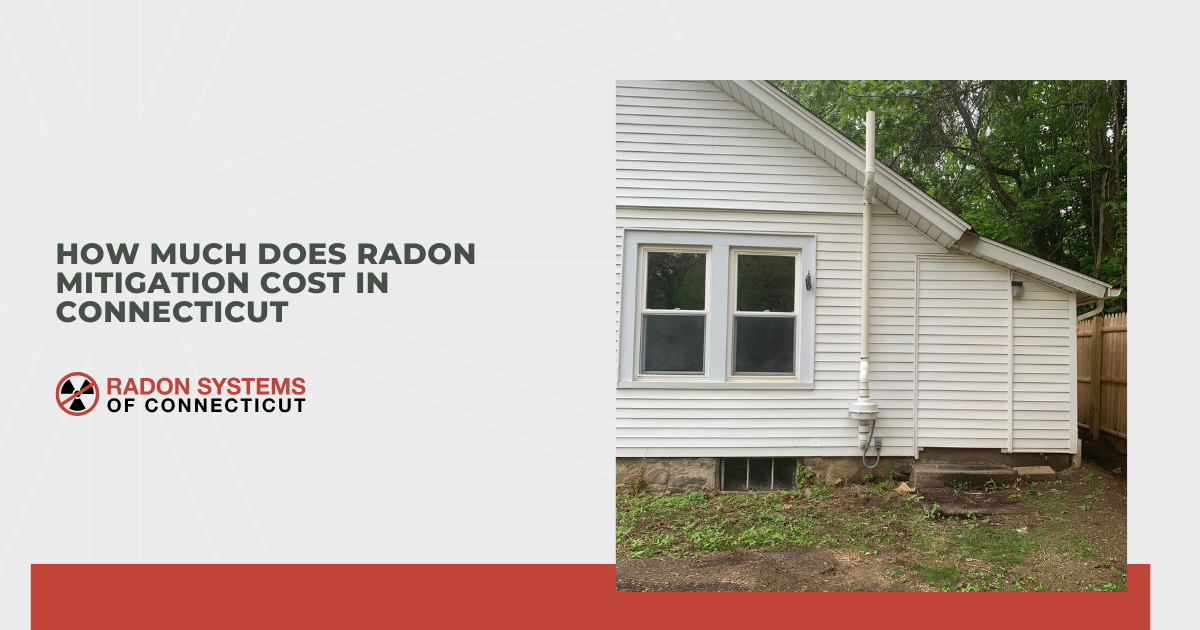
How Much Does Radon Mitigation Cost in Connecticut?
By Russell Monges June 8, 2026
Learn what affects radon mitigation costs in Connecticut, what to ask a licensed contractor, and how to feel prepared and confident going into the process.
Do Radon Systems Require Ongoing Maintenance?
By Russell Monges May 14, 2026
Find out whether radon systems require ongoing maintenance, what to check regularly, and how to keep your system operating safely and efficiently year-round.
Common Mistakes Homeowners Make When Doing DIY Radon Testing
By Russell Monges May 14, 2026
Learn the most common mistakes homeowners make during DIY radon testing and how placement, timing, and conditions affect accurate indoor radon test results.
Prevention Through Radon Testing: Recognizing Radon Poisoning Signs
By Russell Monges May 14, 2026
Discover how radon testing helps prevent exposure and learn the key signs of radon poisoning so you can keep your home’s air safe for the people you love most.
DIY vs. Professional Radon Testing: Which Is Right for You?
By Russell Monges May 14, 2026
Explore the key differences between DIY and professional radon testing in protecting your family, and discover which option is best your needs and budget.
How to Choose the Right Radon Mitigation System for Your Home
By Russell Monges May 14, 2026
Learn how to choose the right radon mitigation system for your home. Compare types, costs, and features to ensure safe indoor air and long-term protection.
Comparing Short-Term and Long-Term Radon Testing
By Russell Monges May 14, 2026
Radon testing is vital to maintain home health and safety. Explore both short- and long-term testing options to decide which one performs best for your needs.
How Radon Testing Can Prevent Long-Term Health Issues
By Russell Monges May 14, 2026
Radon testing is crucial for detecting harmful gas levels and preventing long-term health risks like lung cancer. Learn why every home needs radon testing.
Can Having a Radon System Boost Home Value?
By Russell Monges May 14, 2026
Improve air quality, safeguard your family, and elevate your property’s market value with a radon mitigation system that delivers clean air and long-term safety.
Recognizing the Signs: Why Radon Mitigation Is a Must
By Russell Monges May 14, 2026
Discover how to spot the signs of radon gas in your property. Know when it’s time to call the professionals for a radon mitigation.
Show More