Improve Your Indoor Air Quality With Radon Testing and More

Russell Monges • May 14, 2026
Top 5 Radon Mitigation Myths Debunked

Radon can linger undetected in the air as it lacks an odor or color. However, prolonged exposure can lead to lung cancer, so radon testing should be at the top of your to-do list to ensure clearer air quality in your home. What else can you do to improve the air quality?


These tactics will make the air you breathe at home healthier:


  • Change air filters
  • Lessen humidity
  • Add air cleaners
  • Reduce household air contaminants
  • Grow some plants


Keep reading for more actionable tips for your household!


1. Get Professional Radon Testing

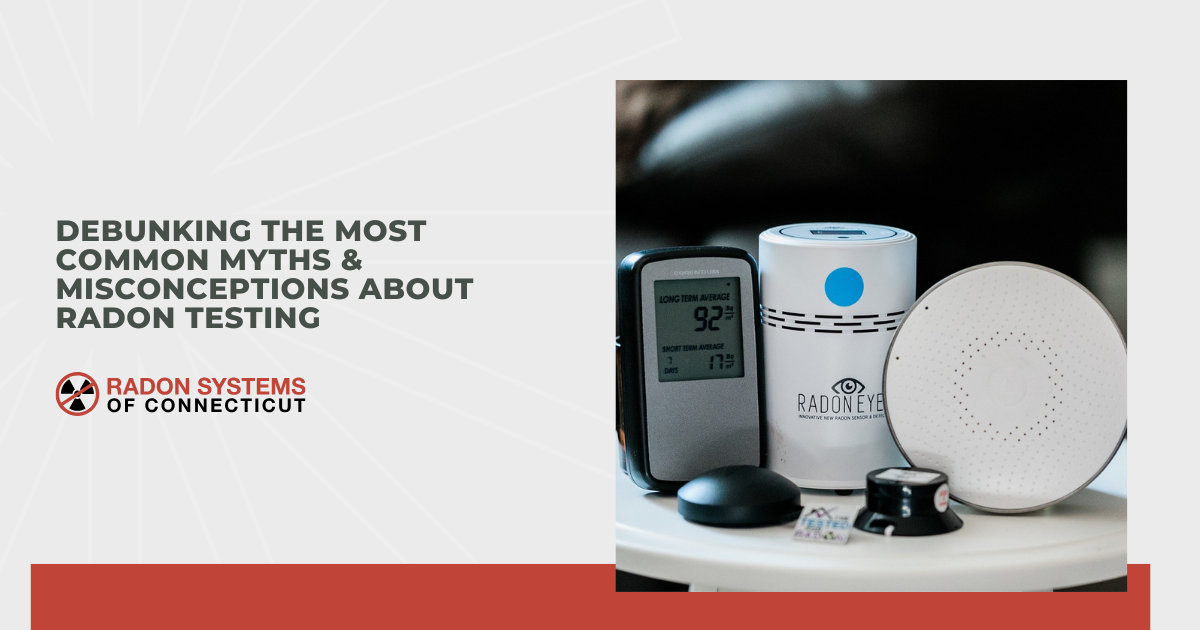
One of the most proactive steps a household can take for cleaner air inside and out of the home is to contact a radon mitigation service. You can request radon experts to come to your home and test the air quality.


Radon emerges when uranium decays, so it often starts in the soil. It can also exist in a home’s water supply, especially if that supply is groundwater. If a household uses the groundwater to cook, shower, or wash their hands, they can inadvertently breathe in the radon-infused air.


A radon test will gauge how much radon exists in the soil and water supply. If you’re displeased with how much radon your property has, you can request radon mitigation.


Here is an overview of the methods the radon mitigation specialists might use.


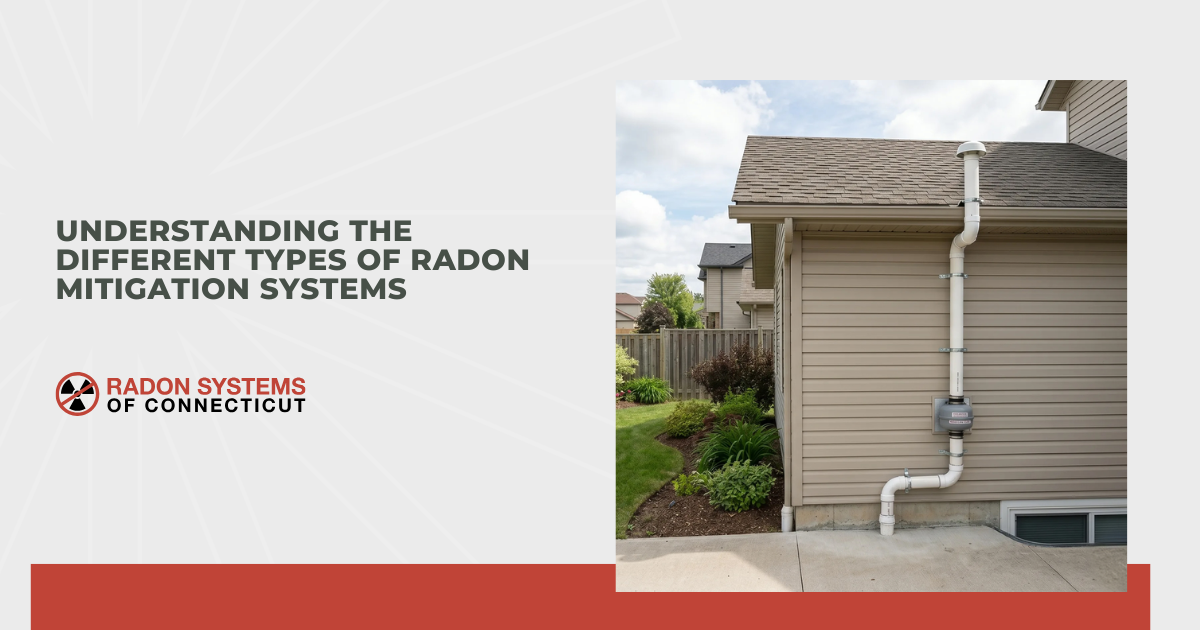
  • Active soil slab depressurization: The team will place a pipe into the home’s slab that guides radon toward the roof. A fan will simultaneously pull radon from the soil, keeping the water supply healthier.
  • Crawl space sub-membrane depressurization: By installing a fan, the radon mitigation specialists can reduce crawl space air pressure so it’s level with the rest of the home. The fan and its connected PVC pipe send radon up and out of the home.
  • Active soil exterior installation depressurization: This form of depressurization involves installing a fan and vent on the home’s exterior. Radon will travel through pipes affixed to the system and exit the roof.
  • Active soil interior installation depressurization: A common means of mitigating radon, interior depressurization uses a pipe that travels from the garage or basement to the closets, then the attic. The radon exits through the attic vents toward the roof.

2. Change Air Filters

The air filters throughout your home, including your air conditioner filter, get dirtier the longer they’re installed. Once they’re coated in grime, they can no longer catch contaminants.


More contaminants travel unfettered throughout the home, degrading the air you breathe.


As an insult to injury, filthy air filters can also affect how well your air conditioner runs, impacting its performance over time.


Get into the habit of checking kitchen, clothes dryer, air conditioner, and vacuum cleaner filters at least once a month and replacing them as often as required.

3. Lessen the Humidity in Your Home

Dampness in homes usually originates from uncontrolled humidity. Your home should have vents for hot air to exit or a window, at the very least. This increased ventilation is especially important in the kitchen and bathroom, where humidity is most abundant.


Failing to reduce humidity can lead to a litany of impactful side effects. Mold can develop across your home. The wet environment can destroy wallpaper, paint, furniture, and electronics. You could develop throat and skin irritation.


Volatile organic compounds or VOCs can easily enter humid environments, further tarnishing the already poor air quality.


Adding ventilation, if your home lacks it, will help the air quality. You can also use dehumidifiers throughout the house.

4. Add Air Cleaners

Another simple tactic for better indoor air quality is using air cleaners. According to the EPA, air cleaners have a filtering element with an efficacy level in cubic feet per minute that denotes the amount of air pulled through the cleaner.


The air cleaner will also have an overall efficiency percentage. One number can’t be much higher than the other, or it will render the air cleaner ineffective overall.


However, the EPA states that air cleaners will not remove radon, so contact a radon mitigation specialist for that.

5. Reduce Household Air Contaminants

Sometimes you can reduce the air quality in your home without realizing it. For example, furniture made of composite wood usually contains more formaldehyde in its glue than solid wood pieces.


Everyday cleaners, like bleach and glass products, can have deleterious effects that remain in the air long after you’re done cleaning. Buying nontoxic products or using natural cleaners will spare the air for your whole family.

6. Grow Some Plants

In the late 1980s, NASA published a report on plants that clean the air. According to them, the most recommended are the snake plant, money plant, Chinese evergreen, spider plant, weeping fig, aloe vera, and rubber plant.


While you shouldn’t rely on houseplants alone for a healthier home, they can contribute a small deal in removing formaldehyde and other air contaminants.


Conclusion

Every household has a right to healthier air, but very often, the contaminants we can’t see or taste can cause the most harm. Radon testing and mitigation can identify air quality issues in your home and remediate them.


From there, you can employ measures, like air cleaners, air filter cleaning, and maybe even adding a plant or two, to keep your air clean.

Sources

Share this article

Recent Posts

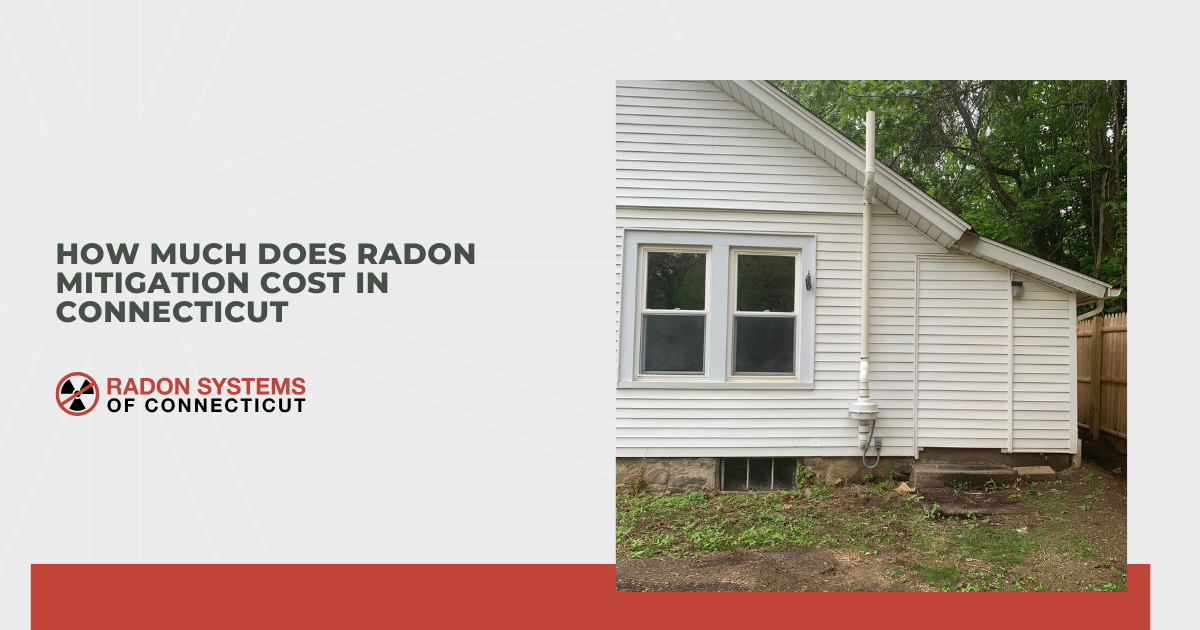
How Much Does Radon Mitigation Cost in Connecticut?
By Russell Monges June 8, 2026
Learn what affects radon mitigation costs in Connecticut, what to ask a licensed contractor, and how to feel prepared and confident going into the process.
Do Radon Systems Require Ongoing Maintenance?
By Russell Monges May 14, 2026
Find out whether radon systems require ongoing maintenance, what to check regularly, and how to keep your system operating safely and efficiently year-round.
Common Mistakes Homeowners Make When Doing DIY Radon Testing
By Russell Monges May 14, 2026
Learn the most common mistakes homeowners make during DIY radon testing and how placement, timing, and conditions affect accurate indoor radon test results.
Prevention Through Radon Testing: Recognizing Radon Poisoning Signs
By Russell Monges May 14, 2026
Discover how radon testing helps prevent exposure and learn the key signs of radon poisoning so you can keep your home’s air safe for the people you love most.
DIY vs. Professional Radon Testing: Which Is Right for You?
By Russell Monges May 14, 2026
Explore the key differences between DIY and professional radon testing in protecting your family, and discover which option is best your needs and budget.
How to Choose the Right Radon Mitigation System for Your Home
By Russell Monges May 14, 2026
Learn how to choose the right radon mitigation system for your home. Compare types, costs, and features to ensure safe indoor air and long-term protection.
Comparing Short-Term and Long-Term Radon Testing
By Russell Monges May 14, 2026
Radon testing is vital to maintain home health and safety. Explore both short- and long-term testing options to decide which one performs best for your needs.
How Radon Testing Can Prevent Long-Term Health Issues
By Russell Monges May 14, 2026
Radon testing is crucial for detecting harmful gas levels and preventing long-term health risks like lung cancer. Learn why every home needs radon testing.
Can Having a Radon System Boost Home Value?
By Russell Monges May 14, 2026
Improve air quality, safeguard your family, and elevate your property’s market value with a radon mitigation system that delivers clean air and long-term safety.
Recognizing the Signs: Why Radon Mitigation Is a Must
By Russell Monges May 14, 2026
Discover how to spot the signs of radon gas in your property. Know when it’s time to call the professionals for a radon mitigation.
Show More