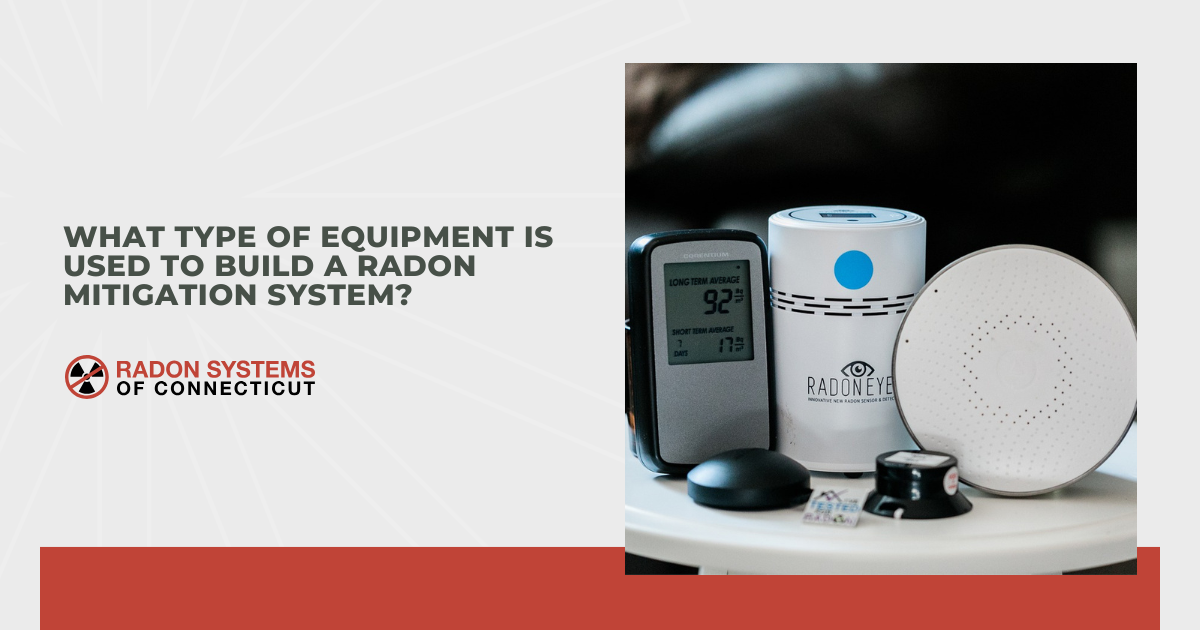
What Type of Equipment is Used to Build a Radon Mitigation System?

Russell Monges • May 13, 2026
What Type of Equipment is Used to Build a Radon Mitigation System?

Radon mitigation is a crucial service that commercial buildings and homeowners alike sometimes require. As the mitigation specialists arrive, you might wonder, what kind of equipment do they use?


  • A radon mitigation system is built with the following equipment:
  • RadonAway fan
  • Schedule 40 PVC pipe
  • Schedule 40 PVC pipe fittings
  • Manometer gauge


If you want to learn more about these fascinating pieces of equipment, you’ve come to the right place! Keep reading for detailed explanations on each component of a radon mitigation system as well as what might be included in a radon mitigation warranty.


The 4 Components of a Radon Mitigation System

First, let’s delve into what comprises a radon mitigation system. As a caveat, the composition of some systems will vary and can include even more or sometimes less of the above equipment.


That said, the following four components are standard in most radon mitigation systems.

RadonAway Fan

RadonAway is a commercial manufacturer of radon fans. Unlike a standard oscillating fan that a homeowner might use to keep cool on a hot summer day, a radon fan is designed for one purpose: mitigation of radon in the air.


The RadonAway brand was founded in 1990 and manufactures its fans and other equipment in the United States. The fans are available in different sizes and require varying amounts of wattage. Most of RadonAway’s fans are protected by a five-year manufacturer’s warranty.


How does a radon fan like RadonAway work? The fan uses negative pressure that limits how far radon can rise throughout the home. A radon fan must be used in conjunction with piping, which you’ll learn more about momentarily.

Schedule 40 PVC Pipe

The second part of a radon mitigation system is known as the radon pipe. The radon pipe connects to the fan & creates suction to pull out the toxic gas. It also receives radon that’s transported via the radon fan. The radon pipe is what creates the negative pressure that the radon fan needs, so the two components truly are dependent on one another.


Most radon piping is polyvinyl chloride or PVC, specifically Schedule 40. PVC pipe is classified by schedule, which refers to how thick the walls are. Considering that PVC is available at up to Schedule 80, then Schedule 40 piping is not too thick.


The durability of Schedule 40 radon piping is much better than Schedule 20 PVC pipe. Your specialists will be able to explain why, but the main benefit is that the piping won't be at risk of breaking or cracking.


Mitigating radon can sometimes lead to the creation of condensation. The positioning of the pipe should be such that it’s angled to drain water outside of your home & into the soil. Failing to angle the pipe this way leads to a noisier experience, not to mention airflow throughout the system could be impacted.

Schedule 40 PVC Pipe Fittings

Pipe connectors or pipe fittings are a small but crucial part of a radon mitigation system. These too will be Schedule 40 and made of PVC plastic to fit the pipes.


Pipe fittings serve two purposes. They can alter a plumbing system’s flow direction or extend the length of a run. Radon mitigation specialists will use pipe fittings for both reasons.

Manometer Gauge

The last tool in a radon mitigation specialist’s arsenal is the manometer gauge. A manometer determines pressure. Most manometers feature a glass tube that’s shaped like a U. Liquid in the tube, often mercury, is dense and only travels to indicate higher pressure.


Radon mitigation specialists will use a manometer gauge to determine whether the fans and pipes are working as intended and radon levels are being controlled on your property.

What's Included in a Radon Mitigation System Warranty?

As promised, let’s examine a sample radon mitigation system warranty to better understand what might be included in one. As a caveat, this warranty is for example purposes only.


The warranty will usually state that a radon mitigation system will reduce levels of radon in the home or on the commercial property to a certain level, such as 4.0 Pico Curies per liter or pCi/l. The frequency of testing will be mentioned as well.


The duration of the warranty is included as well, like three-year or five-year coverage. The radon mitigation equipment covered under the warranty will be listed (fan, pipe, gauge) as well as how long those parts are protected under a parts and labor warranty.


The terms of warranty exclusion should be stated, such as if the home is abused or the condition worsens due to negligence.


Conclusion

A radon mitigation system includes a radon fan, Schedule 40 pipes, pipe fittings, and a manometer gauge. Altogether, these parts allow radon mitigation specialists to measure and reduce radon levels in homes that need it the most!

Sources

Share this article

Recent Posts

How Much Does Radon Mitigation Cost in Connecticut?
By Russell Monges June 8, 2026
Learn what affects radon mitigation costs in Connecticut, what to ask a licensed contractor, and how to feel prepared and confident going into the process.
Do Radon Systems Require Ongoing Maintenance?
By Russell Monges May 14, 2026
Find out whether radon systems require ongoing maintenance, what to check regularly, and how to keep your system operating safely and efficiently year-round.
Common Mistakes Homeowners Make When Doing DIY Radon Testing
By Russell Monges May 14, 2026
Learn the most common mistakes homeowners make during DIY radon testing and how placement, timing, and conditions affect accurate indoor radon test results.
Prevention Through Radon Testing: Recognizing Radon Poisoning Signs
By Russell Monges May 14, 2026
Discover how radon testing helps prevent exposure and learn the key signs of radon poisoning so you can keep your home’s air safe for the people you love most.
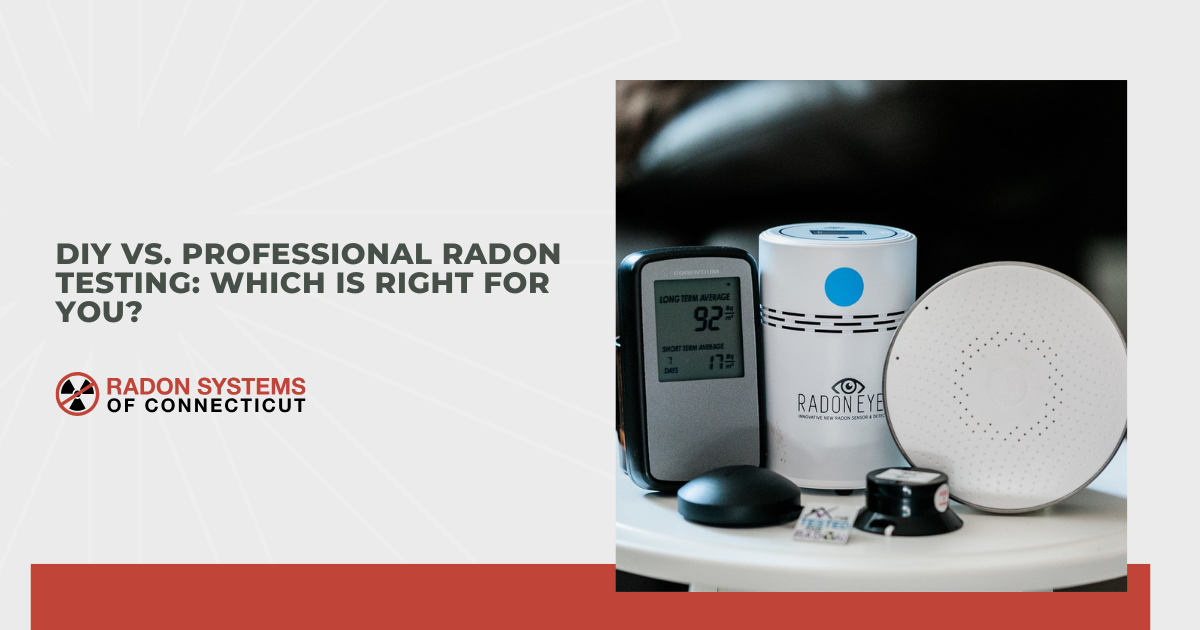
DIY vs. Professional Radon Testing: Which Is Right for You?
By Russell Monges May 14, 2026
Explore the key differences between DIY and professional radon testing in protecting your family, and discover which option is best your needs and budget.

How to Choose the Right Radon Mitigation System for Your Home
By Russell Monges May 14, 2026
Learn how to choose the right radon mitigation system for your home. Compare types, costs, and features to ensure safe indoor air and long-term protection.
Comparing Short-Term and Long-Term Radon Testing
By Russell Monges May 14, 2026
Radon testing is vital to maintain home health and safety. Explore both short- and long-term testing options to decide which one performs best for your needs.
How Radon Testing Can Prevent Long-Term Health Issues
By Russell Monges May 14, 2026
Radon testing is crucial for detecting harmful gas levels and preventing long-term health risks like lung cancer. Learn why every home needs radon testing.
Can Having a Radon System Boost Home Value?
By Russell Monges May 14, 2026
Improve air quality, safeguard your family, and elevate your property’s market value with a radon mitigation system that delivers clean air and long-term safety.
Recognizing the Signs: Why Radon Mitigation Is a Must
By Russell Monges May 14, 2026
Discover how to spot the signs of radon gas in your property. Know when it’s time to call the professionals for a radon mitigation.
Show More