
Can a Radon Mitigation System Raise the Humidity Level in a Home?

Russell Monges • May 13, 2026
Can a Radon Mitigation System Raise the Humidity Level in a Home?

If you discover radon in your home, your first priority should be to eliminate it, primarily with a radon mitigation system. The Environmental Protection Agency (EPA) explains that radon is the "leading cause of cancer for nonsmokers." Once you determine the source and select an effective remediation plan, the next step is knowing how the long-term condition of your home will be impacted.


One concern you may have when making major structural changes to your home is the risk of moisture damage. Moisture can cause a host of separate issues, including mold and mildew. Fortunately, radon mitigation systems usually do not appear to raise the humidity level in a home. In fact, when installed properly, there’s evidence that certain remediation systems may actually decrease the level of humidity. 


If you’re concerned about how a radon mitigation system may impact the long-term condition of your home, keep reading. You may be pleasantly surprised at all of the fringe benefits that accompany installing this type of system.


Types of Radon Remediation

What makes radon such a dangerous gas is how difficult it is to spot. It can literally be present in any home in the U.S., even if a neighboring house tested negative. To learn more about the risks of radon poisoning, check out Understanding Radon Poisoning and the Mitigation Process.


When beginning to discuss the benefits of radon remediation, it’s important to first define some of the most popular methods used. Keep in mind that not all remediation companies utilize all of the techniques mentioned below.


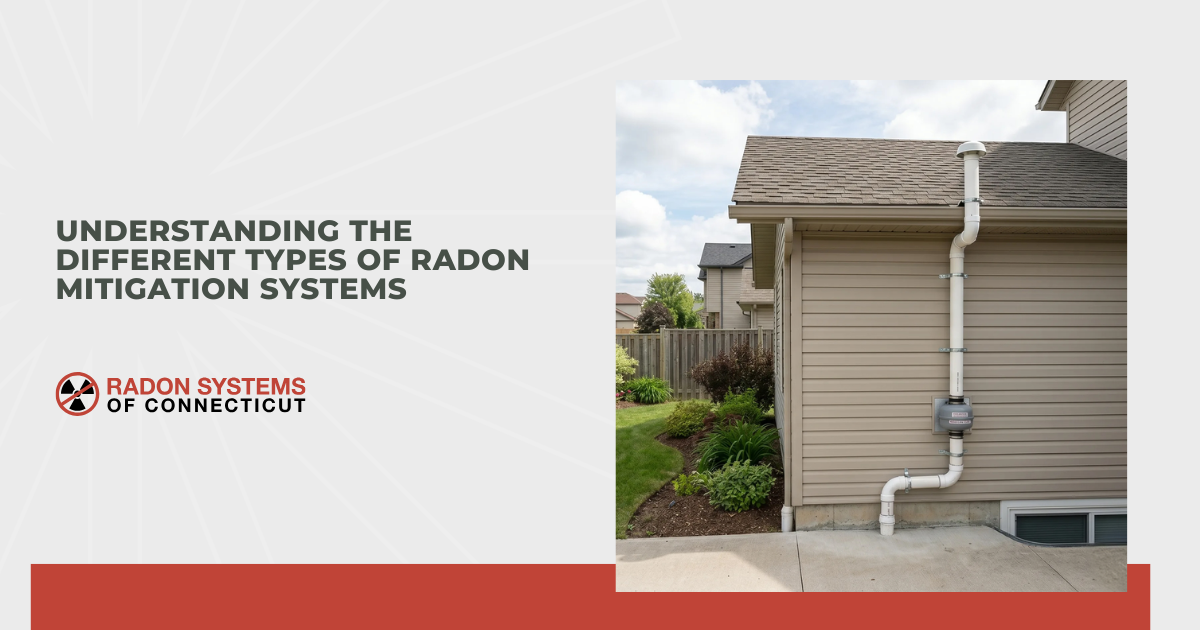
  • Active Soil Depressurization: This technique is probably the most well-known form of remediation and may be used in the interior, exterior, or slab of a home. It involves running one or more pipes from the basement, slab, or outside of your home. A radon vent fan will then be connected to the suction pipes, which then draws the gas from below your home and releases it into the outdoor air via your pipes and then finally to the roof. 
  • Passive Subslab Suction: This technique is similar to active subslab suction except that it relies on natural pressure differentials and air currents, rather than a fan, to draw radon up from below your home. Passive subslab suction is often part of radon-resistant features that are installed in newly constructed homes. 
  • Block-Wall Suction: According to the EPA, this method is specifically geared towards "basement homes with hollow block foundation walls." The radon is removed and the walls become depressurized. More often than not, "block-wall suction is used in combination with subslab suction."
  • Crawl Space Sub-Membrane Depressurization: This method uses a fan to draw air from the crawl space area and lower air pressure there to match indoor air pressure throughout the home. "A PVC pipe is connected to the radon fan and then exhausted up to the roof system."

A recent EPA report on radon remediation, “Exploratory Study of Basement Moisture During Operation of ASD Radon Control Systems,” indicated that among these popular techniques, active soil depressurization (ASD) can actually produce significant decreases in home humidity levels. The study also found that these reduced moisture levels were particularly pronounced during months with high humidity.

Where Will There Be Less Humidity?

Active soil depressurization (ASD) techniques draw air from under the lowest level of your home, which is typically just below the basement, crawlspace, or slab. For most homeowners, this is typically where you will encounter radon gas entering through contaminated soil. Particularly for homeowners with basements, the basement is one of the areas of your home most vulnerable to moisture intrusion, and this is where you will likely notice a decrease in humidity. 

Benefits of Less Humidity in Your Home

When Can Radon Mitigation Increase Home Humidity?


Conclusion

Sources

Share this article

Recent Posts

How Much Does Radon Mitigation Cost in Connecticut?
By Russell Monges June 8, 2026
Learn what affects radon mitigation costs in Connecticut, what to ask a licensed contractor, and how to feel prepared and confident going into the process.
Do Radon Systems Require Ongoing Maintenance?
By Russell Monges May 14, 2026
Find out whether radon systems require ongoing maintenance, what to check regularly, and how to keep your system operating safely and efficiently year-round.
Common Mistakes Homeowners Make When Doing DIY Radon Testing
By Russell Monges May 14, 2026
Learn the most common mistakes homeowners make during DIY radon testing and how placement, timing, and conditions affect accurate indoor radon test results.
Prevention Through Radon Testing: Recognizing Radon Poisoning Signs
By Russell Monges May 14, 2026
Discover how radon testing helps prevent exposure and learn the key signs of radon poisoning so you can keep your home’s air safe for the people you love most.
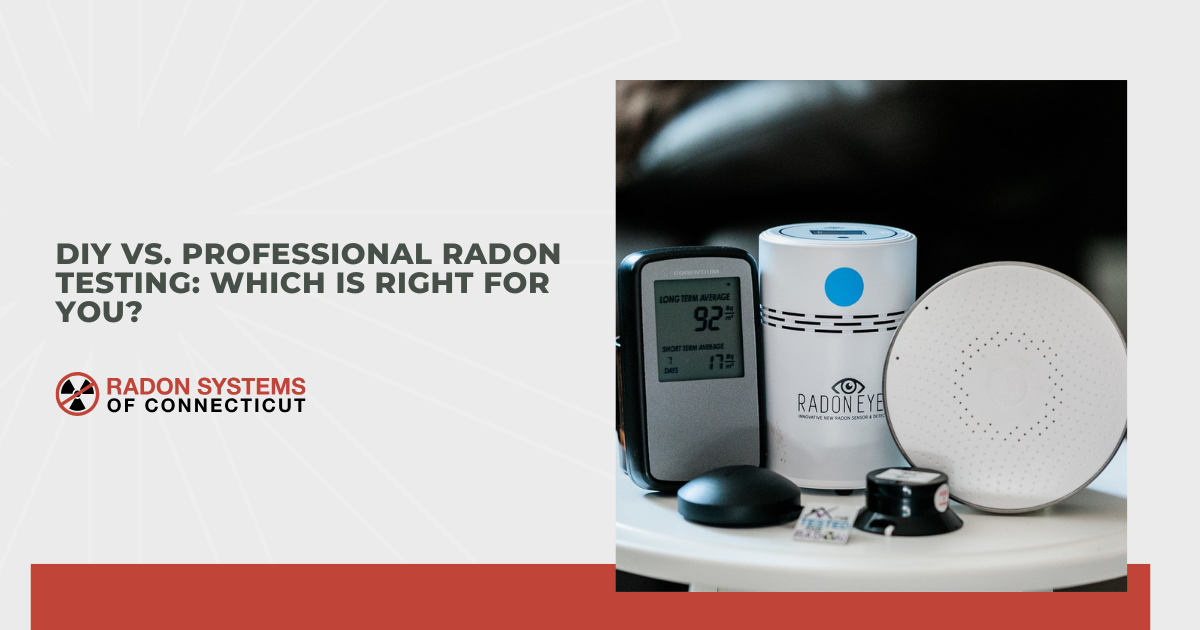
DIY vs. Professional Radon Testing: Which Is Right for You?
By Russell Monges May 14, 2026
Explore the key differences between DIY and professional radon testing in protecting your family, and discover which option is best your needs and budget.
How to Choose the Right Radon Mitigation System for Your Home
By Russell Monges May 14, 2026
Learn how to choose the right radon mitigation system for your home. Compare types, costs, and features to ensure safe indoor air and long-term protection.
Comparing Short-Term and Long-Term Radon Testing
By Russell Monges May 14, 2026
Radon testing is vital to maintain home health and safety. Explore both short- and long-term testing options to decide which one performs best for your needs.
How Radon Testing Can Prevent Long-Term Health Issues
By Russell Monges May 14, 2026
Radon testing is crucial for detecting harmful gas levels and preventing long-term health risks like lung cancer. Learn why every home needs radon testing.
Can Having a Radon System Boost Home Value?
By Russell Monges May 14, 2026
Improve air quality, safeguard your family, and elevate your property’s market value with a radon mitigation system that delivers clean air and long-term safety.
Recognizing the Signs: Why Radon Mitigation Is a Must
By Russell Monges May 14, 2026
Discover how to spot the signs of radon gas in your property. Know when it’s time to call the professionals for a radon mitigation.
Show More